At any given moment there are approximately a zillion different crowdfunding campaigns happening on the Web. Take a stroll through Kickstarter or IndieGoGo and you’ll find there’s no shortage of weird, ambitious, and downright stupid projects out there – far too many for any reasonable person to keep up with. But here at DT we are not reasonable people. We spend an inordinate amount of time poring through crowdfunding sites and product blogs in search of the next Oculus Rift or Pebble Watch, so we’re here to bring you a quick roundup of the best projects that are currently up and running.
Lix Pen — Handheld 3D Drawing Device
 Remember 3Doodler — the world’s first 3D-printing pen that took Kickstarter by storm a little over a year ago? By using a special, quick-hardening filament, it allowed users to draw free-form three-dimensional objects by hand, instead of drawing out designs on a computer and using a printer to bring them to life. The only problem was that, as a drawing tool, 3Doodler was squirrely and imprecise, so a team of UK designers decided to make Lix: a more precise version of the same concept. Just like it’s predecessor, Lix is essentially a handheld extruder that you load with a special ABS or PLA filament, and has two buttons that allow you to control the rate at which the material comes out. This gives users the ability to draw at different speeds, and create lines of varying thickness.
Scio — Mobile Molecular Spectrometer
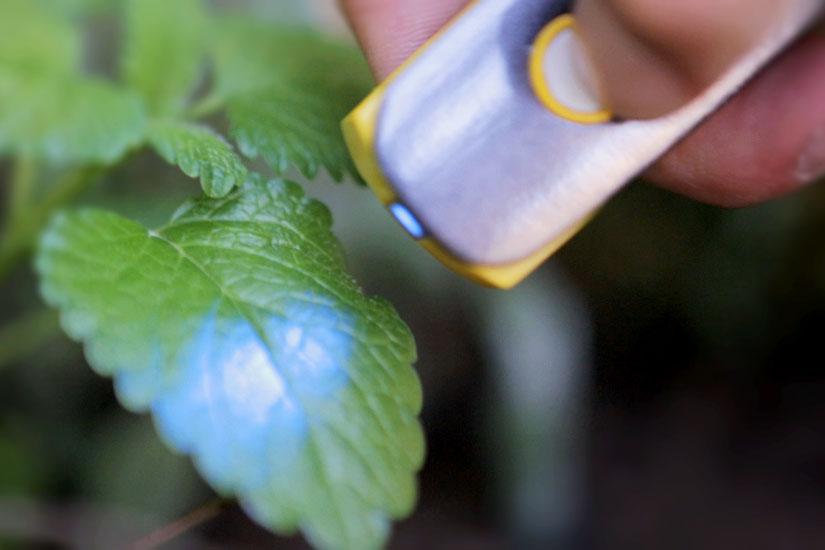 Ever looked at an object and wondered what it’s made up of? Well if Scio ever becomes a reality, you’ll be able to scan scan practically anything –foods, drinks, pills, plants, and more– and get detailed information on the object’s chemical makeup by using a process called molecular spectroscopy. In a nutshell, the device works by shining a near-infrared light onto the surface of a given material, which causes the molecules to vibrate and bounce back light in their own unique way. This reflected light is then collected and passed through a spectrometer (think of it like a prism) that separates the light out into all the different wavelengths it contains. By analyzing the unique optical signature of the scanned material, it’s possible to determine what it’s made out of. Check out our full article here.
Vanhawks Valour — Connected Carbon Fiber Bicycle
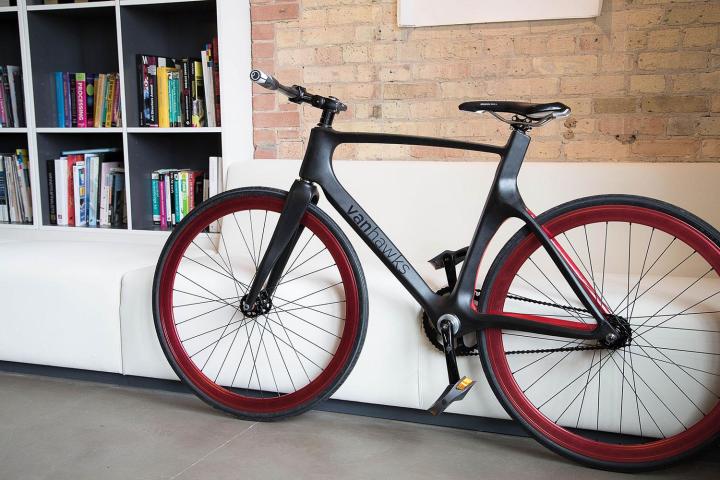
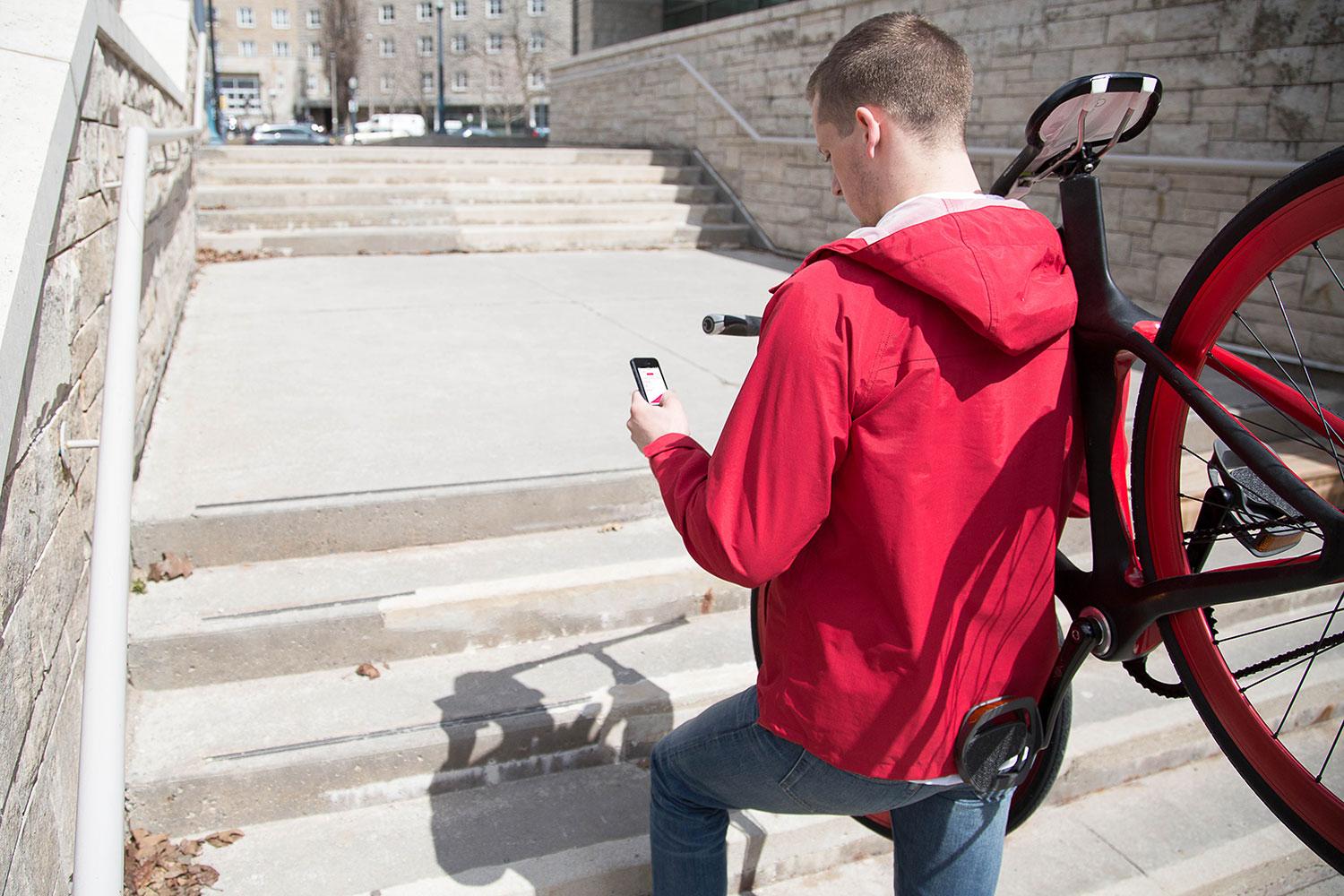 Valour is a smart bike, in every sense of the word. This badboy has more tech under the hood than you’ll know what to do with. First and foremost, it’s got an uber-lightweght carbon fiber frame with specially-engineered interior walls for extra stability and strenght. Second, it links up with your smartphone to give you turn-by-turn directions, which are displayed on your handlebars via an embedded LED array (kinda like this). Third, it’s equipped with special sensors that make it spatially aware. It can sense when there’s something in your blind spot and let you know about it via haptic feedback in the handlebar. It’s a bit on the spendy side as far as Kickstarter projects go, but considering all advanced tech it’s got inside, it’s not really that outlandishly priced.
Fish on Wheels — Fish-Controlled Vehicle
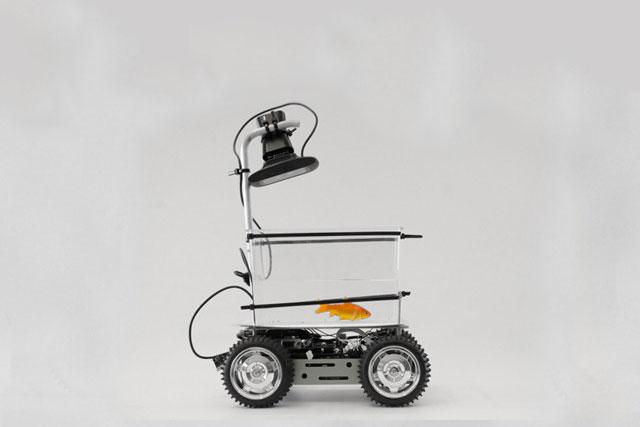 Pet fish have it rough. Instead of swimming freely around in the open ocean, they’re stuck inside a stationary tank, looking at the same boring scenery day after day. But it doesn’t have to be like that — Flippy doesn’t have to be stuck up on your mantle his entire life. Thanks to this awesome Kickstarter project, he can finally drive his tank around like a car. Fish on Wheels is a ridiculous contraption comprised of a camera, a tank, and a set of wheels. The camera tracks the fish using computer vision, and then relays that information to the car’s onboard computer, which then steers the tank in whatever direction Flippy is pointing. Practical? Hell no. Awesome? Absolutely.
Impervious — Invisible Waterproofing Spray for iPhone
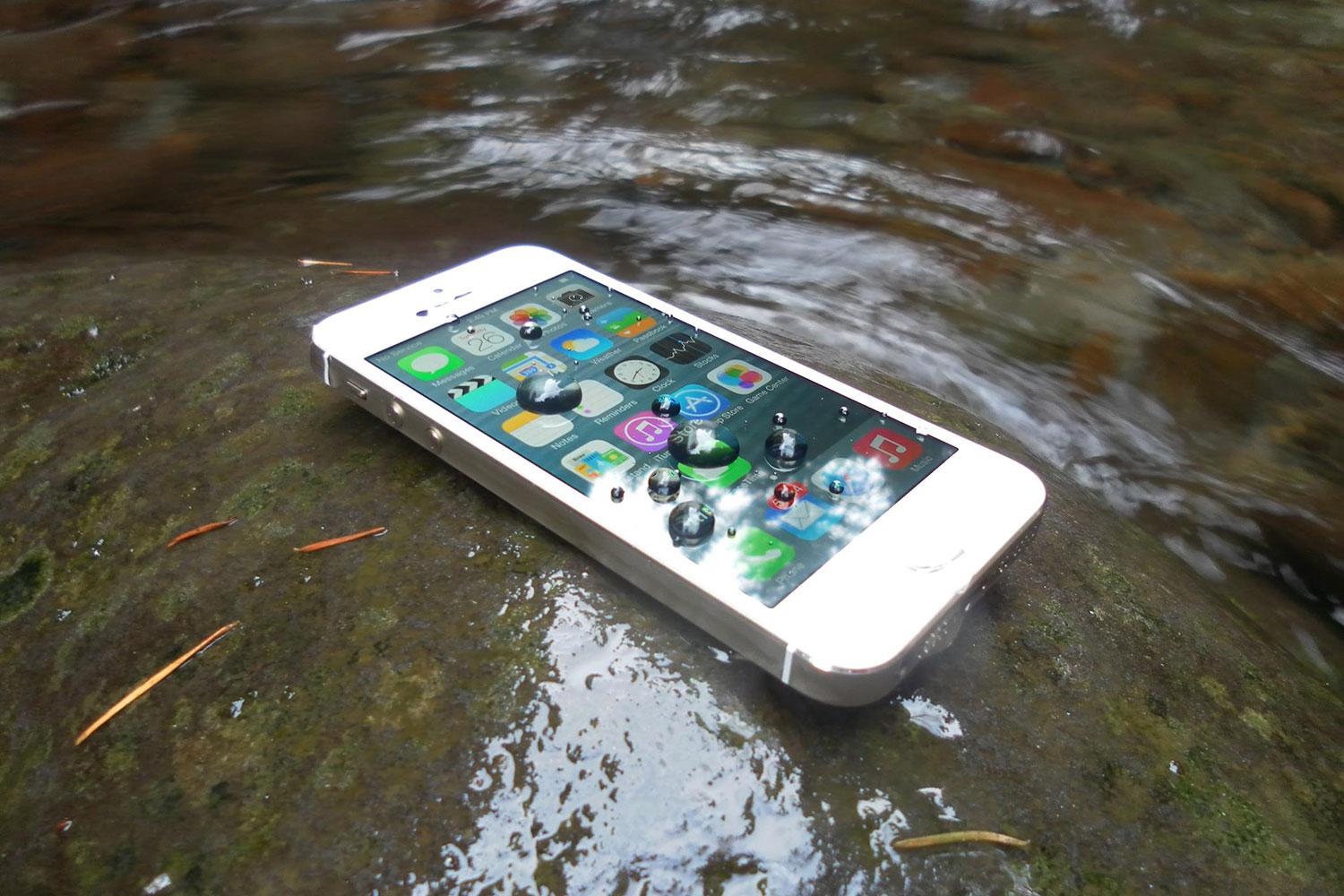 For the past few years consumers like you and I have been promised electronic devices made with hydrophobic nanocoatings that are impervious to water. While there are a few devices on the market that have lived up to that promise, the vast majority are still vulnerable to wayward raindrops, unexpected sprinkler schedules, and accidental dives into the toilet bowl. For this reason, the best route is typically to get yourself a waterproof case, or perhaps even apply an aftermarket waterproofing treatment. The only problem is that most hydrophobic treatments available today leave a thin, opaque residue on your screen, and also aren’t 100 percent reliable. Impervious, on the other hand, is designed to be completely invisible after it dries, and lasts for roughly three years.