  1. Home
  2. Gaming
  3. Legacy Archives

Nintendo 3DS Japanese sales drop 50 percent after price cut

Add as a preferred source on Google
nintendo-3ds-sales-crash
Image used with permission by copyright holder

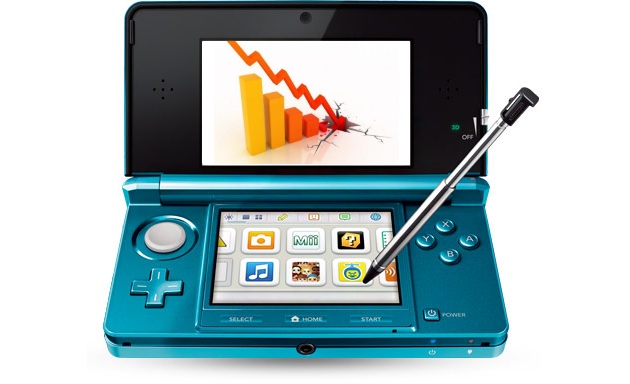
Since Nintendo President Satoru Iwata announced an $80 price cut on the Nintendo 3DS–a handheld gaming system only four months old–he has continually apologized to gamers and promised to give free games to early adopters of the system. We’re beginning to understand why. Japanese sales of the 3DS in the week following the price cut dropped by about 50 percent, from 31,826 to 16,415.

According to Gamasutra, this marks the first time the 3DS has fallen below sales of the Wii and PS3 in Japan. The fall has also corresponded with a small surge in PSP sales. The PSP rose from 26,868 units from July 11-17 to 36,666 units in the July 18-24 time period. Sales of the Nintendo DS seem to remain unaffected by the controversy. The system sold about 10,000 units both weeks. The only 3DS game to make the top 20 for the week was Ocarina of Time 3D

Recommended Videos

So is this sales decline a blip of anger or the start of much bigger problems for the 3DS. One thing’s for certain: people buying 3DS systems are definitely reading the news. 

Below are Japanese hardware sales for July 18-24 (via NeoGAF):

  1. PSP: 36,659 (LW: 26,854)
  2. PS3: 20,704 (LW: 23,343)
  3. Wii: 18,232 (LW: 17,114)
  4. 3DS: 16,415 (LW: 31,826)
  5. DSi LL: 5,267 (LW: 5,258)
  6. DSi:  4,625 (LW: 4,921)
  7. 360 1,616 (LW: 1,546)
  8. PS2 1,594 (LW: 1,475)
  9. DS Lite 138 (LW: 155)
  10. PSP Go 7 (LW: 14)
On a side note, somebody really should stop the 7-14 people buying PSP Go’s each week. They’re only hurting themselves. 
Jeffrey Van Camp
As DT's Deputy Editor, Jeff helps oversee editorial operations at Digital Trends. Previously, he ran the site's…
Virtual taekwondo sounds like a gimmick until it solves the biggest fear of combat sports
The noncontact VR discipline is gaining momentum in Southeast Asia by keeping the athletic grind while reducing the injury risk that scares many people away.
Electronics, Screen, Person

Virtual taekwondo sounds ridiculous in the easiest way. Put on a headset, strap sensors to your body, kick at empty air, and call it a combat sport. Somewhere, Wii Sports is quietly stretching.

Athletes are still kicking, reacting, and gasping through the work. The difference is that the hits land on avatars instead of bodies.

Read more
This VR empathy game could be the start of something much creepier
Rekindle uses face-tracking biometrics to deepen player involvement, but the same idea could eventually shape therapy tools, safety systems, and emotionally responsive interfaces.
VR Headset, Accessories, Goggles

A new VR empathy game called Rekindle turns facial expressions into part of the controls. The game asks players to perform emotions, then watches their faces to see whether those reactions match the scene.

The first-person story centers on memory, identity, and empathy for the LGBTQ+ community. Players move through a dystopian future where sexual identity has been targeted and erased, collecting memory fragments tied to the protagonist’s experience.

Read more
PlayStation’s disc-killing move may have blindsided the very partners keeping its games business alive
Sony’s reported shift away from physical discs allegedly caught publishers, regional teams, and retail partners off guard, turning a gamer ownership fight into a business trust problem.
A PS5 sits on a table with a DualSense standing up next to it.

PlayStation’s reported move away from physical discs already looked bad for players who still care about owning games. Now it sounds messy for the companies expected to sell, support, and build around Sony’s ecosystem.

High Chaos Run reports that Sony’s decision to end physical disc production for PS5, and likely PS6 in 2028, came without warning publishers, business partners, or some regional operations. If accurate, Sony didn’t only create another fight over PlayStation discs. It left parts of its own games business catching up after the decision was already public.

Read more