1. Home
  2. Audio / Video
  3. Legacy Archives

LG Unveils Bevy of HDTVs, Emphasis on Slim and Net-Connected

Add as a preferred source on Google

LG Electronics has unveiled its slate of high-definition television offerings at the Consumer Electronics Show in Las Vegas, and the company’s offerings for 2010 will include no fewer than 39 new HDTVs aimed at virtually every segment of the consumer marketplace. As usual, however, the company’s emphasis is on the high end, particularly the LE9500, which will be the first 3D-capable HDTV LG offers in the United States and features a Magic Wand remote with minimal buttons and motion sensing technology to bring a “Wii-like” experience to using the television. Plus, the LE9500—and a large number of LG’s other HDTV offerings—will feature wireless connectivity (via a user’s home broadband connection) to NetCast online services, enabling them to tap into everything from Netflix to Vudu to YouTube to Napster to Skype from their televisions.

“We’re removing barriers to entertainment with very slim LED LCD TVs that couple wireless connectivity with the most access to online content,” said LG Electronics USA senior VP Peter Reiner, in a statement. “With seamless connectivity and limitless content, LG Infinia is resetting the standards for design and entertainment.”
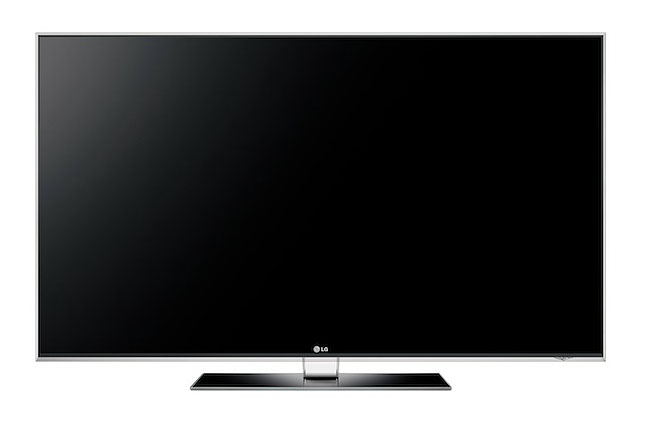
LG Infinia LE9500 (CES 2010)
Image used with permission by copyright holder

LGs Infinia line will have three series—the LE9500, LE9500, and LE7500—dominated by 47- and 55-inch sets. At the top end, the LE9500 will feature a 480Hz refresh rate, LED backlighting with local dimming for improved picture quality and contrast, and a cabinet that’s just 0.92 inches thick. The LE9500 and LE8500 have also earned THX Display Certification—LG claims to be the only HDTV manufacturer to have pulled that off thanks to its “Full LED Slim” backlighting technology.

Recommended Videos

Several of LG’s HDTV offerings will incorporate NetCast connectivity, which can latch onto a user’s existing home broadband connection wirelessly (or using a separate USB wireless adapter. The sets use DLNA technology for calling into DLNA devices like home media servers for accessing media, photos, and music from (say) NAS devices or computers on the network, but NetCast enables customers to reach out to services like Netflix, Vudu, YouTube, Napster, and (now) Skype—although users will need a separate camera and probably a headset to use Skype effectively. The sets can also tap into Yahoo Widgets for things like news, weather, TV listings, and more.

What’s missing from LG’s blitz at CES? Availability and pricing information: the company is being mum about when its new HDTVs might be available in North America, or what they might cost.

Geoff Duncan
Former Contributor
Geoff Duncan writes, programs, edits, plays music, and delights in making software misbehave. He's probably the only member…
Topics
I desperately want a new classic Walkman, but Sony probably can’t give me one
Tech minimalism is begging for a new Walkman. Though rebuilding it may be close to impossible
Sony Walkman WM2011

Every few months, another piece of tech that seems obsolete crawls out of a drawer and becomes cool again. The age of minimalism has revived the popularity of iPods among younger buyers. Dumbphones have become an escape hatch from endless notifications. Similarly, digital cameras are dangling from bags again. Physical media keeps attracting people who want something they can actually hold instead of another frustrating subscription.

All of this makes it the perfect time for Sony to bring back the classic Walkman, which was a phenomenon during the 80s and 90s. I would love one. Give me a compact cassette player, physical buttons, and wired headphones. Keep the apps, notifications, and algorithms that shape your taste of music. No more AI assistants or personalzied feeds, just you and your Walkman. There is only one problem though. Recreating the Walkman that people love and remember, would be far harder than putting an old design back into production.

Read more
Proton reveals how smart TVs track you and the escape situation is pretty grim 
Modern smart TVs fingerprint your screen content at the chipset level.
Google TV applications on the Sony A95K TV.

Your smart TV may know far more about your viewing habits than you realize, even if you rarely use its smart features. In a new privacy explainer, Proton warns that many modern TVs quietly collect data about everything displayed on the screen and share it with manufacturers, advertisers, and analytics companies.

The worrying part is that escaping this tracking is becoming increasingly difficult because many privacy controls are buried deep in settings or enabled by default. Proton argues that buying a smart TV today often means accepting a level of surveillance that most people never knowingly signed up for.

Read more
LG is cracking down on smart TV apps that quietly turn your TV into a secret proxy
LG OLED Settings

If you own an LG smart TV, there's a chance one of your harmless-looking apps has been moonlighting as an internet relay for someone else's traffic. According to a report from KrebsOnSecurity, LG says it's finally stepping in to stop this menace. This week, the company confirmed it plans to suspend any webOS app that turns a TV into what's called a residential proxy node.

The move follows a report from security firm Spur, which found that more than 42 percent of apps on LG's webOS store include SDKs that quietly reroute internet traffic through your TV, indefinitely. Samsung isn't spared either, with over a quarter of Tizen apps carrying similar code.

Read more