Ah, Black Friday. The annual event where folks gather around their laptops and phones and go in search of the best Black Friday deals on, well, just about everything. This year, you can expect plenty of great discounts, including Black Friday Apple deals and Black Friday AirPods deals, including Apple’s uber-premium AirPods Max. Wondering if retailers are already offering AirPods Max discounts?
- View AirPods Max Black Friday deals at Amazon
- View AirPods Max Black Friday deals at Best Buy
- View AirPods Max Black Friday deals at Walmart
Black Friday is the best time to buy AirPods Max — but shop early deals
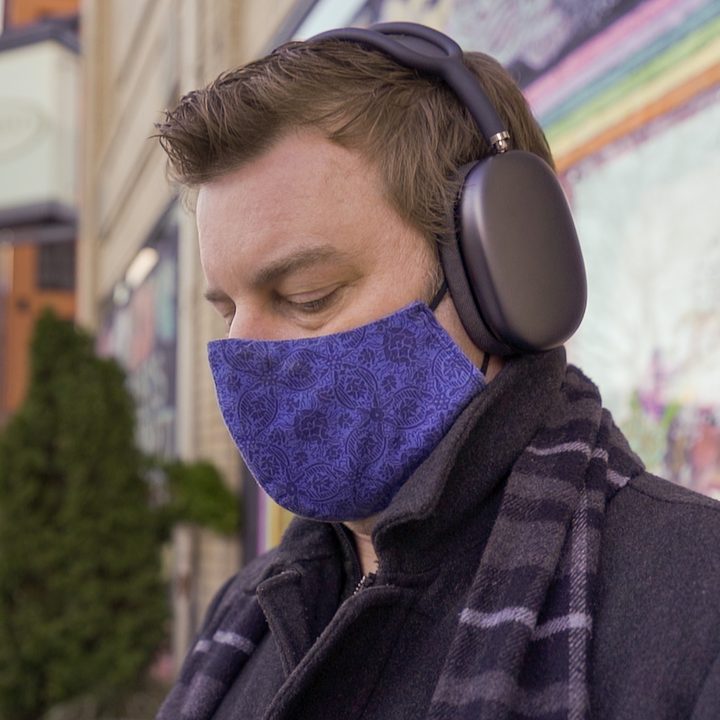
Yes, Black Friday is indeed a great time to look for deals on the AirPods Max. These beautifully designed and built wireless headphones come with an equally high regular price of $549, putting them out of reach for a lot of folks. And while Apple products — especially ones as new as the AirPods Max — rarely see massive price drops, you can still expect to get a nice reduction on the cost of these noise-canceling headphones.
Since their introduction early in 2021, we’ve seen prices go as low as $449 on Amazon — $100 off the regular price — and routine discounts that take these headphones down to $480. If you want a set of AirPods Max to give as a gift this holiday season, we strongly recommend you start shopping right now.
Because of ongoing supply chain problems involving microchip shortages and massive shipping delays, this year will be very different than 2020. If you see an item in stock and ready to ship today, that same item could easily become back-ordered tomorrow. If you’re concerned that deeper discounts will become available toward the end of November, consider taking advantage of Black Friday price guarantees. In most cases, these policies will protect you against further price drops by refunding you the difference if they happen.
Why buy AirPods Max?

Apple’s AirPods Max are undeniably expensive, especially when you compare them to top-rated models like the Sony WH-1000XM4 and the Bose Noise Cancelling Headphones 700. But you also get a lot for your money, like the precision-crafted spring-loaded mechanism that lets the earcups twist and flex to fit your head, yet doesn’t use a single visible hinge. The earcups themselves are clad entirely in soft-touch aluminum, and the plush ear cushions are held in place by magnets, letting you quickly and easily swap them out if they become damaged.
The AirPods Max are heavier than most noise-canceling headphones, but their unique stretch-mesh headband does such a good job of distributing that weight, they’re as comfy as much lighter cans. As with all of Apple’s AirPods, connecting them to your iPhone is as simple as one tap, and you can quickly jump back and forth between all of your Apple devices without needing to unpair and re-pair the headphones each time. Noise cancellation is excellent, but it’s their transparency feature that really impresses us. Just like the AirPods Pro, when you switch it on, it’s like you’re not wearing anything at all. Apple routinely invokes the word “magical” when describing its products, but transparency on the AirPods Max is legitimately awesome, and yes, a bit magical.
Also magical is their head-tracking spatial audio feature, which, when used with an iPhone or Apple TV 4K, transforms a 5.1, 7.1, or Dolby Atmos soundtrack into a virtual home theater. You will repeatedly remove the cans from your head, convinced that there must be speakers hidden all around your room. Sound quality is also top-notch, despite the absence of any EQ adjustments. Apple’s adaptive EQ attempts to take that burden away from you when you’re not using active noise cancellation (ANC) or transparency. About the only thing we don’t love about the AirPods Pro is its protective case. It doesn’t really protect them as much as a proper zippered carry case would, and yet you can’t really go without it — the headphones stay powered on until you place them back in the case.