1. Home
  2. Smart Home
  3. Emerging Tech
  4. Mobile
  5. Photo Galleries
  6. News

Turn fish feces into food with this aquarium-top garden you track on your phone

Add as a preferred source on Google

Excuses not to have a garden are getting harder and harder to come by as technology improves. After all, gone are the days of laboring over the land to grow plants; now, we can put our green thumbs to use in our very own homes, even if our requirements call for cutting out the use of soil or creating a vertical garden to save space.

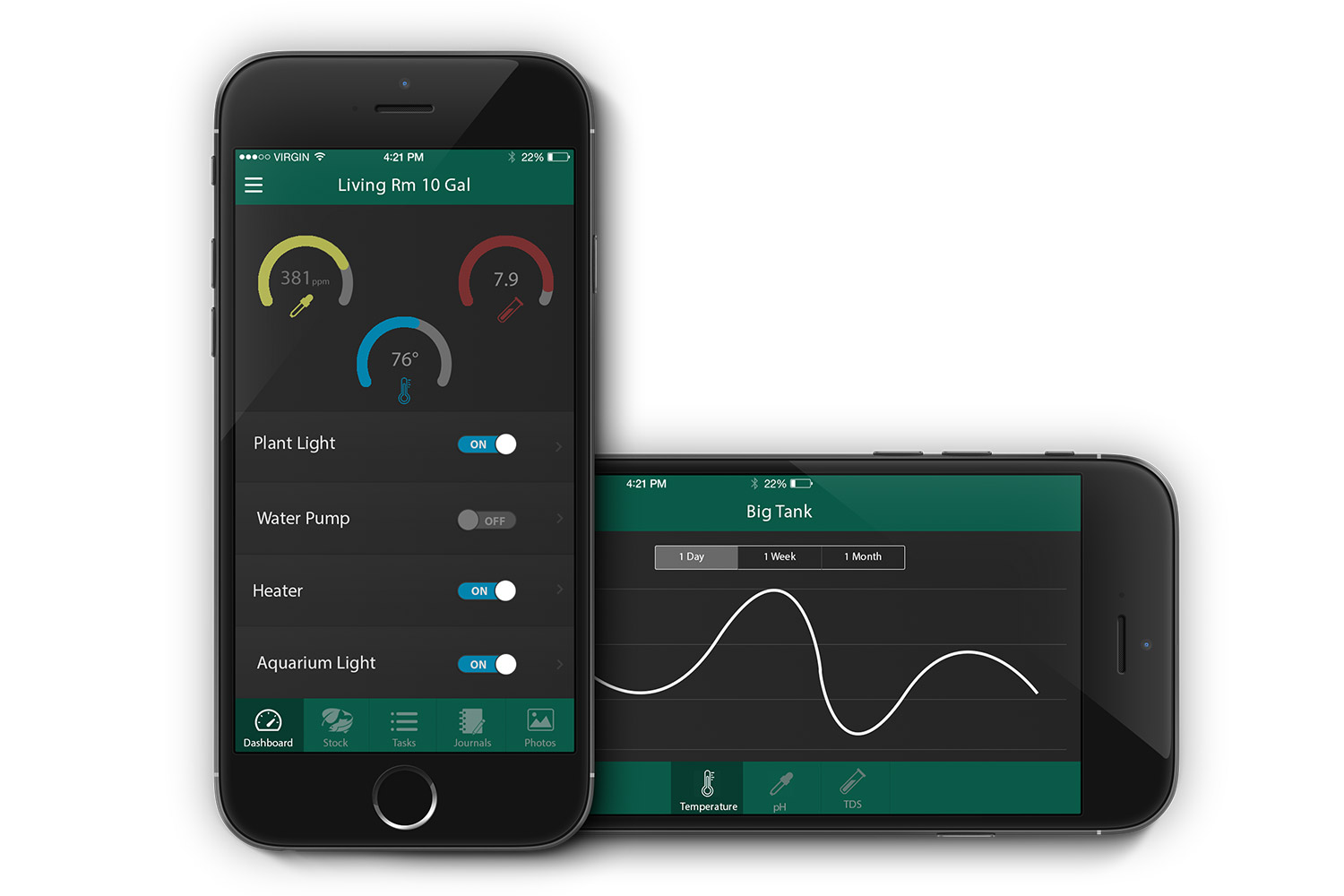
For those who like to maximize the function of their home decor, InnoGro has introduced a new smart garden that is designed to be mounted on top of a 10-gallon freshwater aquarium. The aquaponic garden is able to use fish waste to nourish its plants, including herbs and veggies, which can be grown indoors year-round. InnoGro Garden also works with a mobile app, plus built-in sensors and automated equipment, that make the growing process extremely simple for those without gardening experience.
InnoGro-Connected-AquaGarden-iPhone6-Dash-&-Graph
Image used with permission by copyright holder

The app’s pre-configured settings are instrumental in caring for the tank’s fish and the garden’s plants. Users can select their plants and fish in a database, and then the InnoGro Garden provides updates as needed, including customizable alerts. Data analysis can also be found, and the app provides users with journal-making features if they wish to make notes about the process or write tips for future use.

“What we want to do is allow everyone to grow their own healthy food right at home without having to go through the extensive learning curve, giving up an entire room to plants, or committing to high-maintenance routines,” says InnoGro founder Mike Brawner in a press release.

Users aren’t able to get their hands on the InnoGro Garden yet, but the company will launch a Kickstarter in March. For an early-bird pledge of $379, backers will be able to order the product, which will later retail for $549.

Stephanie Topacio Long
Stephanie Topacio Long is a writer and editor whose writing interests range from business to books. She also contributes to…
My smart home experiment has reached its natural limit
Smart-home technology keeps improving, but being easier to automate doesn’t make everything worth automating
Computer, Electronics, Laptop, Smart Home

The first device I added to my smart home was a light bulb. It seemed like the safest possible place to start. I could turn it on from anywhere, put it on a schedule, and eventually work it into routines with everything else.

Then I tapped the button in the app and waited. The delay was only about half a second, but half a second is surprisingly noticeable when the alternative is a wall switch that responds immediately and has never once asked for a firmware update. Using my phone was worse. I had to unlock it, find the app, open the right room, and tap the light I could have switched on several steps earlier.

Read more
Google Home’s Interactive Storytime feature has me wondering who actually asked for this
Google Home gets interactive AI storytime, smarter alarms, and broader camera support.
Computer, Electronics, Tablet Computer

Google Home's latest update introduces several new features, including Gemini-powered Interactive Storytime. While I’m not sure who asked for the feature, it lets families build original stories about specific topics on the fly, instead of just listening to a known story. 

So what's the big new feature here?

Read more
Proxima wants to move blood tests into the home, and it has cleared an important early hurdle
The portable analyzer delivers blood-count results in about 20 minutes, but its promise depends on transparent clinical data
Furniture, Table, Desk

Algocyte’s Proxima is designed to run blood-count tests from a small finger-prick sample and send the results to a clinician in about 20 minutes. For patients who need frequent monitoring, that could mean fewer trips to a clinic or laboratory.

The device has also moved beyond the concept stage. Proxima carries UK conformity credentials, while Algocyte operates under a certified medical-device quality system. Those steps give the project more weight than a prototype shown at a launch event.

Read more