1. Home
  2. Smart Home
  3. News

A software bug caused Nest users to wake up to drained batteries, chilly homes

Add as a preferred source on Google

In September of last year, Nest’s Learning Thermostats and Dropcams had two outages in a week, which meant users couldn’t remotely change the temperatures at their house or check on children via the video feed. Last week, many users woke up to downright chilly homes when a glitch drained thermostats’ batteries all over the country.

“Woke this morning to a dark Nest. Had to plug it into the computer long enough so I could use it manually. The battery was completely drained…” wrote one user on Nest’s community forums. “During the winter, this isn’t a good thing. This means we have no heat.”

Recommended Videos

Google-owned Nest acknowledged the problem and started working on a fix, which currently works for 99.5 percent of those affected. The cause was apparently a December update that caused the glitch in early January. “We had a bug that was introduced in the software update that didn’t show up for about two weeks,” Matt Rogers, the co-founder and vice president for engineering at Nest, told The New York Times.

The fix involves removing the device and charging it with a USB cable for about an hour, as well as pressing a series of buttons. Maybe not too difficult if you wake up with chilly toes, but many Nest users rely on the Wi-Fi-enabled thermostat to keep the temperature consistent in second homes that likely aren’t just down the street.

In addition to the issues Nest had with its thermostat last year, its Protect smoke alarms have also had some problems. In April 2014, Nest temporarily pulled the device from shelves because a software flaw had the potential to cause it to “sleep” (the function you use to silence during a false alarm) during an actual emergency.

Jenny McGrath
Former Senior Writer, Home
Jenny McGrath is a senior writer at Digital Trends covering the intersection of tech and the arts and the environment. Before…
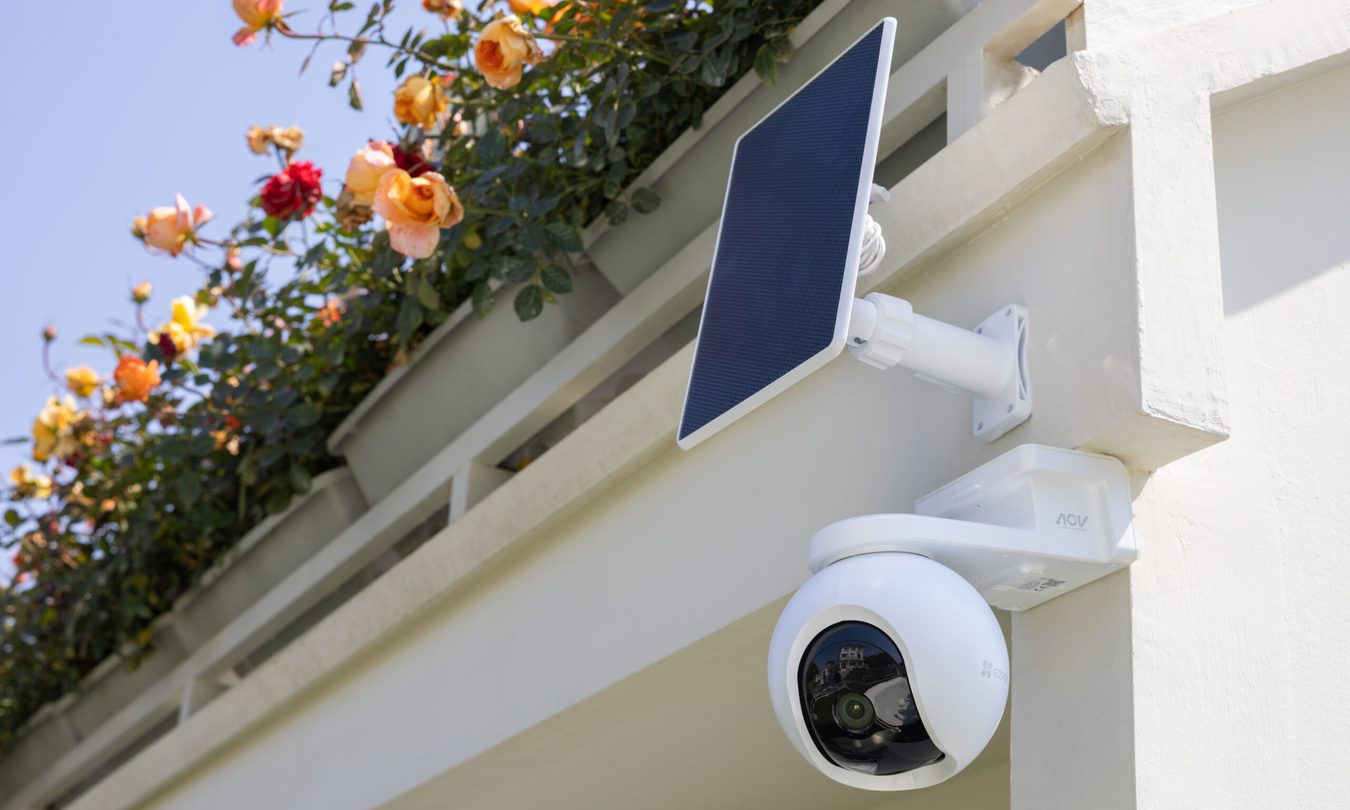
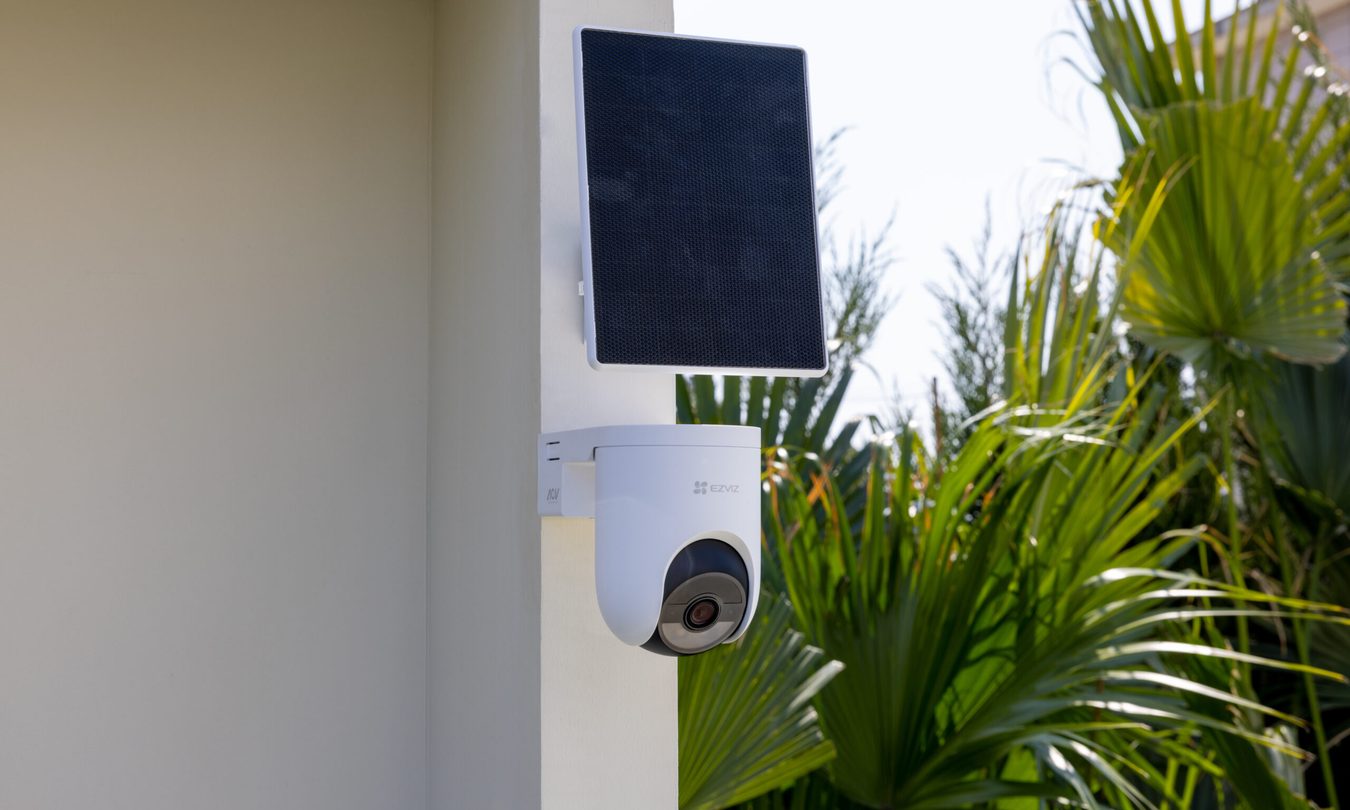
Why Your Next Outdoor Security Camera Might Need Three Lenses
EZVIZ Puts Triple-Lens Outdoor Security in the Spotlight at IFA 2026
camera, security camera

Monitoring a home often means watching several things at once. Just as a car pulls into the driveway, a visitor might approach the front gate, or movement could catch your eye in the side garden. For many European homes, this is a familiar scenario.

The challenge becomes even more noticeable when a property includes a backyard, detached garage, or swimming pool. Installing another camera for every angle is one solution, but it also means more devices to set up, manage, and maintain.

Read more
I played with Yarbo’s yard robot at IFA, and now I want one for every season
One tracked robot, a new job for every season
Yarbo M-series Featured 2

I’ll admit, I wasn’t expecting a yard robot to be one of the more entertaining things I’d get my hands on at IFA 2026. Then I walked over to Yarbo’s booth and started playing around with the M Series.

The basic idea is wonderfully simple: instead of buying a different robot for every outdoor chore, Yarbo gives you one tracked robotic Core and a collection of attachments. Swap the module, and suddenly your robot has a completely different job. Mowing? Yep. Snow? Yep. Leaves? Yep. And there’s even a trimmer module on the way.

Read more
WindGroove’s AirFi One imagines a smarter home with fewer devices
The future of smart homes may not be more devices, but better-designed experiences
Architecture, Building, Furniture

The future of smart homes may not be more devices, but better-designed experiences

Minimalism has reshaped almost every corner of the modern home. Kitchens hide appliances behind seamless cabinetry, televisions have become slimmer and more discreet, and storage is increasingly designed to disappear into the architecture. The goal isn’t simply to own better things. It’s to create spaces that feel calmer, cleaner, and more intentional. Smart home technology, however, has largely moved in the opposite direction. Every upgrade seems to introduce another speaker, another controller, another light, or another connected device competing for space and attention.

Read more