The Oura Ring 4 is rapidly becoming the center piece of your efforts to lead a healthier life, and the introduction of two new features designed to improve metabolic health back this up. The app now has an AI-powered food tracking feature called Meals, and integration with the Dexcom Stelo, the first glucose monitor available in the U.S. with Food and Drug Administration (FDA) approval and without a prescription.
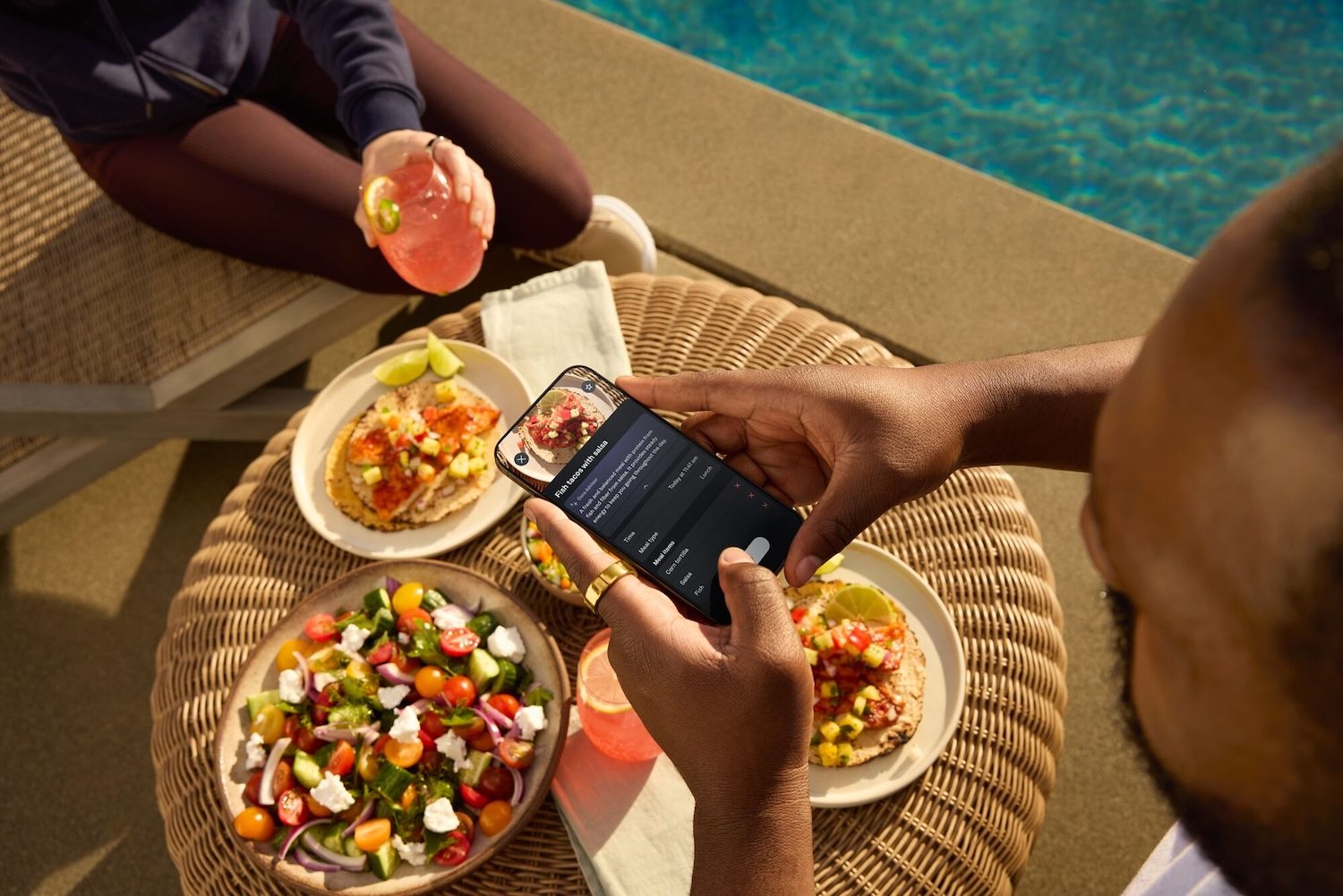
The Meals feature has been part of Oura Labs, the brand’s space for beta testing features, for a while and has now been elevated to become a permanent fixture in the app. It’s a more advanced, less calorie-focused way of tracking your meals, which provides more information on how food may be affecting your health and wellbeing. It works by analyzing a photo of your meal, and examines the key nutritional elements within, before providing guidance on how to meet your goals.
Crucially, Oura emphasizes how Meals won’t penalize your food choices, and won’t judge based on what it “sees” in the photo. Like Oura’s decision to optionally minimize calorie burn as a goal, the focus on making better food choices through less aggressive methods to meet the personal goals specified in the app should help more people try the feature out.
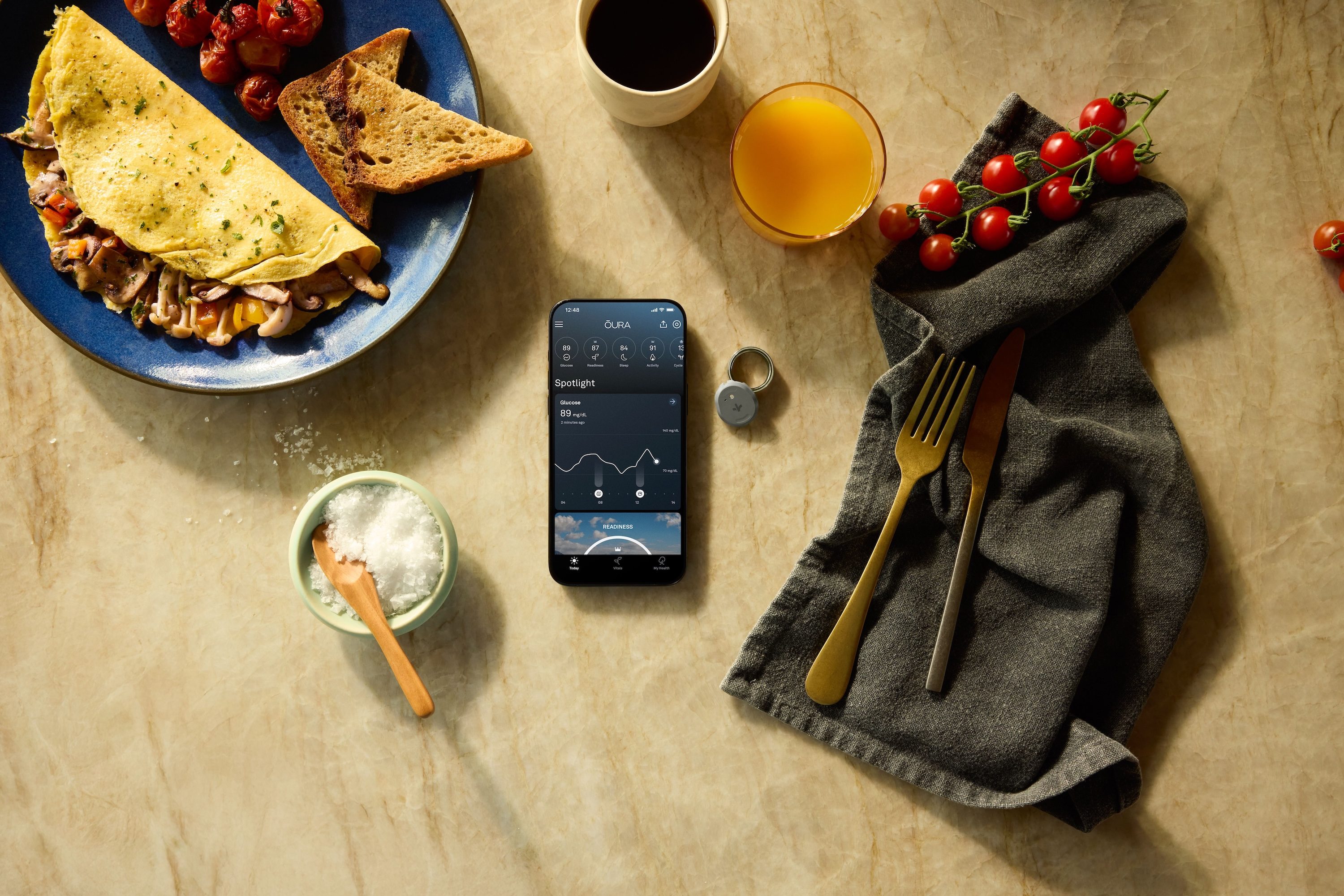
The data from the Meals feature works with the integration of Dexcom’s Stelo wearable to give Oura wearers greater insight into their metabolic health. Stelo is used worn on your upper arm and provides data on glucose levels, which is then integrated into the Oura Ring app. Dexcom’s chief operating officer Jake Leach explains why it’s a great pairing:
“Personalized guidance and insights are essential for helping people understand how their lifestyle choices affect their body, while also encouraging them to make informed health decisions that can improve their overall quality of life. By integrating with Oura, we’re bringing the first glucose biosensor and smart ring integration to the market, providing a one-of-a-kind and personalized metabolic health experience that allows users to better understand the link between activity, sleep, stress, nutrition, and their glucose.”

Oura’s vice president of science Shyamal Patel continued:
“Meal-induced glucose spikes can vary significantly due to factors like sleep, stress, exercise, and meal timing, which is why it’s important to approach metabolic health holistically rather than focusing exclusively on diet. Instead of avoiding specific foods based on one spike, we encourage members to observe patterns, experiment with habits, and discover what helps them maintain better glucose balance over time. With this approach, members can maintain a healthy relationship with food while building long-term habits that support metabolic health.”
Both the Meals and Glucose features are available in the Oura Ring app in the U.S. now, with Meals expected to launch internationally later in 2025. Dexcom’s Stelo wearable is only available in the U.S. and will be available through Oura’s website for $99, and can be purchased with an Oura Ring as a bundle. However, this only provides Stelo biosensors for a single month of tracking, and it costs a further $99 every month afterwards. This is on top of the Oura Ring’s $6 per month subscription to view most of the data in its app.