Have you ever noticed your heart racing or felt like your heart skipped a beat? There are many plausible reasons this can happen, but one of the most common is the occurrence of ectopic beats.
An ectopic heartbeat is when your heart beats too soon, and it’s extremely common. Like many intermittent health symptoms, it may not appear when you’re at the doctor’s office, which makes diagnosing it much harder.
Thankfully, there’s a new way, and it’s a world first. Last week at Galaxy Unpacked in New York City, I was invited to a panel with a handful of other reporters to learn more about the new Galaxy Watch 8 series, which was announced alongside the Galaxy Z Fold 7 and Galaxy Z Flip 7.
During this panel, Samsung also announced that the Galaxy Watch 8 is the first smartwatch to detect an ectopic heartbeat. Here’s how it works and why it’s so important.
What is an ectopic heartbeat?
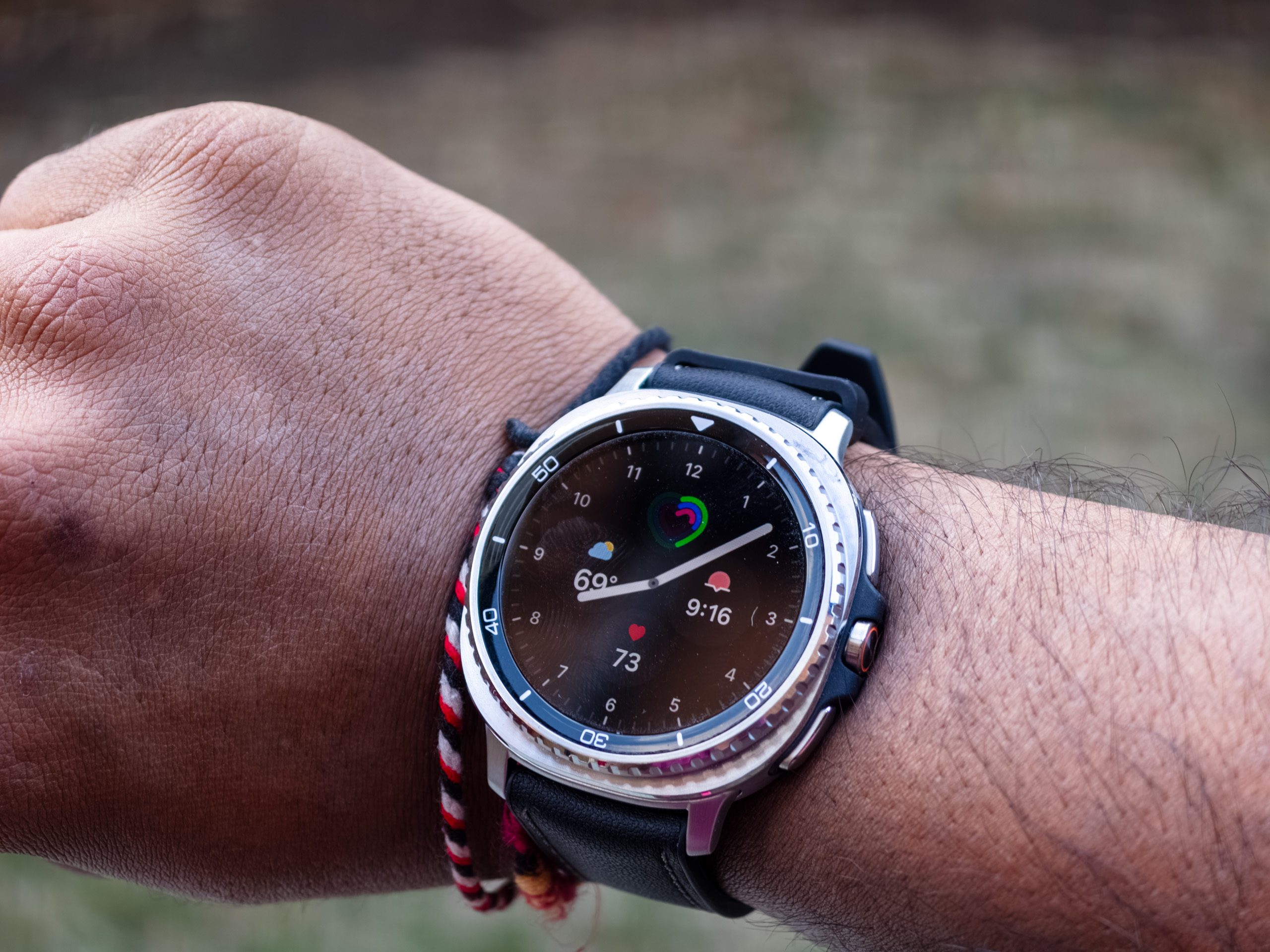
You’ve probably noticed an ectopic heartbeat, even if you didn’t know it was called that. It’s an extra or premature heartbeat that can cause a fluttering or pounding sensation in the chest, dizziness or lightheadedness, or a brief shortness of breath.
It sounds fairly serious, but almost everyone will experience an ectopic heartbeat during their lifetime. It’s a natural part of the heart’s rhythm, and you will likely have seen it displayed on an ECG graph if you’ve run one.
Lifestyle factors such as stress, caffeine, nicotine, alcohol, some medications, lack of sleep, or hormonal changes can all impact ectopic beats. Still, given its prevalence, it’s not a concern for most people. However, if you have underlying conditions, it can be a cause for concern or something to watch for.
An exciting development for wearables
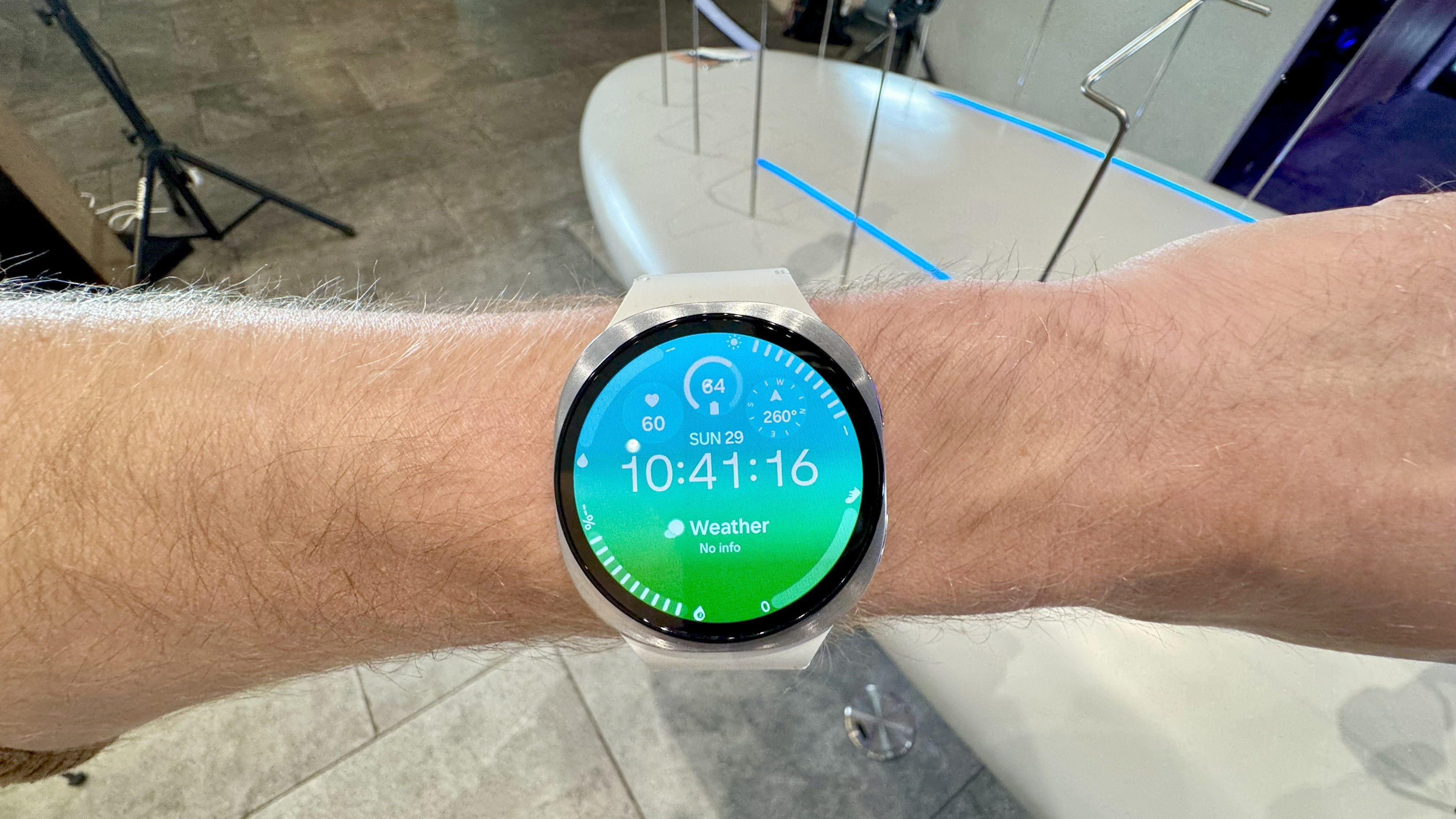
If you experience ectopic beats frequently, that’s when it can become more serious. The chances of having an ectopic heartbeat while being measured for it in a doctor’s office are slim to none. However, the ability to test for it automatically from your wrist? That’s far more useful for both doctors and patients alike.
The Galaxy Watch 8 measures for an ectopic heartbeat as part of its ECG feature. A 30-second single-lead ECG can be run directly from the Galaxy Watch 8 or the Galaxy Watch 8 Classic, and it adds an ectopic heartbeat as one of the determinations under the Inconclusive category.
The addition of the ectopic heartbeat as a listed response sets the Galaxy Watch 8 apart from the competition, like the Apple Watch Series 10 and Pixel Watch 3. Both of these rival wearables capture ECGs — and you can detect an ectopic heartbeat in the ECG results — but neither directly lists the ectopic heartbeat as a result.

I’ve never been diagnosed with an ectopic heartbeat. Still, I’ve had a heart attack before, which puts me at risk, as cardiac disease is listed as a high-risk medical condition. I would never have thought to look for an ectopic heartbeat before, so it’s particularly useful that I know the Galaxy Watch 8 can detect it, and specifically call it out.
It also affects my colleague Gareth Beavis, who has experienced an increase in unusual heartbeats, especially when tired or recovering from strenuous exercise. He said that while he doesn’t receive many of the heartbeat notifications from rival devices, this feature on the Galaxy Watch 8 would be useful in helping determine whether it’s worth worrying about.
The Galaxy Watch 8 has plenty of new features
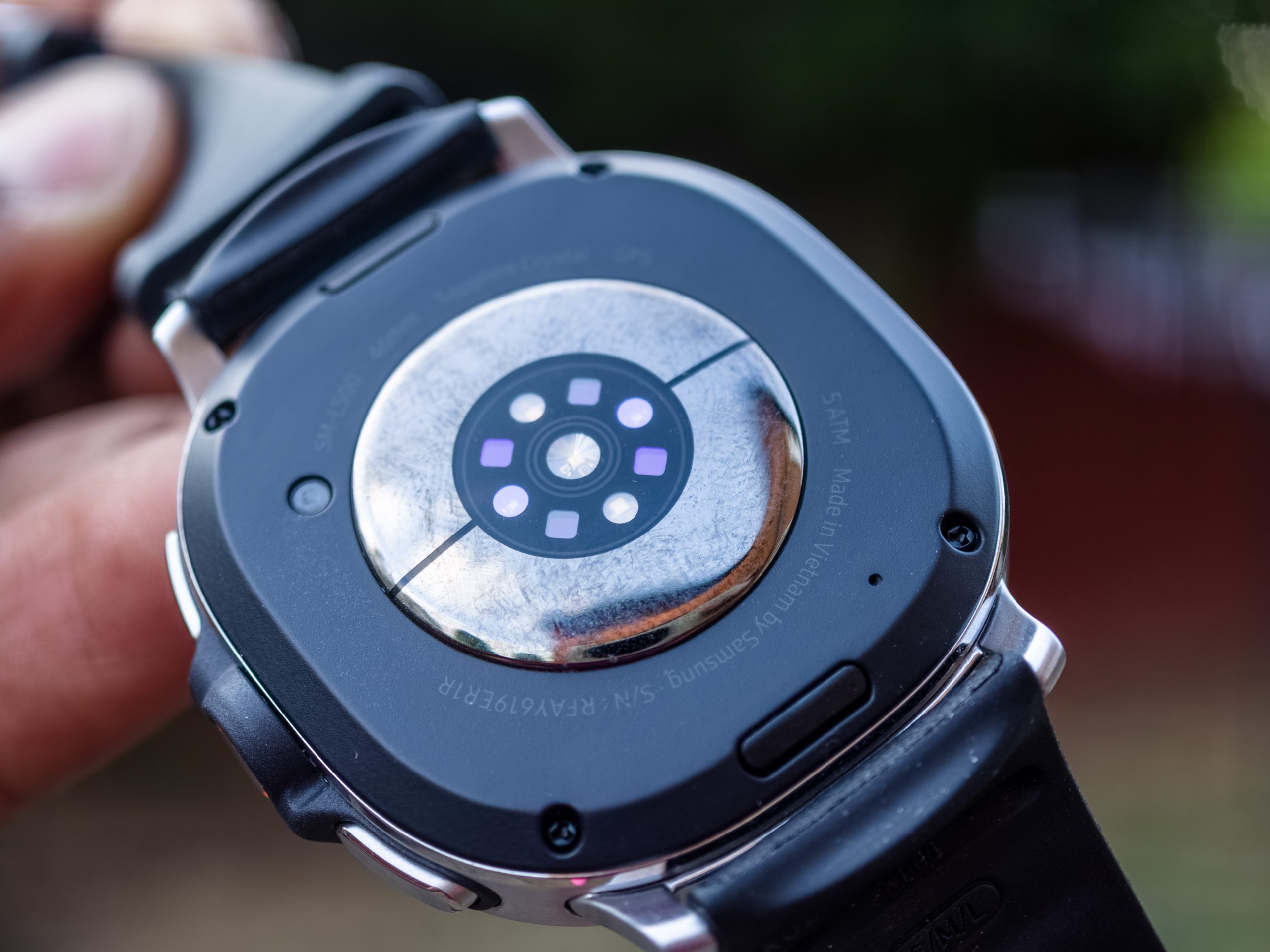
It’s not the only new Galaxy Watch 8 feature, representing a significant update to Samsung’s wearable lineup. This feature wasn’t even mentioned during the main keynote, as the other key new features will also improve your life and could make it one of the best smartwatches.
First, there’s the new antioxidant feature, which uses a combination of the new yellow, blue, violet, and IER LEDs to detect carotenoids in your skin. It’s a key biomarker of your antioxidant level, which are molecules that help protect the body from damage caused by unstable molecules that can lead to disease in excessive concentrations.
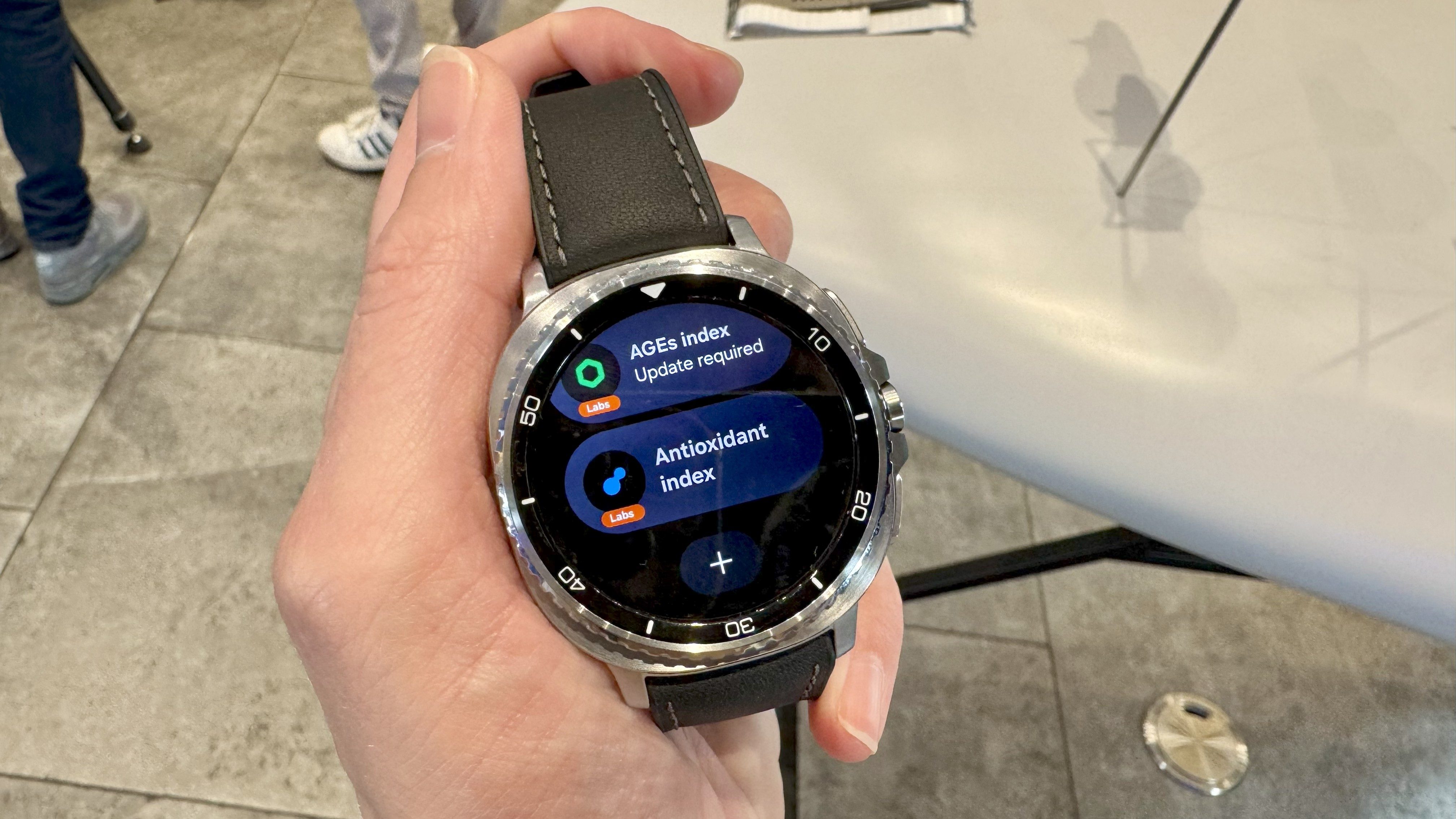
There are many different types of carotenoids, but the Galaxy Watch 8 is designed to test a small range of these. Yet, as the first smartwatch to do so, it has me excited for a potential future where we can test far more from the skin.
Then there’s the new vascular load monitoring during your sleep. My heart attack occurred while I was asleep, and many vascular symptoms present themselves while the body is at rest.
Companies have recently added more heart monitoring features specifically for while asleep, and Samsung’s new feature is designed to estimate the stress on your vascular system while you’re sleeping. It’s a feature that I hope I never need, but I will be grateful if I do.