1. Home
  2. Phones
  3. Cars
  4. Mobile
  5. News

Uber seeks to be a ‘one-stop shop for transportation’ with new app feature

Add as a preferred source on Google

Uber wants its service to be the one you think of when you need to move around a city. But it doesn’t expect you to use only its ridesharing service. In fact, it knows you might sometimes want to use public transit, too, so it’s changing its app in a bid to become a “one-stop shop for transportation.”

Besides the car-based service on which it made its name, Uber has also been making investments in the world of bike- and scootersharing. Broadening its scope further, Uber has just announced its first-ever integration with public transit, adding information for routes and times to its app, starting in Denver, Colorado.

Recommended Videos

The company has hooked up with Denver’s Regional Transportation District (RTD) to make it happen, with the bus and train information being provided by transit data company Moovit. It means Uber riders in Denver can now plan their journey using real-time information and end-to-end directions — all from the Uber app.

The presentation isn’t so different to what you get with Google Maps and Apple Maps. When you enter your destination, you’ll see “Transit” next to UberX or Uber Pool options. Once selected, you’ll be able to view available transit routes for your destination, along with real-time departure and arrival times. You’ll also see walking directions to and from the transit stations, and an added bonus is that riders will soon be able to buy and use RTD tickets through the app.

It might seem odd that Uber is helping folks with information for buses and trains, but part of the idea is to make it easier for those who want to start or finish a journey in an Uber while using public transit in between. It should also result in people jumping into the Uber app more, steering them clear of rival services.

As for RTD, it’s well aware that Uber is a popular option for riders and so it hopes that the move to add its own services to the company’s app will make life that little bit easier for residents and visitors who might want to use both services to get around.

David Genova, RTD’s CEO, puts it like this: “Our customers want their trips to be as seamless as possible, and a collaboration like this one allows them to plan for travel from end to end, including additional first mile and last mile options. RTD is pleased to work with Uber as we present riders with additional, complementary options to most efficiently reach their destination.”

As for Uber, its CEO, Dara Khosrowshahi, has already made it clear how he wants the company to become an “urban mobility platform” that integrates a range of transportation services.

If the Denver program works out, expect to see public transit information landing on the Uber app for other cities before too long.

Trevor Mogg
Contributing Editor
Not so many moons ago, Trevor moved from one tea-loving island nation that drives on the left (Britain) to another (Japan)…
Qualcomm confirms incoming price hike, and rising memory cost isn’t the only driving factor
CEO Cristiano Amon says the increase, effective September 1, is meant to offset broader supply chain costs, including wafer fabrication, packaging, and testing.
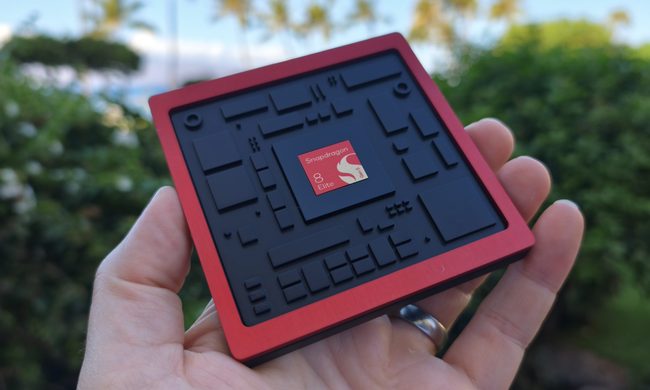
The new Qualcomm Snadragon 8 Elite Gen 5

If you were hoping your next Android phone might come with a friendlier price tag, you may want to temper your expectations. Qualcomm just confirmed it's raising chip prices starting September 1, and CEO Cristiano Amon didn't dress up the reason. "Cost went up, prices are going to go up," he told CNBC. Qualcomm chips power a huge share of the world's Android phones, so a hike at the source is likely to reach store shelves eventually.

Rising costs go beyond memory

Read more
Galaxy Z Fold 8 Ultra: Everything we know
Though it will feature improvements across the board, the memory crisis might not spare Samsung’s Fold 8 Ultra.
Samsung Galaxy Z Fold 8 Ultra

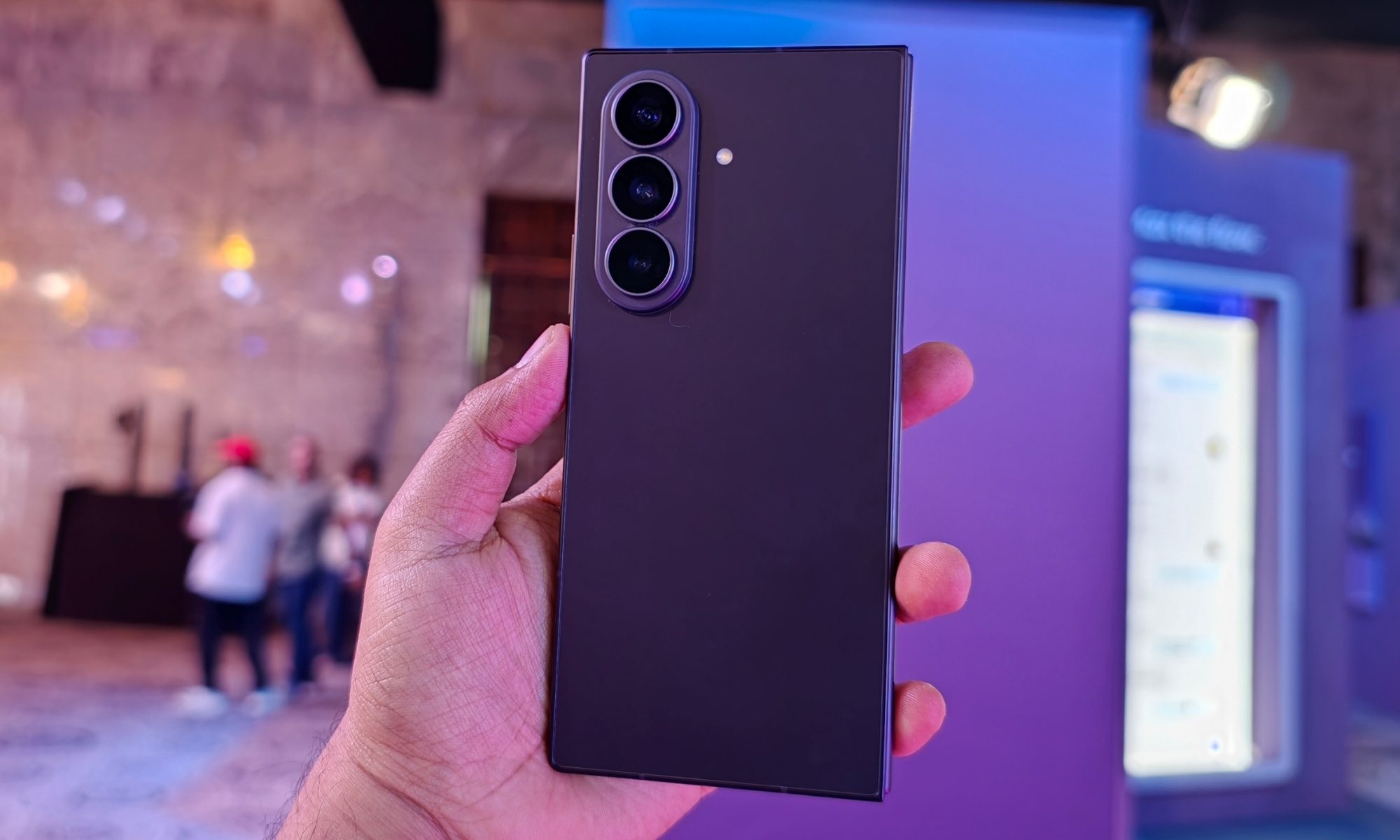
The Samsung Galaxy Z Fold 8 Ultra is not the phone that reimagines what a foldable looks like. That job belongs to its sibling, the wider-screen Galaxy Z Fold 8; the Ultra is the direct successor to the Galaxy Z Fold 7 instead. It carries forward the same tall, narrow design and the same book-style proportions, for the same audience.

If you've used a Samsung Galaxy Z Fold in the past and think that the shape is perfect for you, the Fold 8 Ultra is exactly the right phone for you. It has a sharper inner display, a substantially larger battery, faster charging, and Samsung's new Flex Titanium display structure, which is designed to minimize the crease that has troubled Samsung's foldables for years.

Read more
Google’s priciest Pixel 11 may bring a smaller battery and a bigger bill
Google’s next Pro Pixels may turn “less for more” into a flagship feature
Rear shell of Google Pixel 10 Pro.

Google’s next flagship phones may ask buyers to accept two changes that rarely sit well together: smaller batteries and higher starting prices. Reliable leaker Roland Quandt claims the Pixel 11 Pro will carry a 4,850mAh battery, while the larger Pixel 11 Pro XL will offer 5,115mAh. The same leak puts their UK prices at £1,079 and £1,279, respectively, for models with 256GB of storage. Google has yet to confirm any of these figures, with the Pixel 11 launch scheduled for August 12.

The Pixel 11 Pro XL gets the roughest deal

Read more