

Over the past couple of years, the debate around digital safety of children has reached a new high. Australia, for example, aims to ban social media for everyone under the age of 16 years. But enforcing such rules is anything but a cakewalk.
According to research by the country’s online safety regulator, most children are able to easily bypass the age limit rules. What about identity checks using nationally-validated documents? As per experts, that would pose a serious privacy risk, especially given the poor record of social media companies.
Apple might strike a middle ground later this year. In a white paper, the company has detailed a few changes to the parental control system that will allow guardians to keep children safe from harmful apps and software.
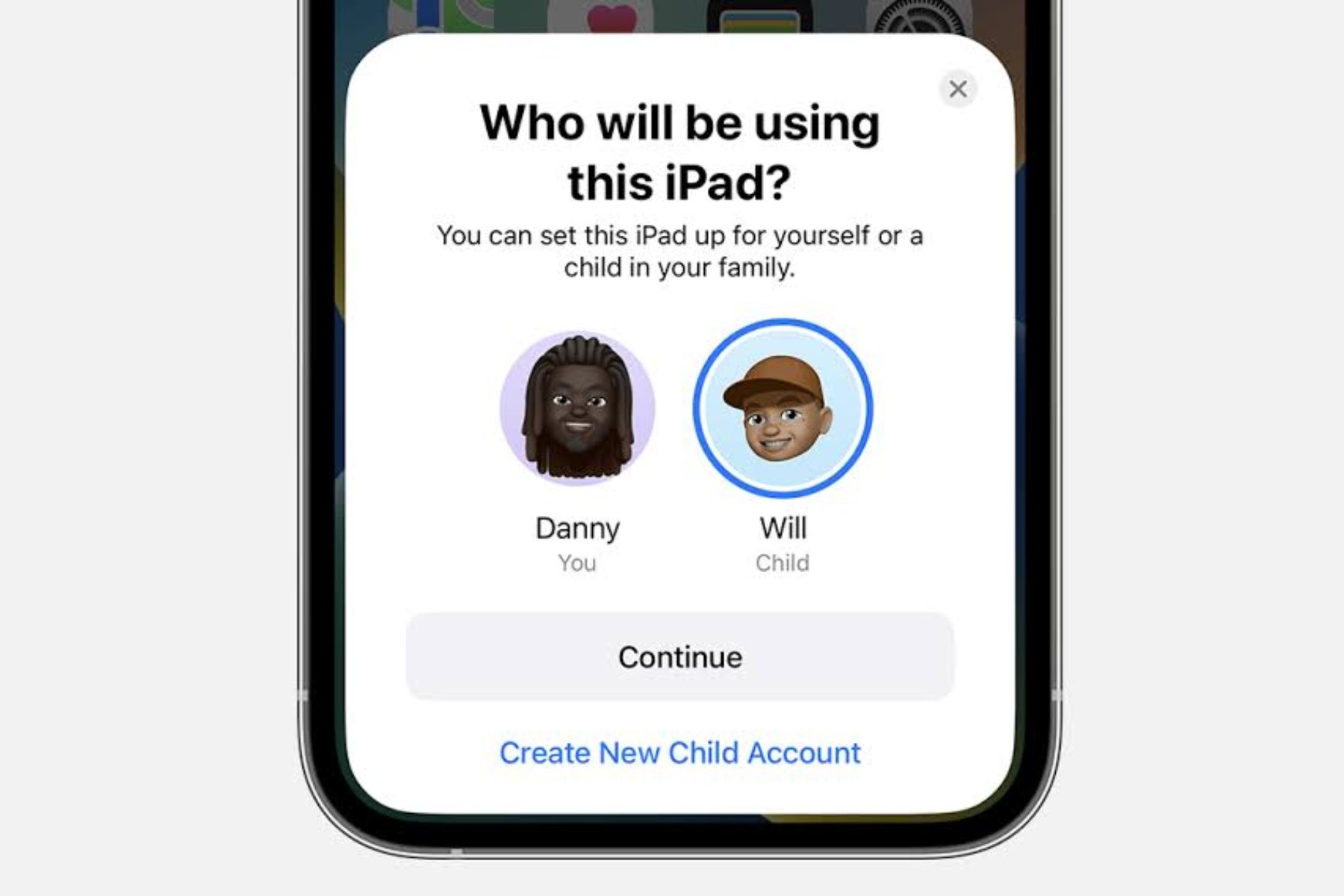
To that end, Apple will allow parents to share the broad age of their children with apps, ensuring that these apps only offer access to content that is healthy for their age. With this approach, parents won’t have to share the exact age of their children by verifying it against materials such as ID cards or birth certificates.
“Through this new feature, parents can allow their kids to share the age range associated with their Child Accounts with app developers,” says the company. The age information will be shared via an API, and once they are in place, apps will automatically default to showing age-appropriate content.
Apple defines the Declared Age Range API as a ”narrowly tailored, data-minimizing, privacy-protecting tool.” Notably, app developers or companies are not getting this information.
It will only be accessible to them once parents explicitly choose to do so. Moreover, they can choose to stop sharing the age range information at any point they want.
Going a step further, Apple will also make the process of setting up a child account easier for parents. And if parents are unable to fully configure the age-appropriate settings, Apple will automatically apply the protective settings by default, so children aren’t exposed to unsafe material on their iPhones or iPads.
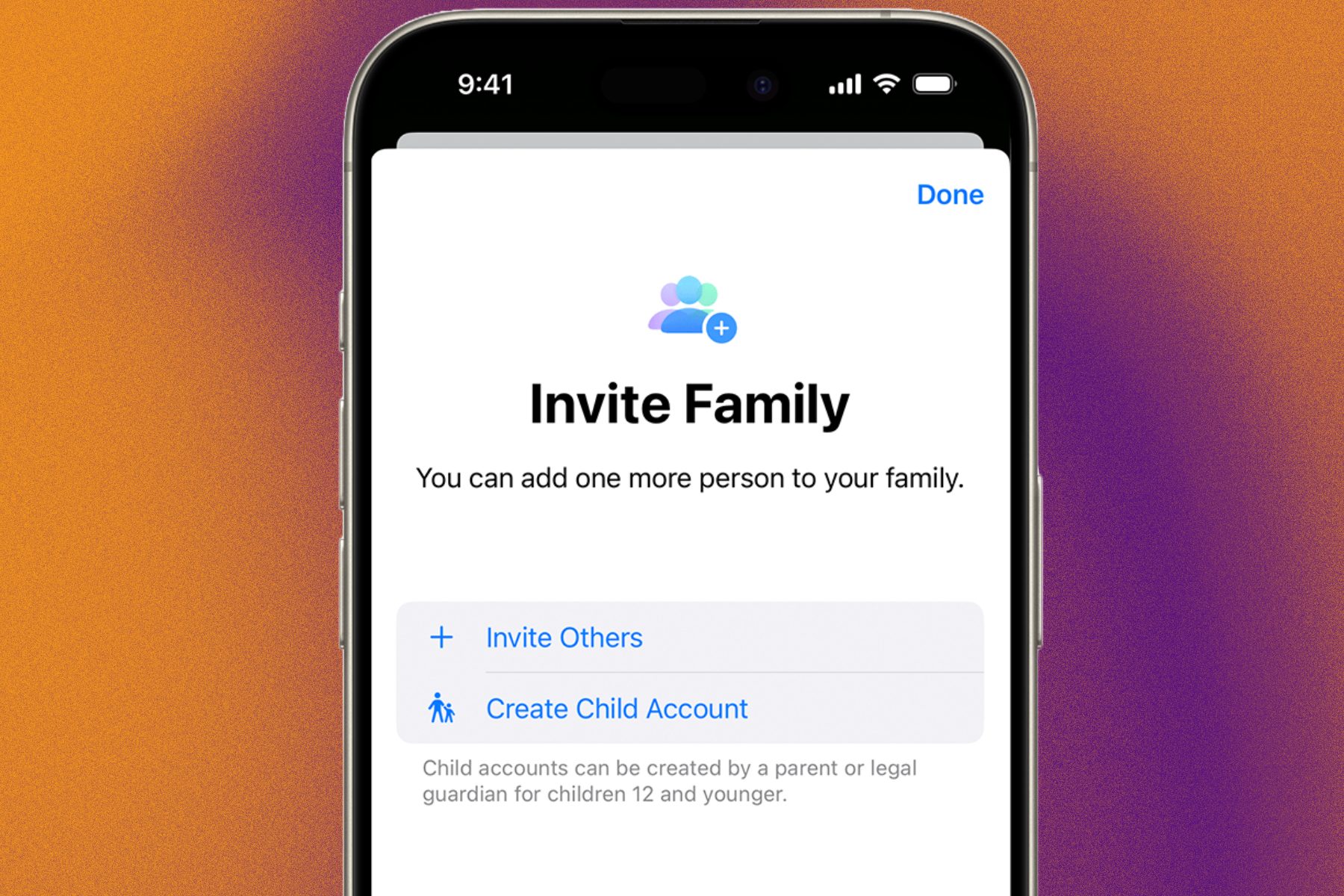
Furthermore, Apple will also make it more convenient for parents to change the age of their children in the parental control dashboard. For example, if guardians weren’t able to properly set up the Child Account with the right age, they will be prompted to do so by asking them to connect it with the Family group.
Once there, the account will automatically revert to the age-appropriate content sandbox. Apple will also ask developers to share more details about their apps, such as scenarios where they serve sensitive content and what kind of material can be accessed by using their apps.
Once those details are submitted, Apple will automatically assign a more granular age rating to those apps. Instead of a two-tier approach, the App Store will show apps across three categories viz. 13+, 16+, and 18+ for the intended audience.


