1. Home
  2. Phones
  3. Mobile
  4. News

Digital Trends may earn a commission when you buy through links on our site. Why trust us?

iPhone 17 Air might not serve a price shock, after all

Add as a preferred source on Google
Alleged concept render of the iPhone 17 Air in black.
Zellzoi / Digital Trends

Ever since we first heard murmurs of Apple prepping an ultra-slim iPhone, speculations were rife about a fittingly high asking price. But it seems buyers won’t get hit with an absurd “innovation tax” for the iPhone 17 Air model later this year.

According to Bloomberg, the upcoming phone might be priced at “roughly $900.” To put that into perspective, that’s the same asking price as the iPhone 16 Plus. To recall, the iPhone 17 Air is expected to replace the “Plus” model in Apple’s line-up later this year.

Recommended Videos

A few pleasant surprises

The package, however, is going to be a mixed bag of surprises. For example, the slim phone is expected to offer a 6.6-inch display, but it will borrow the ProMotion display tech from the pricier Pro models. So far, the high refresh rate perk has been exclusive to Apple’s flagship iPhones and iPads.
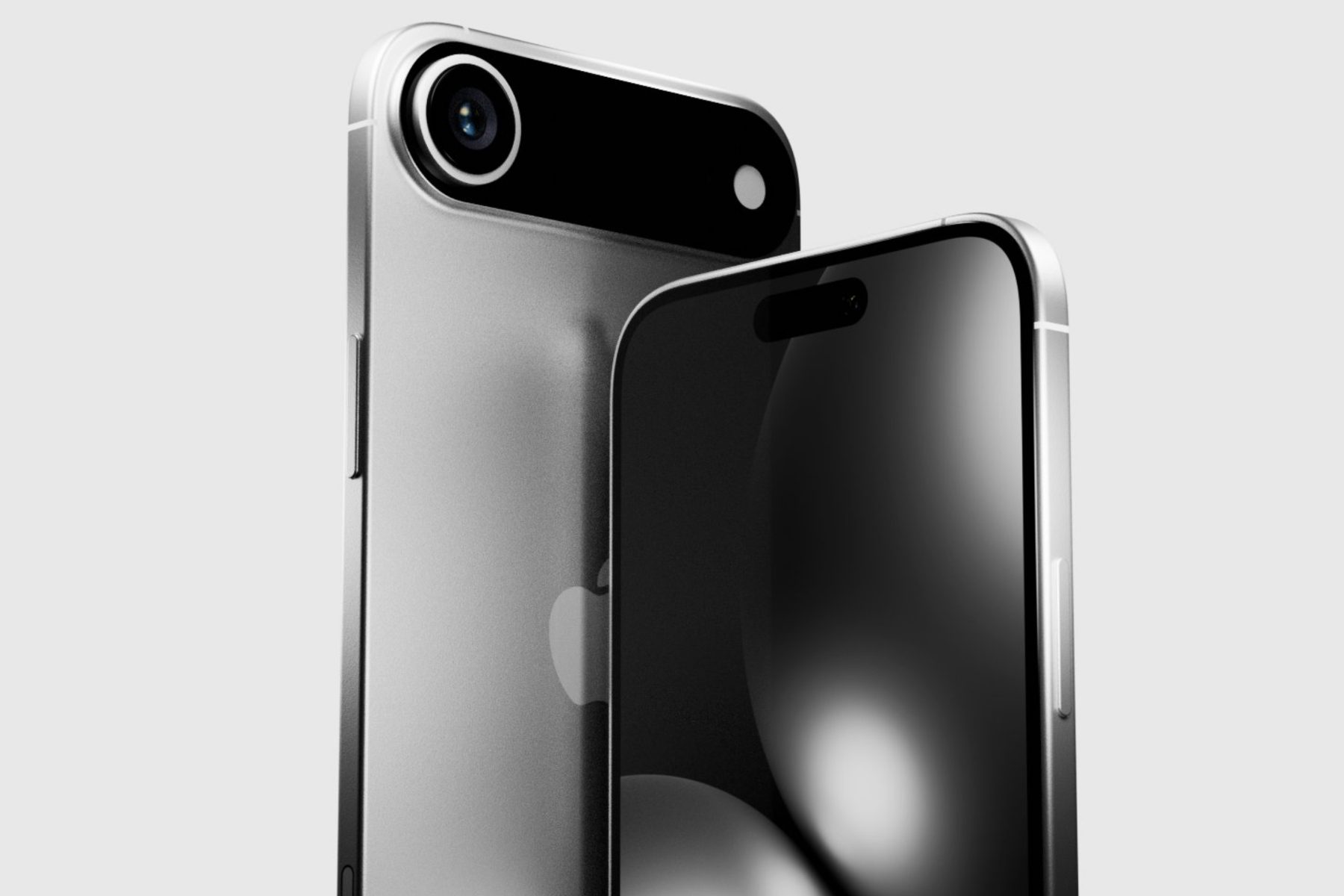
Alleged render of iPhone 17 air in silver color.
@zellzoi / x

Moreover, despite its slim chassis, the iPhone 17 Air will retain the Camera Control button. The biggest surprise, however, is going to be the battery life. As per Bloomberg’s report, despite packing a slimmer battery pack, it will offer a per-charge mileage that is “on par with current iPhones.”

Of course, a few sacrifices had to be made in order to achieve the slim profile. The most prominent one is the watered-down camera hardware. Despite its high asking price, the iPhone 17 Air is said to offer only a single 48-megapixel rear camera. For comparison, that’s the imaging hardware we get on the $599 iPhone 16e, as well.

In the processing department, it will come equipped with the new A19 silicon, while the iPhone 17 Pro models will go with the faster A19 Pro variant. Apple is also skipping the physical SIM tray on this one, going all-in with an eSIM approach.
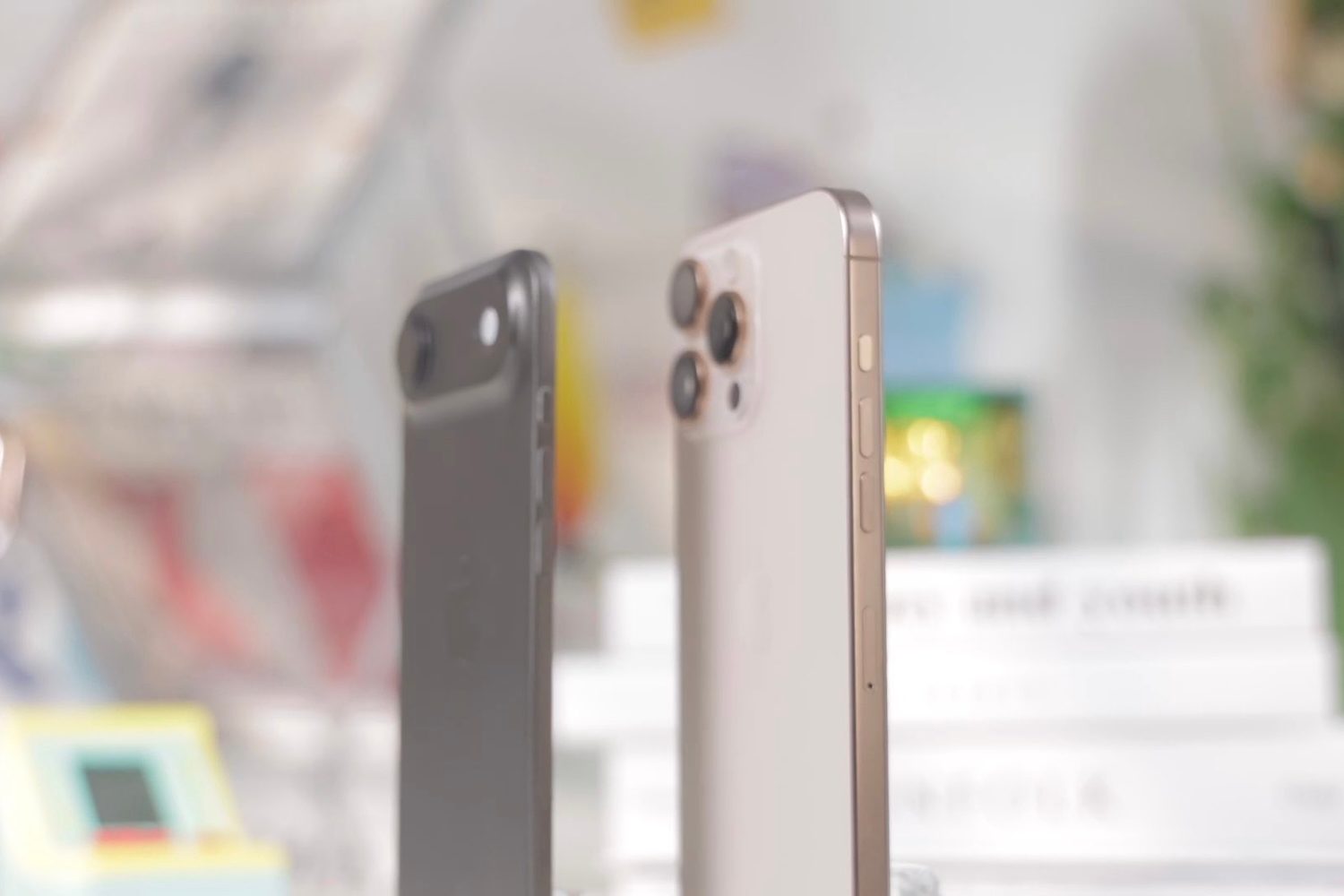
A mockup of the Apple iPhone 17 Air next to the iPhone 16 Pro Max.
Majin Bu

Finally, the svelte phone will also come fitted with the in-house C1 modem, which made its first appearance inside the iPhone 16e earlier this year. So far, the modem hasn’t raised any performance red flags, but it misses out on a crucial connectivity upgrade.

Unlike the Qualcomm modems, the C1 modem lacks support for the faster mmWave 5G architecture. Apple won’t be the only brand playing the ultra-slim phone game this year. 

Samsung’s Galaxy S25 Edge is expected to arrive in the coming months. Tecno’s impressive Spark Slim is also said to be on a 2025 launch trajectory. A handful of Chinese brands are eyeing their own ultra-slim phones this year, as well.

Nadeem Sarwar
Nadeem is the Managing Editor at Digital Trends.
Pixel 11 just got more expensive, but Google may have found a way to stop the bleeding
Google's big manufacturing shake-up could help Pixel 12 from getting even pricier
Electronics, Mobile Phone, Phone

Google just pushed the prices higher for the entire Pixel 11 lineup. The hikes weren't surprising at all, especially considering the rising component costs and the ongoing RAMmageddon. But a new report hints that we might soon see a solution to all of this.

According to Nikkei Asia, Google plans to stop producing all Pixel devices in China starting in 2027, shifting manufacturing toward India and Vietnam. The reported move covers Pixel phones, watches, and wireless earbuds as Google continues reducing its reliance on Chinese manufacturing. As always, there's no guarantee Google will pass any resulting savings along to buyers. Though reducing its exposure to China at a time of volatile trade policy and spiralling component costs could give the company more flexibility when it comes time to price future Pixels.

Read more
The sideloading workaround Google promised months ago is finally rolling out
Google's making sideloading harder on purpose, but there's still a way in.
Google infographic

Google is finally rolling out the advanced sideloading flow it first teased back in March, giving power users a way to install apps from unverified developers on certified devices without touching ADB.

Back then, Google started asking developers to verify their identity before their apps could land on certified Android devices, no matter if you download them from the Play Store, a third-party store, or sideload them directly. The idea is to tie every app to a real developer ID so scammers can't easily sneak malware onto your phone.

Read more
The phone you can actually repair yourself is finally coming to the US
A phone built to be fixed, not replaced, has officially landed stateside.
Fairphone-in-hand

Most US smartphone buyers gravitate towards popular smartphone brands, including Apple, Samsung, and Google. And while there’s no denying that these companies make exceptional smartphones, they all fall short in the department of repairability. 

Break the display, and you are looking at repair costs of upwards of $300. Want to change the battery? It’s going to cost you at least $100, and even if you are ready to pay, you cannot repair it yourself. 

Read more