  1. Home
  2. Phones
  3. Android
  4. Mobile
  5. News

Archos breathes new life into its tablet lineup with the 133 Oxygen

Add as a preferred source on Google
IFA 2026
This story is part of our coverage of IFA Berlin 2025

As if announcing a trio of phones was not enough, French manufacturer Archos expanded its tablet lineup by unveiling the 133 Oxygen.

The first thing about the 133 Oxygen that quickly jumps out at you is its gargantuan 13.3-inch, 1,920 x 1,080 resolution IPS display, with a 2-megapixel camera sitting above it and a 5MP sensor with flash around back. Thanks to the large display, the 133 Oxygen is the largest tablet in Archos’ arsenal, and one of the larger Android tablets around. The size does make the tablet rather polarizing, however, particularly if you are used to toting your tablet around everywhere you go — you will feel the 2.5lb weight of the 133 Oxygen in your backpack.

Recommended Videos

The huge display does allow for an equally large 10,000mAh, but do not let the number fool you — the 133 Oxygen looks to only deliver five hours of video playback or 168 hours of standby time, rather underwhelming numbers for such a massive battery pack.

Under the hood, a 1.5GHz octa-core Rockchip RK3368 and 2GB RAM power the 133 Oxygen, with the use of a Rockchip processor an interesting decision on Archos’ part. Even though the processor is becoming somewhat commonplace in Chrome OS devices, it is still uncommon on the Android side of things.

Elsewhere, the 133 Oxygen features 64GB of native storage, though the MicroSD card slot is there if you need up to an additional 128GB. Weirdly enough, the tablet packs two Micro USB ports. Finally, the tablet looks to run a mostly-stock version of Android Marshmallow, though it is unknown whether an update to Nougat is in the works.

According to Archos, the 133 Oxygen will be available through its website and its distribution channels around the world sometime in November for 180 British pounds (around $262), though Archos gave no specifics in regards to region availability.

Williams Pelegrin
Williams is an avid New York Yankees fan, speaks Spanish, resides in Colorado, and has an affinity for Frosted Flakes. Send…
Samsung finally switched to silicon-carbon battery on Galaxy Z Fold 8. What’s so special about it?
One of Galaxy Z Fold 8’s biggest upgrade is hiding inside
Galaxy Z Fold 8 Ultra with Fold 8

Samsung has finally joined the silicon-carbon battery race with its latest batch of premium foldables packing the new battery tech. But details for this change were rather hard to spot on the spec sheets. The company has confirmed during media briefings that the Galaxy Z Fold 8 Ultra, Galaxy Z Fold 8, and Galaxy Z Flip 8 all use silicon-carbon batteries.

Even then, the resulting capacities are hardly record-breaking. The Fold 8 Ultra carries a 5,000mAh battery, the regular Fold 8 gets 4,800mAh, and the Flip 8 has 4,300mAh. Rivals from Honor and Motorola have already crossed the 6,000mAh mark. But the figures only tell part of the story.

Read more
I’ve used foldable phones for years. Here’s how to pick the right one between the Galaxy Z Fold 8 and Flip 8
Samsung’s three new foldables solve very different problems
Galaxy foldables with its screen visible

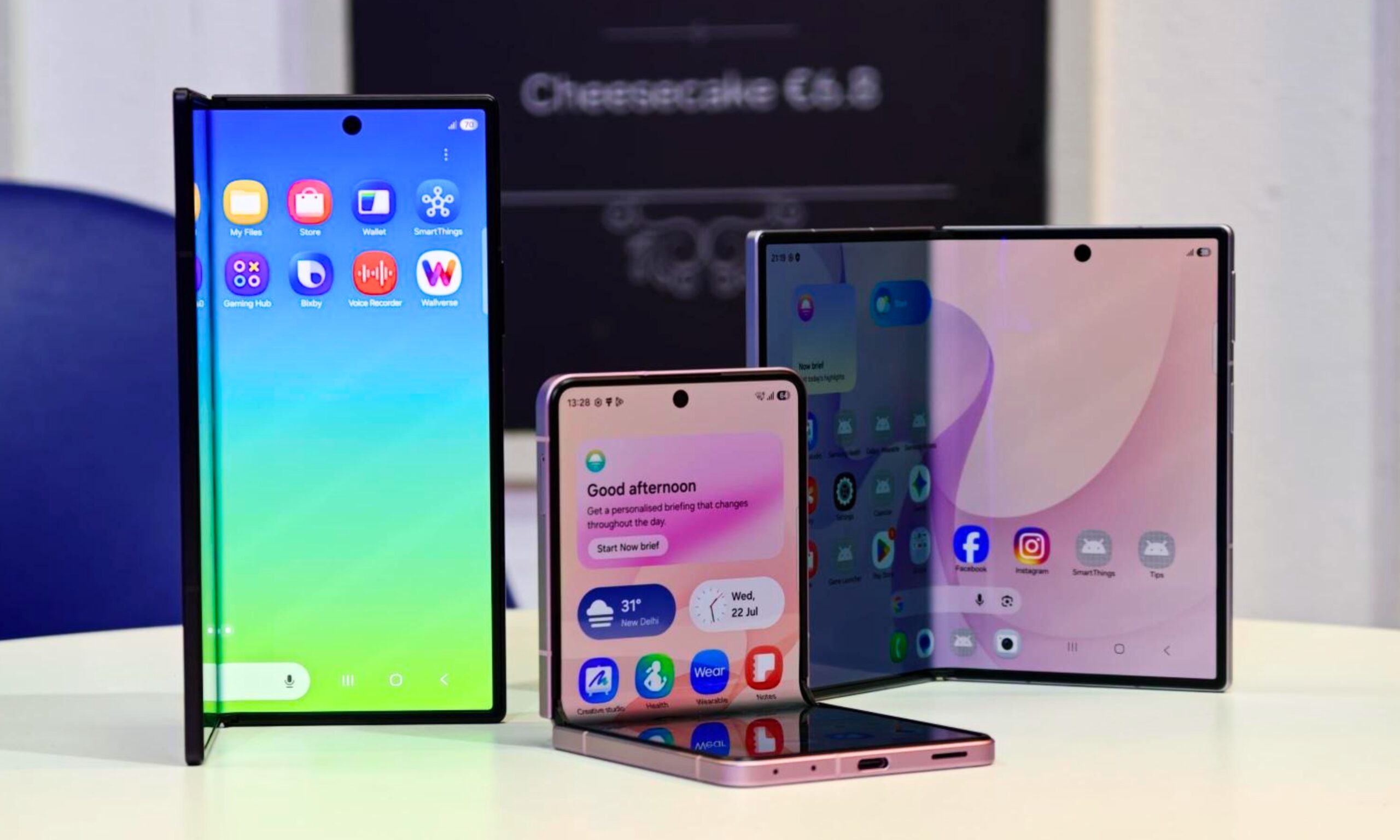
After years of reviewing foldable smartphones, I have learned that choosing one involves much more than what looks pretty or how large you want. Book-style foldables are usually sold as productivity machines, while flip phones cater to people who value portability. Samsung’s latest lineup complicates that choice by introducing two very different book-style models alongside its familiar clamshell.

Most of their shared specifications fade into the background once you start using them. Their shapes and screens have a much greater impact on daily life. So here's how I'd make a decision when choosing between the new Galaxy Z Fold 8 Ultra, Galaxy Z Fold 8, and Galaxy Z Flip 8.

Read more
How to set up selfie video sign-in for your Google account
Your face can now serve as a way to get back into your Google account. Here's how to set it up.
Google account selfie sign in tutorial featured

Losing access to a Google account is rarely a quick fix, but Google has been actively working to make things easier. Last year, the company introduced a feature called Recovery Contacts that lets you designate a trusted friend or family member to verify your identity if you ever get locked out. Now, Google has introduced a new option, one that uses your face to get you back in instead of a phone call to a friend.

Like Recovery Contacts, the new selfie video authentication feature requires some setup before you can use your face to sign into your Google account. This involves recording the reference video that Google will use to verify your identity whenever you attempt to log in this way. Here's how to set up selfie video sign-in for your Google account.

Read more