1. Home
  2. Phones
  3. Business
  4. Mobile
  5. News

Could Comcast be the next major wireless carrier? Company appears to be making bid

Add as a preferred source on Google

It appears that Comcast may be looking to branch out a little. The company already dominates the playing field when it comes to broadband internet, but it appears as though it may end up trying to take on the likes of Verizon and AT&T in the mobile space, too.

How do we know Comcast is aiming to enter the mobile industry? Well Comcast submitted an application under the name “CC Wireless Investment, LLC” to be among the 62 companies qualified to bid on new wireless spectrum airwaves set to be auctioned off in August. The 600MHz airwaves up for auction were available for TV broadcasters, and will now go to wireless carriers.

Recommended Videos

Comcast has said that it will only buy spectrum if it can do so at the right price, however, the move does highlight the fact that Comcast is looking to expand its business and may become a mobile carrier. There are other signs that the company wants to become a carrier. For example, the company activated a Mobile Virtual Network Operator agreement with Verizon, letting Comcast resell Verizon’s service. Comcast also obviously has a massive network of Wi-Fi hot spots, which it could use as part of a new carrier service.

There are also reports from Multichannel News that suggest Comcast has literally created a new division called Comcast Mobile Division — which leaves little to the imagination. This new division will apparently be lead by Greg Butz, who helped create Comcast’s broadband business when broadband was still in its infancy.

Of course, just because Comcast wants to bid on new airwaves doesn’t mean that it will actually win the auction. Verizon, AT&T, T-Mobile, and US Cellular are all also qualified to bid in the auctions, and may have bigger budgets for such purchases. Lower frequencies, like the 600MHz airwaves on auction, are best for covering large distances and reaching indoor locations. They are not, however, the type of airwaves that will be required if Comcast wants to join the slew of companies working on 5G, which will most likely require high-frequency airwaves that can deliver data at high speeds but can’t necessarily travel long distances.

Christian de Looper
Christian de Looper is a long-time freelance writer who has covered every facet of the consumer tech and electric vehicle…
TSMC might set up a price hike that could come straight for your next phone, laptop, or tablet
Here's what TSMC's rumored 10% chip price increase actually means in dollar terms, and why your next phone or laptop could end up costing more.
TSMC Fab

My wallet flinched the second I saw the words "TSMC" and "price increase" in the same headline, and honestly, yours should too.

Turns out the company behind the silicon powering basically every flagship device out there, including Apple’s A-series and Qualcomm’s Snapdragon processors, is reportedly about to make all of it a little pricier.

Read more
Samsung’s free storage doubling for preorders is gone in Austria, and the replacement isn’t as sweet
Samsung's free storage doubling deal might just be history.
The back of the Galaxy Z Fold 7

If you've pre-ordered a Samsung foldable purely for the free storage bump, tomorrow's Unpacked event might sting a little.

For years, pre-ordering a new Galaxy meant automatically getting double the storage at no additional charge. Buy the 128GB model, walk away with 256GB for the same price. The same applied to the 256GB and 512GB models. However, that might change at the upcoming Galaxy Unpacked event. 

Read more
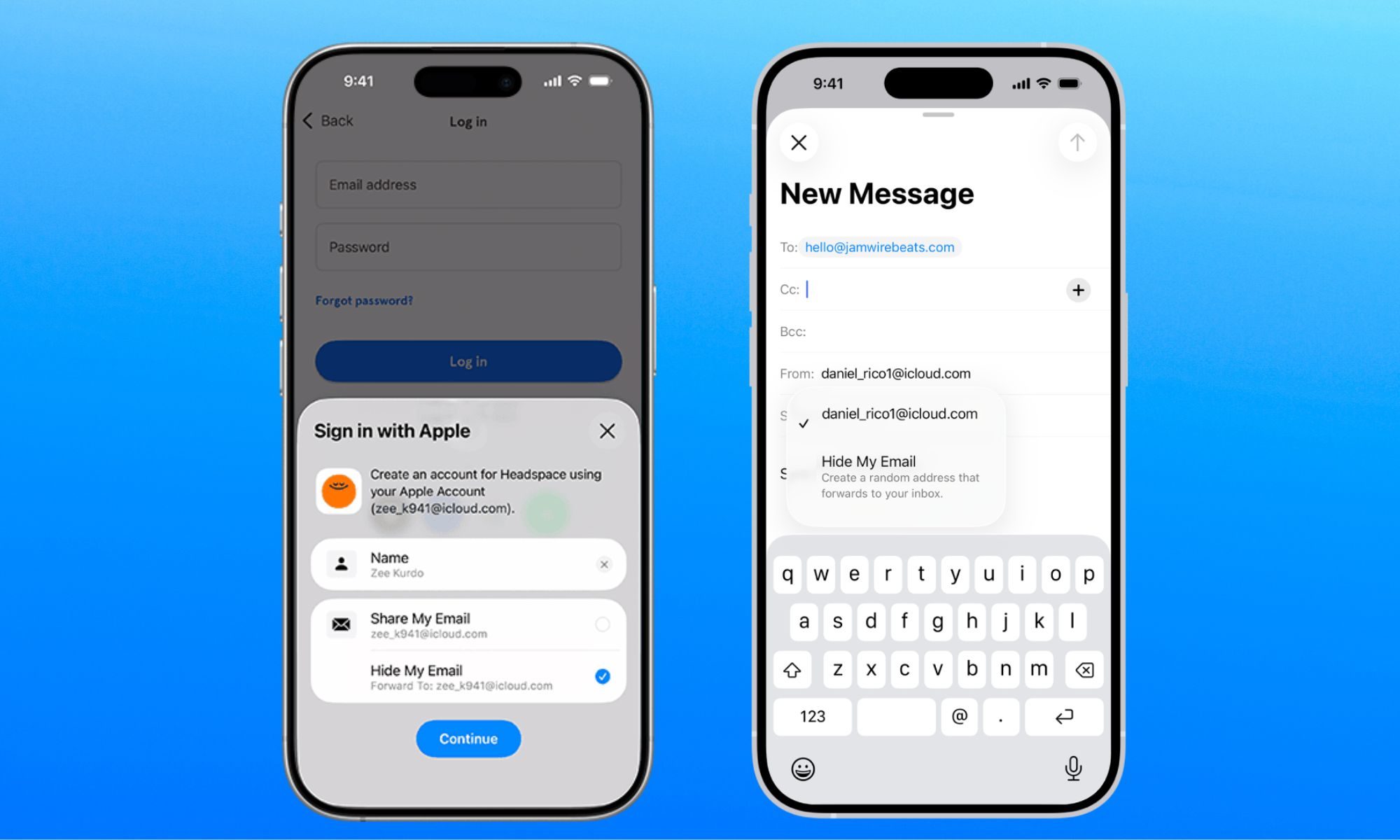
Apple fixes Hide My Email bug that exposed users’ real email addresses
Here's how Apple's Hide My Email flaw leaked real addresses for over a year, and why it only got fixed once the story went public.
apple-merging-sign-in-with-apple-hide-my-email-icloud+

Turns out the "Hide" part of Hide My Email wasn't doing its job quite as advertised, something that I covered early in July. Security researcher Tyler Murphy reported the flaw in June 2025, but despite Apple claiming it was resolved in March 2026, independent tests confirmed it remained exploitable, at least until July 3, 2026.

So how did this bug actually work?

Read more