1. Home
  2. Phones
  3. Emerging Tech
  4. Mobile
  5. Legacy Archives

In the future, screens may correct your eyesight problems, not glasses

Add as a preferred source on Google

A team of scientists at the University of California are developing a new type of screen technology, which could correct vision problems without the need for the viewer to wear glasses. The research is still in the early stages, but an article published by the MIT Technology Review gives us a rundown on how the tech will work.

A plastic screen with thousands of tiny holes has been placed over an iPod Touch, on which special software adjusts the amount of light shown by each pixel. This means the device controls how light reaches your eyes, so it can artificially recreate a sharp image. It’s called a Light Field Display, and it’s best to think of it like a pair of glasses in reverse, because it understands how our eyes will try and distort what’s shown on the screen, and adjusts the picture to suit. To effectively test the theory, a Canon DSLR camera was setup to simulate someone with a range of common vision problems.

Recommended Videos

It’s not just glasses wearers who will benefit from this new approach, but also those who can’t wear them due to more serious problems. However, there are still a few problems which need to be solved before the project can move forward. Of course, the screen needs to be tuned to the viewer’s eyes, and more importantly, their focal length. Sit too close or too far away, and it may not work effectively. We can see Amazon Fire Phone-style eye-tracking tech being used to solve this, but apparently, we tend to move around naturally to bring images into focus too.

The individual nature of the screen makes it a problem for multiple viewers, but scientists on the project say this could be cured by using a very high pixel density screen. A figure around twice that of the iPod Touch – that’s approximately 650 pixels per inch – could do the job, but this is beyond what we’re seeing on even the best smartphones (the LG G3 has 538ppi, for example) at the moment.

The team will present their research paper at a science exhibition in Canada during August. The project is exciting, but we’re still a few years away from seeing a working prototype that could free us from our specs.

[Image courtesy of Sergey Nivens/Shutterstock]

Andy Boxall
Andy has written about mobile technology for almost a decade. From 2G to 5G and smartphone to smartwatch, Andy knows tech.
Geekbench now lets you check how a phone will actually handle your boring daily chores
New tests, smarter scores, and finally some love for NVIDIA GPUs.
Geekbench 7 open on iPhone

Geekbench, the popular cross-platform benchmark from Primate Labs, just got a major update. Geekbench 7 is out today, and you can download it on Android, iOS, Windows, macOS, and Linux. If you like to know exactly how your CPU and GPU stack up, this update brings a bunch of changes worth knowing about.

What's new in the CPU tests?

Read more
Latest Pixel 11 series leak offers the clearest look yet at Google’s next flagship
Google's next Pixel has leaked again, but this time almost nothing is left to imagine
Pixel 11

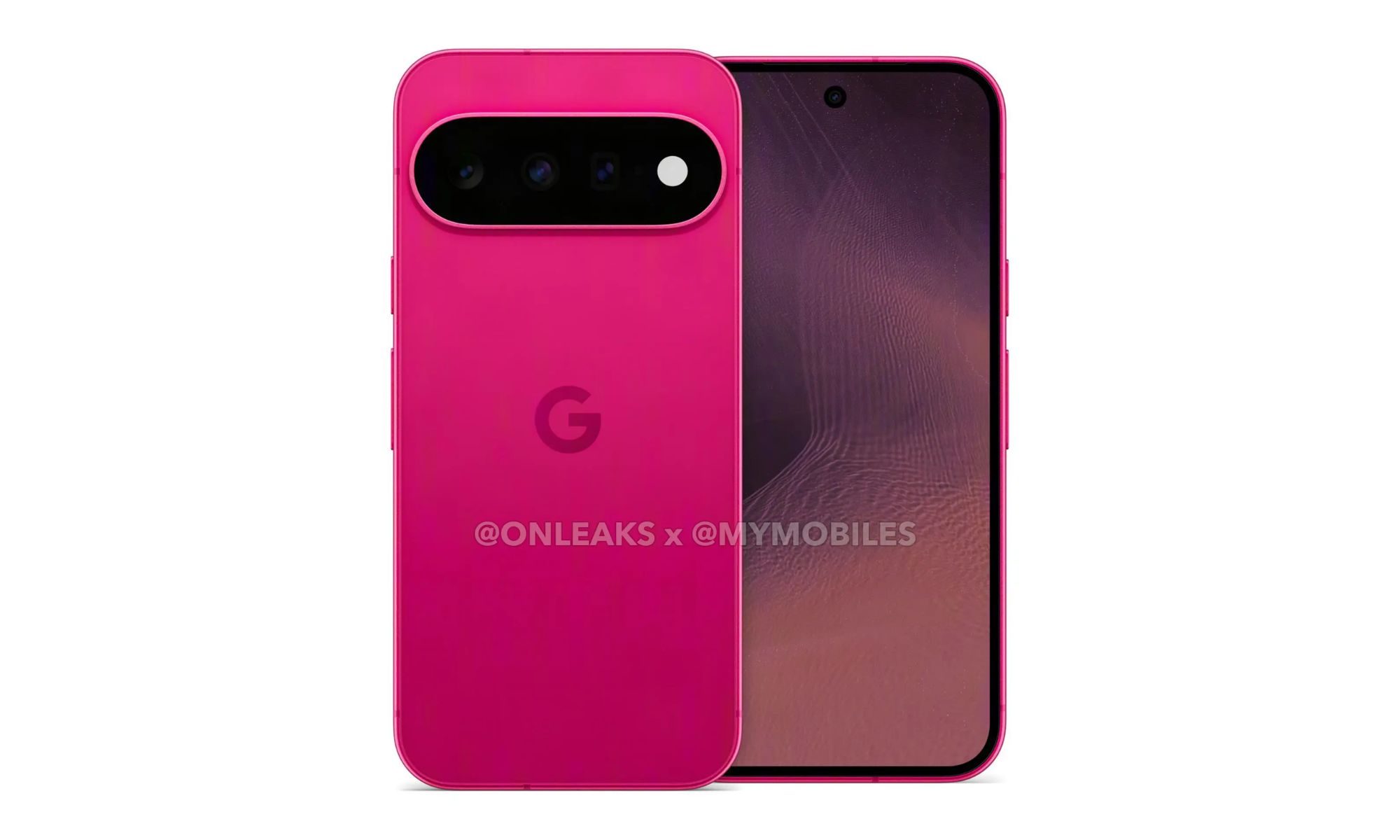
Google's Pixel launches have become increasingly difficult to keep under wraps, and the Pixel 11 series appears to be no exception. Weeks before Google's scheduled August 12 launch event, a fresh leak has revealed what is claimed to be the complete set of official press renders for the Pixel 11, Pixel 11 Pro and Pixel 11 Pro XL, showcasing every colour option across the lineup.

The renders, published by MyMobiles in collaboration with tipster OnLeaks, offer what is arguably the most comprehensive look yet at Google's next flagship family. If authentic, they not only confirm earlier design leaks but also reveal Google's colour strategy for 2026, including a vibrant Fuchsia finish for the standard model and a new copper-inspired "Dune" variant for the Pro series.

Read more
Galaxy Z Flip 8 vs. Motorola Razr Ultra (2026): Samsung’s flip phone is cheaper, but is it better?
One flip phone wins on value. The other wins on hardware.
Electronics, Phone, Mobile Phone

Flip phones have quietly become one of the most competitive corners of the smartphone market. It provides buyers with a satisfying folding snap, reducing the footprint to half the original size, and that’s the entire point. Motorola never really left the format after reviving the Razr name, while Samsung has spent generations treating the Flip line as its scrappy, budget-friendlier sibling to the Fold. 

This year, though, the gap between the two camps has narrowed to the point where picking a winner requires genuinely reading the spec sheet and learning about the phones before putting your money into one. One phone leans hard into raw display firepower, while the other leans into a deeper software ecosystem and a friendlier price tag. 

Read more