1. Home
  2. Phones
  3. Android
  4. Mobile
  5. News

Google’s bizarre folding smart book has multiple screens instead of pages

Add as a preferred source on Google
Image used with permission by copyright holder

Do foldable smartphones only need to have one screen when you open them up? Google doesn’t think so, based on a recently discovered patent that shows a, “smart book” with multiple screens inside just like a regular book. The images that accompany the patent give us an idea of how this unusual device would look.

Like other folding smartphones we’ve already seen — the Galaxy Fold and the Huawei Mate X, for example — the Google folding smart book has a central hinged spine, to which the internal screens are attached. Folded up, the smart book would have solid, non-flexible screens on the cover and on the back for rigidity. Open it out, and instead of turning paper pages, you’d be turning flexible screens.

Recommended Videos

The pictures are basic, but the patent itself goes into a lot of details about the hinge section, and the technical aspects of how it needs to bend. The patent applies not just to the multi-screen model seen here, but also to a foldable device with a more conventional screen layout. Google envisages the necessary components being hidden in the spine section, and the hinge itself needing to have several mechanisms to move the internal screens.

While the patent illustrations show thick internal panels, this is unlikely to represent any final device that may eventually go into production. The weight of a folding smart book with another three, four, or more modern screens inside would be prohibitive for a start. The patent description states the screens would also be set very close together for a compact closed design, with possible distances ranging from 1mm to only 0.005mm between each screen.

Google’s patent shows the unusual directions companies are going in while exploring the potential behind folding smartphones, tablets, and laptops. The multi-screen folding smart book shown here may seem fantastical now — and it is, given the technology and work needed to currently create something like this — but as folding, rollable, and flexible devices become easier and cheaper to produce, and the tech around them evolves, it’s entirely possible this could be a future replacement for the modern eReader.

The patent was filed in 2018, and does not necessarily represent a device Google is working on, only a series of ideas and concepts that may not make it into production.

Andy Boxall
Andy has written about mobile technology for almost a decade. From 2G to 5G and smartphone to smartwatch, Andy knows tech.
The Minimal Phone 2 looks dramatically better than the original, and I’m genuinely here for it
Plastic is out, metal is in, and Minimal Phone 2's renders suggest the digital detox phone concept finally has the hardware to match its ambition.
Electronics, Mobile Phone, Phone

I've been following the Minimal Phone since its initial crowdfunding days. The first iteration had the right idea trapped inside the wrong body, I’d say. Plastic build, no 5G, an underwhelming camera, and e-paper ghosting that frustrated early adopters; all these issues kept the phone from reaching a wider audience. 

Now, founder Armen Youssefian has posted what appears to be a 360-degree render of the Minimal Phone 2 on X, and from what I can see, the team has done its homework.

Read more
The EU says TikTok still isn’t doing enough to protect kids
Regulators say the platform's privacy settings don't go far enough under the Digital Services Act.
TikTok Creative Featured

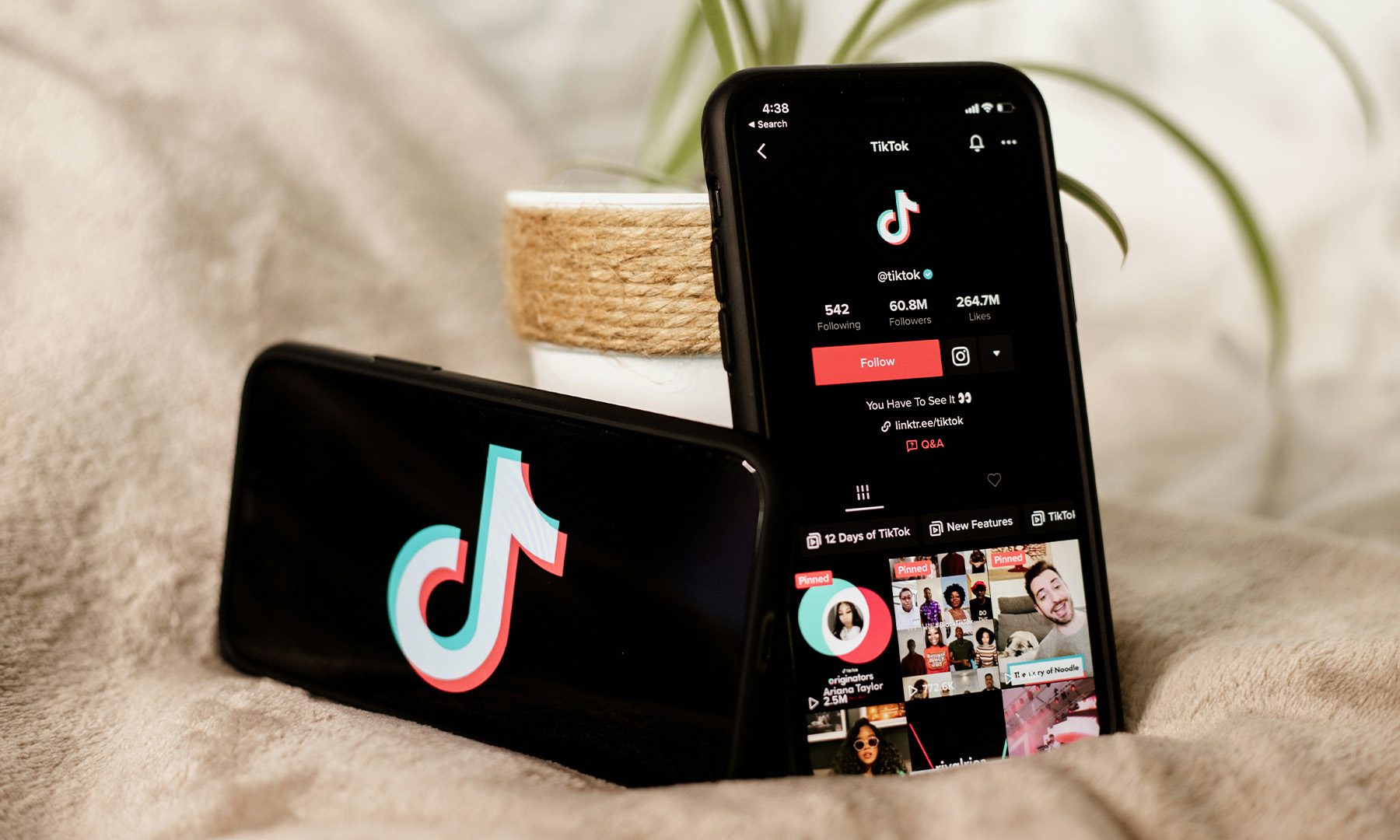
The European Commission has accused TikTok of falling short on protecting minors, saying the platform's current account settings don't meet the child safety standards required under the Digital Services Act (DSA). The findings are preliminary, but if upheld, TikTok could face a fine of up to 6% of its global annual revenue.

Why the EU thinks TikTok isn't doing enough

Read more
Qualcomm is set to ratchet up chip prices in September, and your next gadget upgrade could bear the brunt
The price hike could touch every Snapdragon-powered device category.
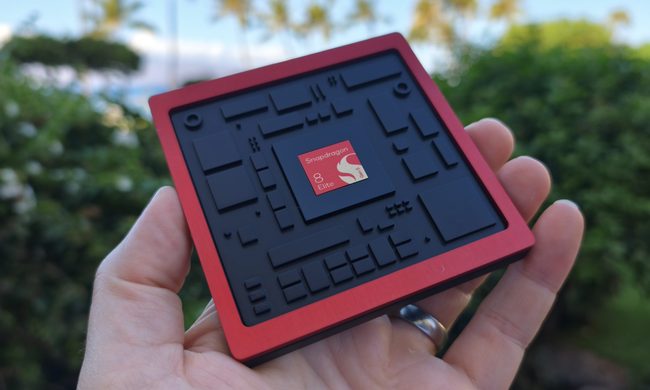
The new Qualcomm Snadragon 8 Elite Gen 5

I want you to sit with this for a second. Qualcomm, the company whose Snapdragon chips sit inside your Android phone and tablet, your Windows laptop, your Meta smart glasses, your Galaxy Watch, and your wireless earbuds, reportedly sent a letter to every major customer telling them prices are going up by double digits. 

The price hike will be in effect from September 1, 2026, a recent Bloomberg report claims. Essentially, all the companies placing their chip orders after that will pay a higher price. 

Read more