1. Home
  2. Phones
  3. Mobile
  4. News

Google homepage updated with new Discover feed for U.S. users

Add as a preferred source on Google

The Google homepage has been updated for mobile devices and now features the new version of the Discover feed that was announced at the end of September. The rollout is just for the U.S. so far, but does apply to both Android and iOS devices.

If you head to google.com on your phone, you’ll see a set of cards below the search box that link you to stories relevant to your interests. Each card shows a cover image, a title, a brief excerpt of the page’s content, the name of the site, and the date the content was published. Typically you’ll see stories on topics like sports, entertainment, or news, personalized based on your search history and preferences. The cards will link to news articles, YouTube videos, recipe pagse, tip articles, photo galleries, and more. The aim is to provide you with a snapshot of content from across the web that might be of interest to you.

Recommended Videos

You can customize your Discover feed too. There is a small menu accessible from the -op right corner of each card which you can use to dismiss the card, indicate that you are not interested in the topic, or block the site from being recommended in Discover entirely. These tools let you tweak your Discover experience so you can get rid of material that you don’t want to see. In the bottom right of each card, there is a menu that lets you determine whether you want to see more or less of the featured topic, so there is a good amount of customization available.The first time you see Discover, there will be a card at the top of the list that explains the new feature and how to use it.

Although the new homepage displays on any mobile browser, including iOS Safari and Chrome, it is only available for U.S. users for now. There hasn’t been any word yet on when the Discover feed will roll out to the rest of the world, but given Google’s international focus, it likely won’t be long until the feature is available outside of the U.S. as well.

Georgina Torbet
Georgina has been the space writer at Digital Trends space writer for six years, covering human space exploration, planetary…
TSMC might set up a price hike that could come straight for your next phone, laptop, or tablet
Here's what TSMC's rumored 10% chip price increase actually means in dollar terms, and why your next phone or laptop could end up costing more.
TSMC Fab

My wallet flinched the second I saw the words "TSMC" and "price increase" in the same headline, and honestly, yours should too.

Turns out the company behind the silicon powering basically every flagship device out there, including Apple’s A-series and Qualcomm’s Snapdragon processors, is reportedly about to make all of it a little pricier.

Read more
Samsung’s free storage doubling for preorders is gone in Austria, and the replacement isn’t as sweet
Samsung's free storage doubling deal might just be history.
The back of the Galaxy Z Fold 7

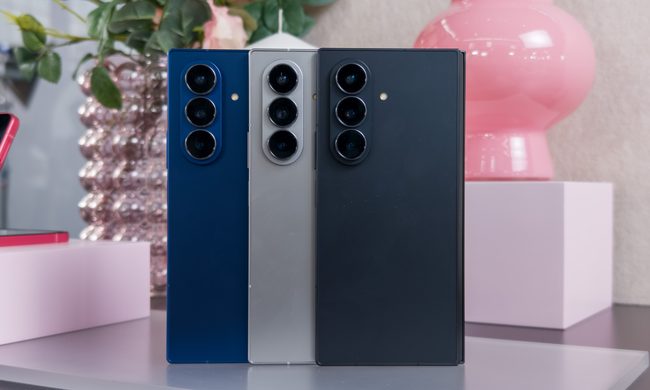
If you've pre-ordered a Samsung foldable purely for the free storage bump, tomorrow's Unpacked event might sting a little.

For years, pre-ordering a new Galaxy meant automatically getting double the storage at no additional charge. Buy the 128GB model, walk away with 256GB for the same price. The same applied to the 256GB and 512GB models. However, that might change at the upcoming Galaxy Unpacked event. 

Read more
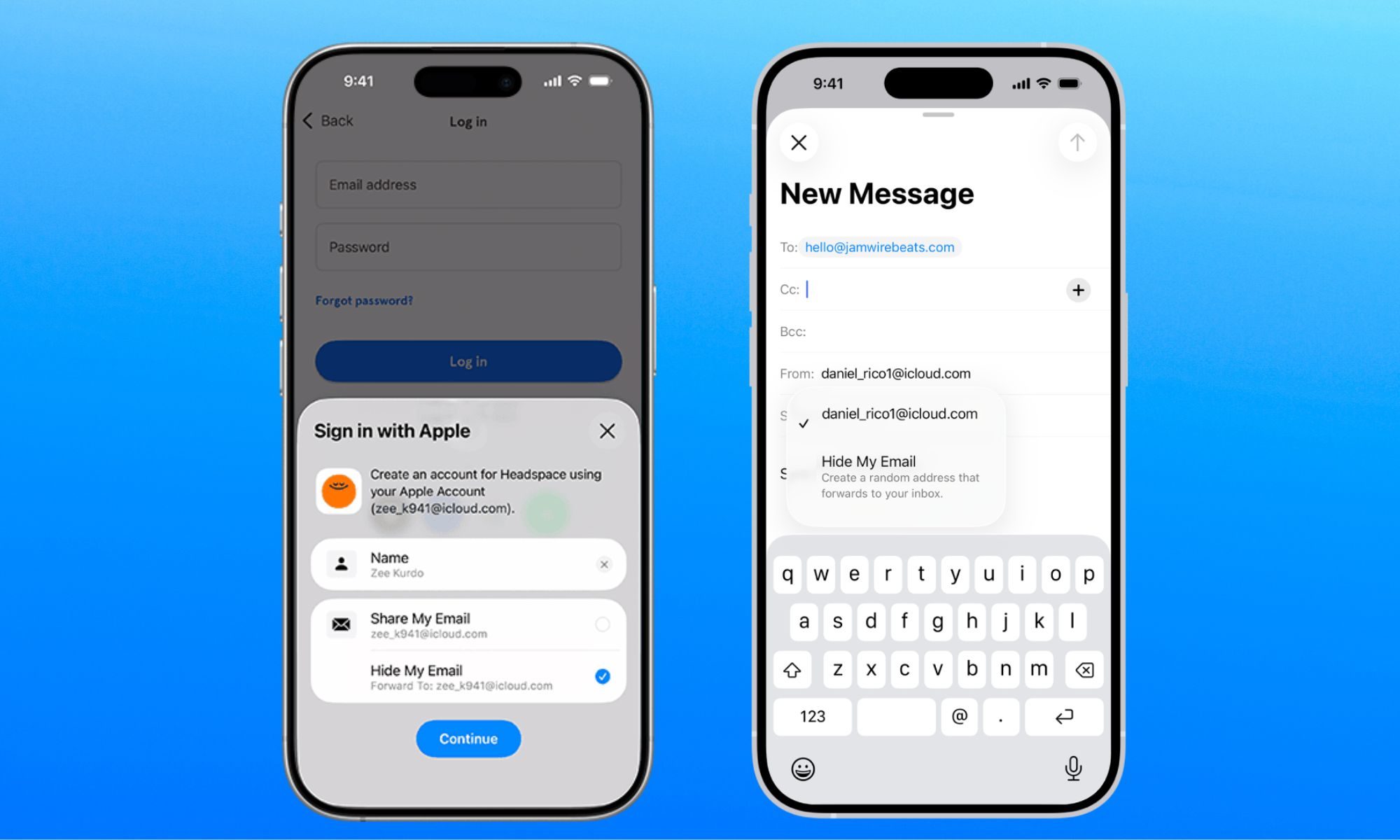
Apple fixes Hide My Email bug that exposed users’ real email addresses
Here's how Apple's Hide My Email flaw leaked real addresses for over a year, and why it only got fixed once the story went public.
apple-merging-sign-in-with-apple-hide-my-email-icloud+

Turns out the "Hide" part of Hide My Email wasn't doing its job quite as advertised, something that I covered early in July. Security researcher Tyler Murphy reported the flaw in June 2025, but despite Apple claiming it was resolved in March 2026, independent tests confirmed it remained exploitable, at least until July 3, 2026.

So how did this bug actually work?

Read more