1. Home
  2. Phones
  3. Mobile
  4. News

Google Maps could soon let you share battery status along with location

Add as a preferred source on Google

In the not-so-distant future, you may be able to assure your friends and family that no terrible fate has befallen you simply because a terrible fate has befallen your phone (which is to say, it ran out of battery). A recent Android Police APK teardown of the Google Maps 9.71 beta suggests that the app will soon show your smartphone’s battery stats when you share your location, which could mean that when you let your loved ones know where you are, you can also let them know how much juice you have left in your phone. That could be the key to avoiding many panicky texts and voicemails.

As it stands, you can already share your location in Google Maps. You need only click the dropdown menu in the left-hand corner of the app, and determine how long and whom you’d like to update as to where you are. But as one might imagine, it gets pretty alarming when a contact suddenly drops off the map when his or her phone battery dies. Google looks to be offering a fix for this by allowing location viewers to also check out remaining battery status, though it likely won’t be terribly specific.

Recommended Videos

Rather, Android Police suggests, the basic format will read something along the lines of, ” [Person]’s battery level is between 50 percent and 75 percent and is charging.” If Maps is unable to determine battery level, either because permissions haven’t been granted or information is outdated, it will read, “[Person’s] battery level is unknown.”

Additionally, Maps looks to soon be adding the ability to create shortcuts to commonly visited mass transit stations, so you can figure out the fastest route to your nearest bus or subway stop in the midst of a pouring rain. In fact, Maps looks to be doing a mass transit overhaul in its entirety — Android Police notes that there are a number of lines that appear to be brand new, and while it’s unclear exactly what will change, our fingers are crossed for an improvement.

As ever, don’t hold your breath for any of these updates. It often takes quite some time for these new features to roll out, and it’s always possible that the features won’t come to fruition at all if testing proves unsuccessful.

Lulu Chang
Fascinated by the effects of technology on human interaction, Lulu believes that if her parents can use your new app…
TSMC might set up a price hike that could come straight for your next phone, laptop, or tablet
Here's what TSMC's rumored 10% chip price increase actually means in dollar terms, and why your next phone or laptop could end up costing more.
TSMC Fab

My wallet flinched the second I saw the words "TSMC" and "price increase" in the same headline, and honestly, yours should too.

Turns out the company behind the silicon powering basically every flagship device out there, including Apple’s A-series and Qualcomm’s Snapdragon processors, is reportedly about to make all of it a little pricier.

Read more
Samsung’s free storage doubling for preorders is gone in Austria, and the replacement isn’t as sweet
Samsung's free storage doubling deal might just be history.
The back of the Galaxy Z Fold 7

If you've pre-ordered a Samsung foldable purely for the free storage bump, tomorrow's Unpacked event might sting a little.

For years, pre-ordering a new Galaxy meant automatically getting double the storage at no additional charge. Buy the 128GB model, walk away with 256GB for the same price. The same applied to the 256GB and 512GB models. However, that might change at the upcoming Galaxy Unpacked event. 

Read more
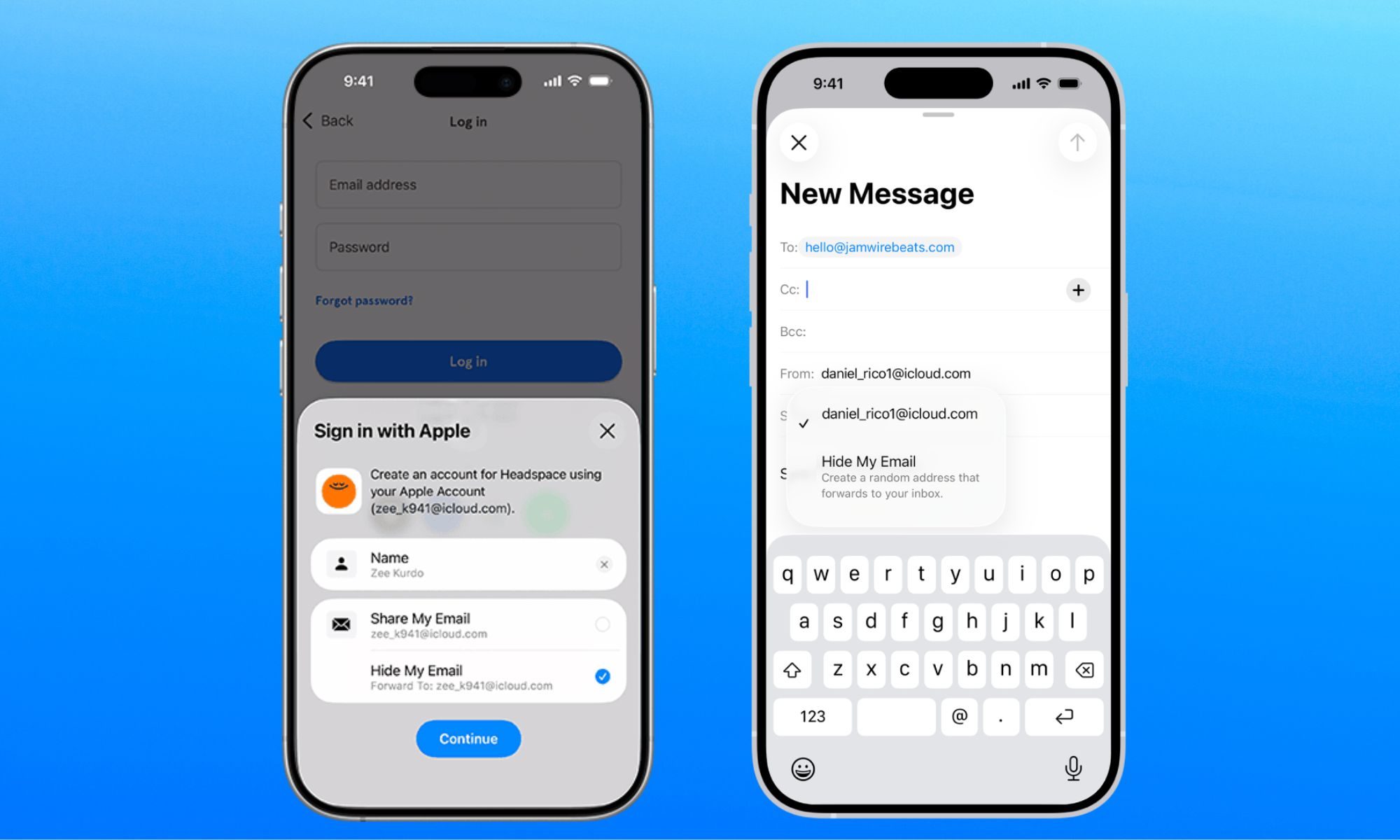
Apple fixes Hide My Email bug that exposed users’ real email addresses
Here's how Apple's Hide My Email flaw leaked real addresses for over a year, and why it only got fixed once the story went public.
apple-merging-sign-in-with-apple-hide-my-email-icloud+

Turns out the "Hide" part of Hide My Email wasn't doing its job quite as advertised, something that I covered early in July. Security researcher Tyler Murphy reported the flaw in June 2025, but despite Apple claiming it was resolved in March 2026, independent tests confirmed it remained exploitable, at least until July 3, 2026.

So how did this bug actually work?

Read more