You’re about to plunk down $699 on that new iPhone 11 Pro – or *gasp* $1,449 on the 512GB iPhone Pro Max without a trade-in. That’s quite a few nights out on the town, you think to yourself, or as much as a used car. How much does it cost Apple to make these darn things?
Good question! The answer is just as maddening as you’d expect.
Every year, intrepid technologists at sites like iFixit and TechInsights do teardown analyses on the newest smartphones, which examine and inventory the various parts that make up the phones. While these might not give a full picture of costs, they go pretty darn far. What did they find? According to a recent analysis by TechInsights and NBC News, the 6.5-inch screen on the iPhone 11 Pro Max is eye-catching for sure, but the price? Not so bad: It cost Apple roughly $66.50. (Aren’t replacement iPhone screens much more than that?)
Inside the phone, the battery module is the next most obvious part, and it’s hardly a whopper either. The Samsung battery inside the iPhone 11 Pro Max costs about $10.50, the site says.
Then there’s the triple camera module, which lets you take all of those glorious shots. Those combined set Apple back about $73.50. The rest of the phone – a processor, the modem, and the memory, as well as the circuit boards that house ‘em – go for about $159. And a variety of other sensors, wires, PCBs, and so on is required to put the whole thing together into a recognizable form factor. Those bits and pieces called about $181.
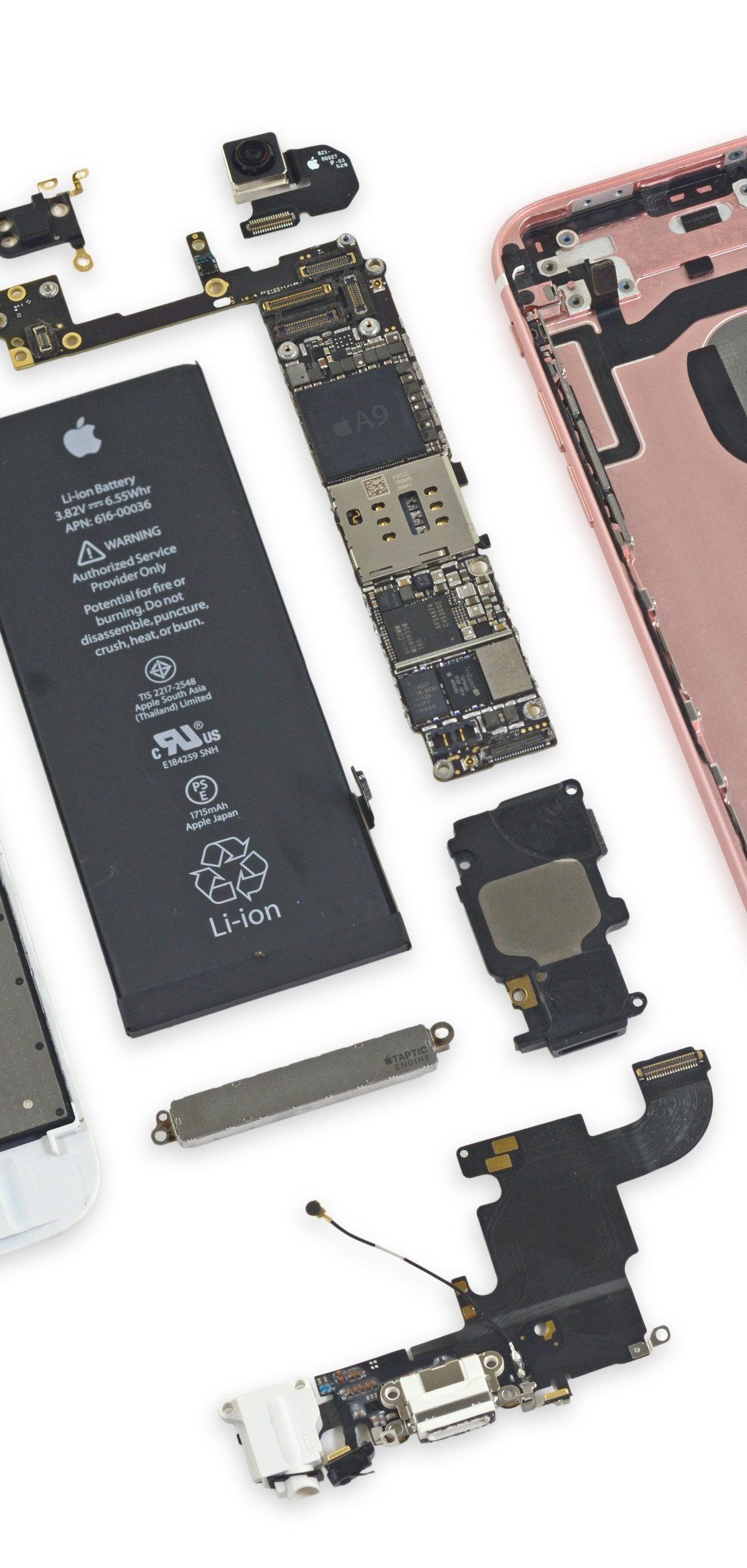
Total cost? About $490.50, TechInsights said. That’s substantially less than the retail cost of the device. Keep in mind, that’s just a bill of goods. The price tag for a product like the iPhone also includes the cost of manufacturing and assembly, the expense of shipping the product to you, the software, marketing, and intangibles such as R&D costs.
Putting a price tag on those things is far more challenging. But is it $600 bucks, the difference between the bill of goods and the $1,099 retail price of the entry-level iPhone 11 Pro Max? You’ll have to make that call for yourself.
How much does it cost to make older iPhones?
Hang on, you’re asking yourself. Has it always been like this? Were older phones cheaper, perhaps … or is Apple making more money off us today than it used to? We’re glad you asked. Let’s take a look at some earlier models.
According to an iFixit analysis of 2018’s iPhone XS Max – the $1,250 256GB model that is – the phone contains about $443 worth of materials. That’s a difference of $807, meaning Apple’s making substantially less on its new phones than it did last year.
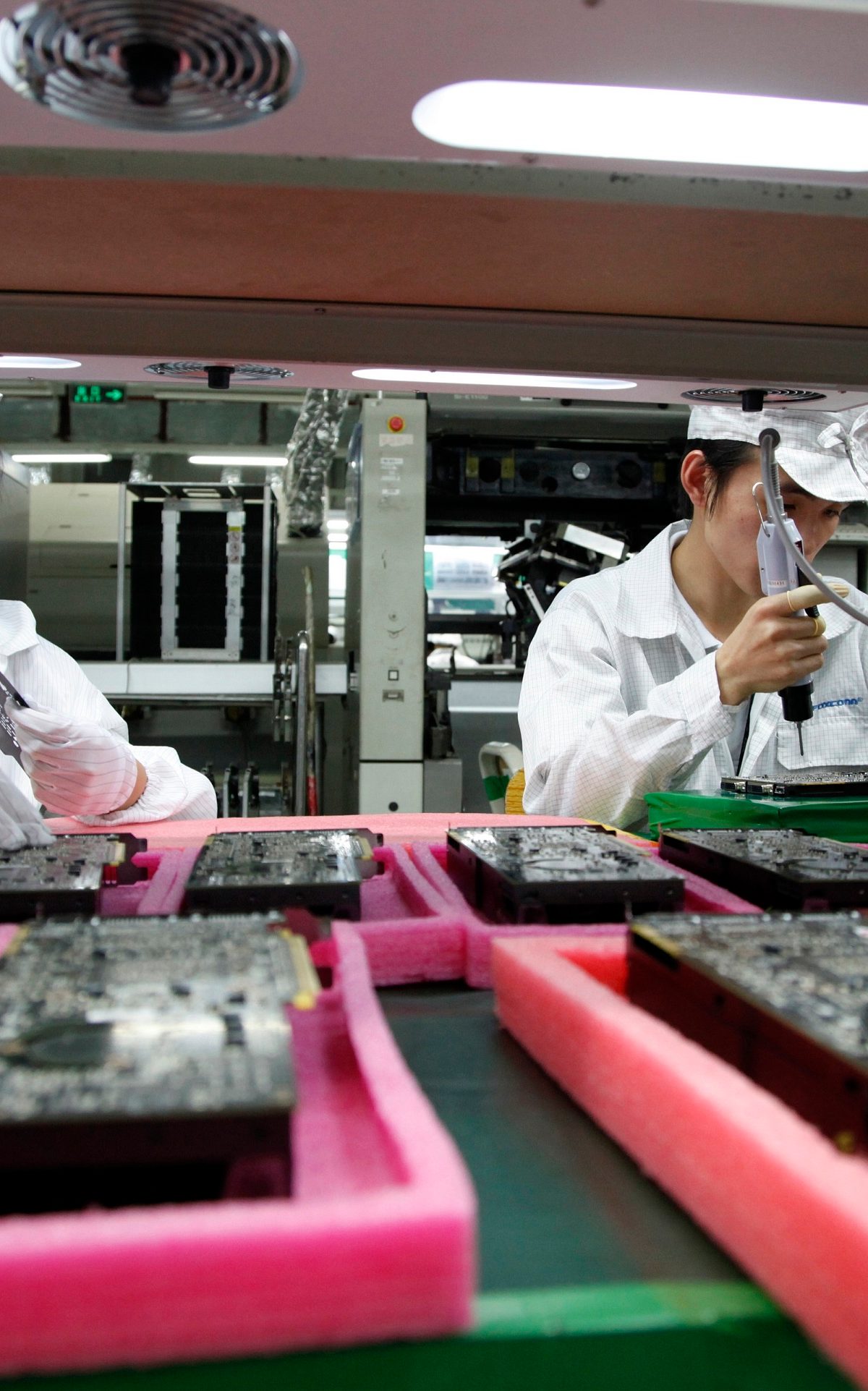
But wait, you say, what about even earlier stuff? Flash back to 2014, when the iPhone 6 came out, and your hair looked way better. (Admit it. It’s true.) A teardown analysis of that 16GB model, which sold for $649 at the time, revealed said that components and manufacturing costs added up to $200.10, or about $450 less than Apple charged you at the time. Time magazine noted at the time that the price tag was more than three times the cost of components and manufacturing.
Clearly, iPhone parts have gotten substantially more expensive, and there’s more stuff overall getting crammed into phones, especially camera lenses. And keep in mind that the earlier analysis includes manufacturing costs, something TechInsights did not.