1. Home
  2. Phones
  3. Apple
  4. Business
  5. Mobile
  6. News

Digital Trends may earn a commission when you buy through links on our site. Why trust us?

Did you buy an iPhone 7 or 7 Plus? So did nearly half of recent iPhone buyers

New report says 17 percent of Android users made the switch to an iPhone 7

Add as a preferred source on Google

It may not be all that different from its predecessors, but it looks like we’re still eager to purchase the iPhone 7.

According to a new report from Consumer Intelligence Research Partners (CIRP), sales of the new iPhone 7 and 7 Plus comprised an impressive 43 percent of all the iPhones sold in the third quarter of 2016. Considering the newest iteration of the iPhone was only around for two weeks of the entire three-month period, that is a pretty impressive achievement.

Recommended Videos

CIRP found the iPhone 7 accounted for 31 percent of all iPhone sales in the last quarter, while the iPhone 7 Plus made up 12 percent. “In a quarter with only two weeks of sales, iPhone 7 and 7 Plus grabbed significant share of iPhones sold,” CIRP co-founder Josh Lowitz said in a statement. “We attribute this to slow iPhone sales in the weeks leading up to the launch of these two new models, as well as a positive reception for the new 7 and 7 Plus models. It’s difficult to compare this launch to the September 2015 launch, when the iPhone 6S and 6S Plus, which were available for less than a week, accounted for 24 percent of sales in the quarter.”

This may come as something of a surprise to some analysts, who noted that the relatively minimal design changes between the iPhone 7 and iPhone 6 may not have been enough to convince buyers to make the switch. But at the very least, the newest iPhone is off to a very healthy start. All the same, whether or not the phone can maintain this initial momentum has yet to be determined. After all, the iPhone 7 and 7 Plus may become much less popular this holiday season when the novelty of a new phone has worn off and cell phone providers stop offering upgrade programs as incentives.

That said, thus far, the iPhone 7 has proven quite popular, and has even convinced quite a few Android users to make the switch, more so than the previous launch of the iPhone 6s and 6s Plus. In fact, a new CIRP report notes that the number of customers who went from Android to Apple was up to nearly 17 percent this year.

So while the iPhone 7 may not have made waves in the same way that the iPhone 6 did, it’s still doing a pretty solid job of getting folks excited.

Article originally published in October 2016. Updated on 11-16-2016 by Lulu Chang: Added reports that iPhone 7 launch increased Android switchers as high as 17 percent.

Lulu Chang
Fascinated by the effects of technology on human interaction, Lulu believes that if her parents can use your new app…
TSMC might set up a price hike that could come straight for your next phone, laptop, or tablet
Here's what TSMC's rumored 10% chip price increase actually means in dollar terms, and why your next phone or laptop could end up costing more.
TSMC Fab

My wallet flinched the second I saw the words "TSMC" and "price increase" in the same headline, and honestly, yours should too.

Turns out the company behind the silicon powering basically every flagship device out there, including Apple’s A-series and Qualcomm’s Snapdragon processors, is reportedly about to make all of it a little pricier.

Read more
Samsung’s free storage doubling for preorders is gone in Austria, and the replacement isn’t as sweet
Samsung's free storage doubling deal might just be history.
The back of the Galaxy Z Fold 7

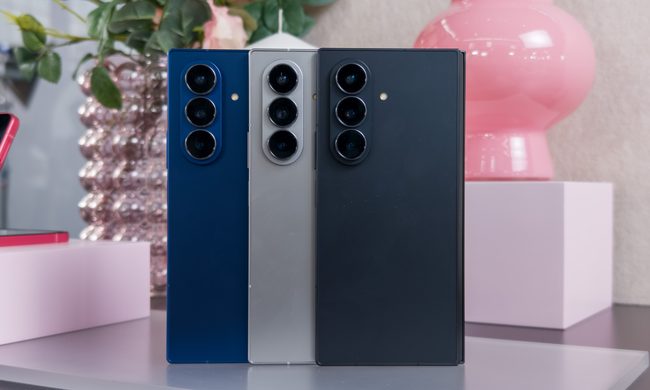
If you've pre-ordered a Samsung foldable purely for the free storage bump, tomorrow's Unpacked event might sting a little.

For years, pre-ordering a new Galaxy meant automatically getting double the storage at no additional charge. Buy the 128GB model, walk away with 256GB for the same price. The same applied to the 256GB and 512GB models. However, that might change at the upcoming Galaxy Unpacked event. 

Read more
Apple fixes Hide My Email bug that exposed users’ real email addresses
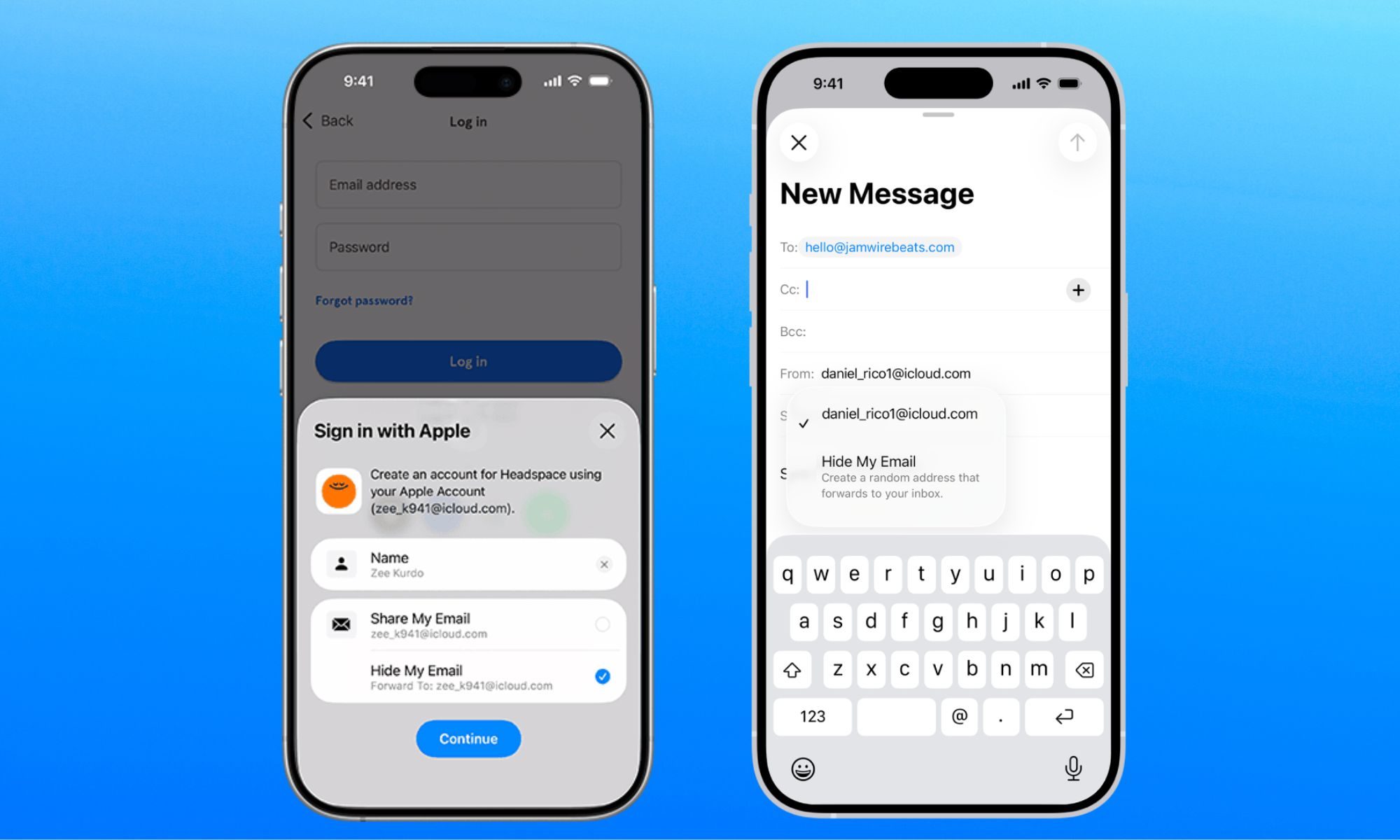
Here's how Apple's Hide My Email flaw leaked real addresses for over a year, and why it only got fixed once the story went public.
apple-merging-sign-in-with-apple-hide-my-email-icloud+

Turns out the "Hide" part of Hide My Email wasn't doing its job quite as advertised, something that I covered early in July. Security researcher Tyler Murphy reported the flaw in June 2025, but despite Apple claiming it was resolved in March 2026, independent tests confirmed it remained exploitable, at least until July 3, 2026.

So how did this bug actually work?

Read more