1. Home
  2. Phones
  3. Computing
  4. Mobile
  5. News

Microsoft quits its creepy, emotion-reading A.I.

Add as a preferred source on Google

Microsoft announced it will stop the development and distribution of controversial emotion-reading software as big tech companies pivot toward privacy and security. The company also says it will heavily restrict its own facial recognition platform.

Microsoft’s shift away from emotional recognition software is another sign of big tech’s growing prioritization of privacy. The company also admits there is little scientific evidence behind the technology.
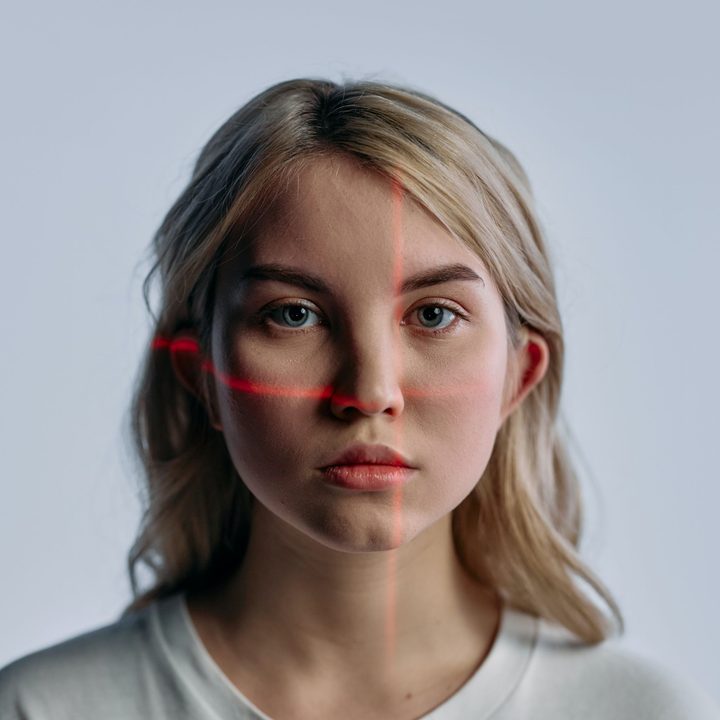
blonde woman with an expressionless face looks at camera while laser lights scan her features
Image used with permission by copyright holder

“Experts inside and outside the company have highlighted the lack of scientific consensus on the definition of emotions,” Natasha Crampton, Microsoft’s Chief AI Officer, wrote in a company blog post. “…and the heightened privacy concerns around this type of capability.”

Recommended Videos

Facial emotion recognition software uses advanced A.I. to determine a subject’s emotional state. It compares a subject’s facial expressions, the size of their pupils, the shape of their mouth, and other visual cues to a database of thousands of photographs of people with different known emotions. The AI then assigns an emotion to the subject.

Microsoft and other tech companies have been working on the technology for several years, along with facial recognition software. The company is making a sudden shift to what they call “Microsoft’s Responsible AI Standard.

Along with the end of emotion recognition tech, Microsoft will join Google and others in restricting access to facial recognition software. Microsoft will establish transparency guidelines and what it calls “guardrails” to ensure customers who use facial recognition do so ethically.
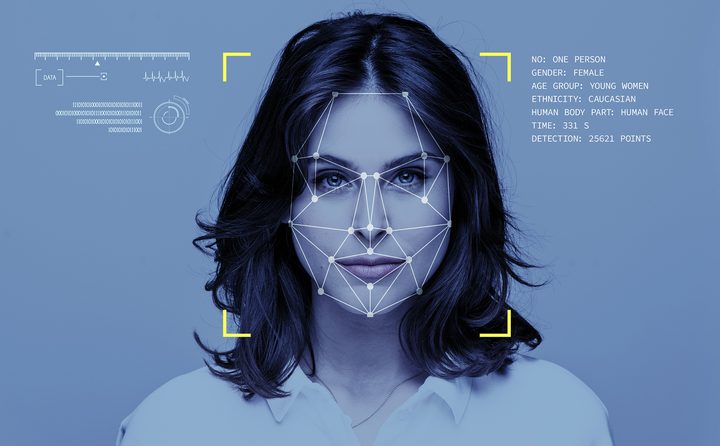
facial recognition
izusek/Getty Images

Google stopped selling facial recognition products in 2018, citing the need for more secure policies around the technology. IBM stopped supplying government and police agencies with facial recognition technology in 2020 in the aftermath of the George Floyd killing in Minneapolis. Meta (the company formerly known as Facebook) shut down its facial recognition programming in 2021 and stopped identifying people in photos uploaded to Facebook.

Azure Face, the artificial intelligence system Microsoft built to provide facial recognition capabilities, is used mainly by private businesses in health care and research, with some local government agencies using it to track people in public. Although Microsoft doesn’t publish exact details about their customers, data shows at least 356 current Azure Face subscribers.

Microsoft’s facial recognition customers will have one year and then will lose access to Azure Face.

Nathan Drescher
Former Computing Writer
Nathan Drescher is a freelance journalist and writer from Ottawa, Canada. He's been writing about technology from around the…
Apple reportedly wants to sell 10 million foldable iPhones, but the starting price could give you serious sticker shock
Nikkei Asia reports Apple has raised its iPhone Ultra production target to around 10 million units ahead of the September launch.
Electronics, Mobile Phone, Phone

Apple is planning a bigger production run for its first foldable iPhone than previously expected, according to a new report from Nikkei Asia. The company has reportedly told suppliers to prepare around 10 million iPhone Ultra units for 2026, up from earlier estimates of 7 to 8 million.

A 30% jump in the build target

Read more
The iPhone 18 Pro could launch in these three colors, and black still isn’t one of them
Three colors, no black, and a Dark Cherry that's meant to do what Cosmic Orange did last year.
Apple iPhone 17 Pro White

iPhone Pro fans who were hoping Apple would bring back a dark color option this year might not be happy after reading this.

According to a new leak from Weibo tipster Instant Digital, the iPhone 18 Pro could launch in just three colors: Dark Cherry, Light Blue, and Silver-Gray. You see? Black or dark gray is not on the list.

Read more
Elon Musk’s SpaceX could be making an AI device that’s slimmer than the iPhone
A slim SpaceX AI device prototype has likely been shown to some investors
Elon Musk talks to the press as he arrives to to have a look at the construction site of the new Tesla Gigafactory near Berlin.

SpaceX has reportedly shown investors a prototype of a handset-like AI device that is slimmer than an iPhone. According to The Wall Street Journal, the device is said to run on a proprietary operating system, use a Qualcomm Snapdragon chip, and integrate AI technology from xAI.

The project is still at an early stage, and there is no guarantee that SpaceX will turn it into a real product. The report also does not describe it as a traditional smartphone, which is important. It could be a phone, something closer to a dedicated AI device, or a product that never makes it past the prototype stage.

Read more