1. Home
  2. Phones
  3. Android
  4. Mobile
  5. News

Most Android antivirus apps fail to provide malware protection, study shows

Add as a preferred source on Google

Most Android antivirus apps on the Google Play Store fail to provide users with adequate malware protection, according to a study by AV-Comparatives.

The Austrian antivirus testing company downloaded 250 anti-malware apps from various developers on the Google Play Store. The apps where then checked to determine whether they were able to protect against the 2,000 most common malware threats for Android, through AV-Comparatives’ automated testing framework.

Recommended Videos

The tests were mostly performed on Samsung Galaxy S9 devices on Android 8.0, but because some apps were not working properly with that set-up, they were instead tested on Nexus 5 devices on Android 6.01. The devices were automated to download and install malware apps, with the presumption that the antivirus apps would be able to block most of the security threats.

Unfortunately, that was not the case. Out of the 250 Android antivirus apps involved in the study, only 23 were able to detect and block 100 percent of the malware samples. The apps include the Android security apps that we recommended about a year ago, namely Avast Mobile Security, Avira Antivirus Security, AVG, Sophos Mobile Security, and Trend Micro Mobile Security and Antivirus.

AV-Comparatives revealed that 80 of the 250 apps were able to detect over 30 percent of the malware, with zero false alarms. The study also found that antivirus apps from 138 vendors blocked less than 30 percent of the malware samples, or had high false alarm rates on clean files from the Google Play Store. There were even 16 apps that were not properly migrated to Android 8, which decreased their protection capabilities on devices running newer versions of Android.

The testing company flagged many antivirus apps that were using a black list approach to tag potential malware, which is easily bypassed by malware creators. They did not actually scan downloaded apps for malware, which is what a legitimate antivirus app should do.

When choosing which Android antivirus app to download, AV-Comparatives recommended against taking a look at user ratings and download counts, as they can be faked and do not prove that an app provides proper malware protection. Instead, the testing company recommended using only apps of “well-known, verified and reputable” vendors, which participate in tests carried out by independent institutes and have professional websites that provide contact information and a privacy policy.

Aaron Mamiit
Aaron received an NES and a copy of Super Mario Bros. for Christmas when he was four years old, and he has been fascinated…
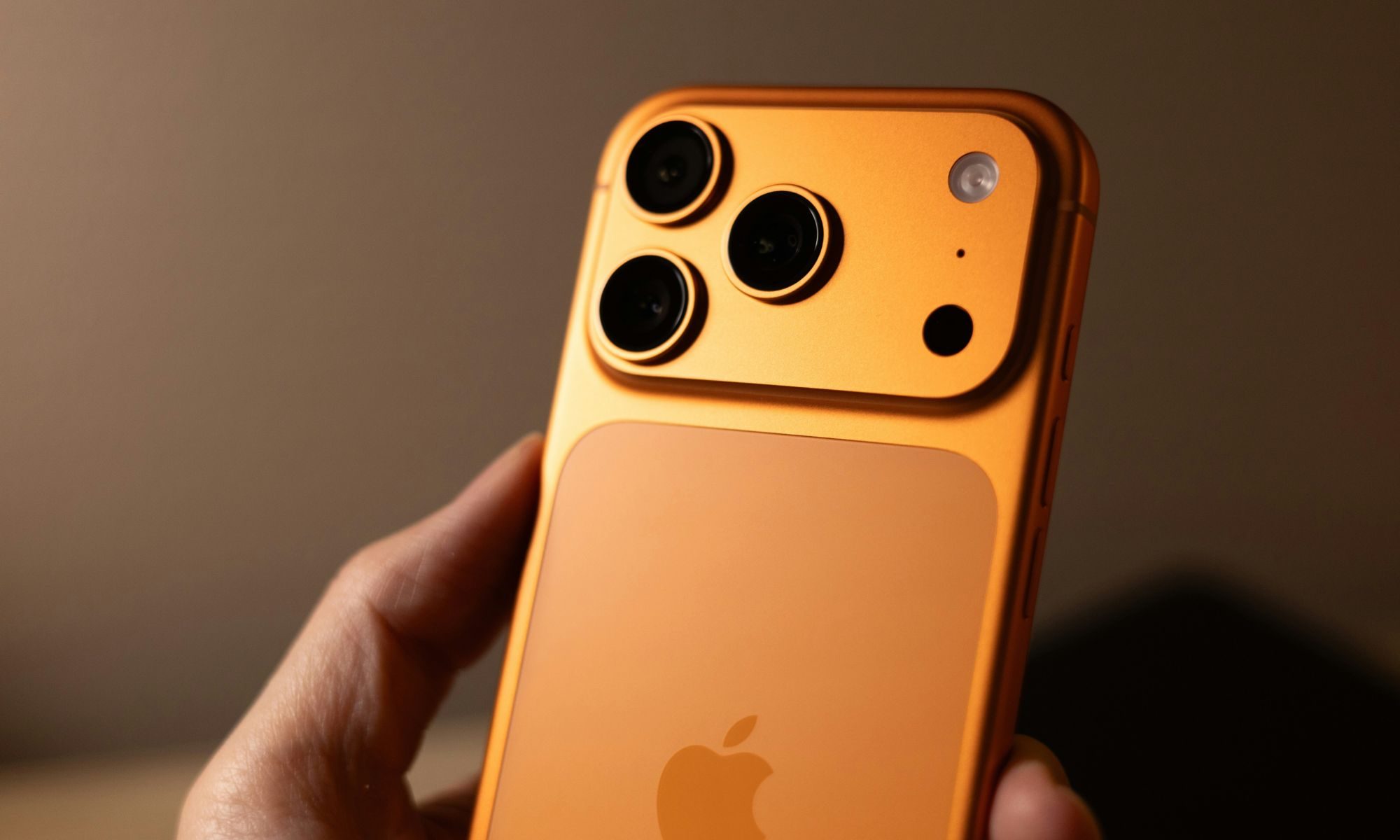
Apple’s next big iPhone display experiment could be its biggest yet
The company may be testing a 6.96-inch panel for a future flagship, although one leaker’s post is currently the only source for the exact measurement
iPhone 17 Pro Max

Apple may be testing a 6.96-inch display for a future iPhone, bringing its largest handset within a whisker of the 7-inch mark.

Leaker Digital Chat Station claims the experimental panel retains the same aspect ratio as Apple’s current Pro Max display. The post mentions the iPhone 20 Pro Max as a possible destination, but doesn’t connect the screen to a finished device. Apple could be exploring the size without putting it anywhere near a production line.

Read more
Vibecoded apps are flooding Apple’s App Store, and users are getting sick of them
App Store submissions have doubled this year as AI tools make it easier than ever to build an app, but downloads haven't kept pace, and for good reason.
Apple App Store homepage on an iPhone

Apple's App Store is in the middle of its steepest submission surge in years. Developers submitted nearly 600,000 new apps last year, marking a 30 percent jump over the previous year. That number has already doubled to roughly 560,000 new apps in just the first six months of this year, according to estimates from analytics firm Sensor Tower cited by the New York Times. The reason behind the spike is vibecoding, which allows people with no prior development experience to create new apps using AI tools.

A familiar boom, with a twist

Read more
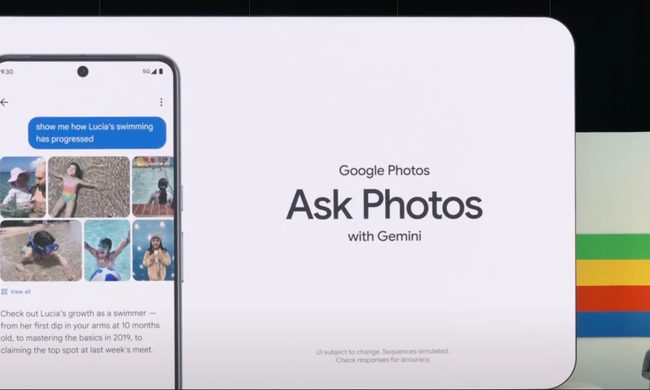
Google Photos adds a quick toggle between AI and classic search
Classic search is finally easier to reach for people who enabled Ask Photos
Google's Ask Photos debut.

Google Photos is giving users an easier way to leave its Gemini-powered search when a simple keyword would do. A new toggle now sits at the top of the results page, letting users switch between Ask Photos and classic search without digging through settings.

The change appears to address feedback from people who opted into Ask Photos but wanted a quicker way to return to classic search when Gemini was slower or less useful for a straightforward query.

Read more