  1. Home
  2. Phones
  3. Mobile
  4. News

Motorola is doing something big on June 25

Add as a preferred source on Google
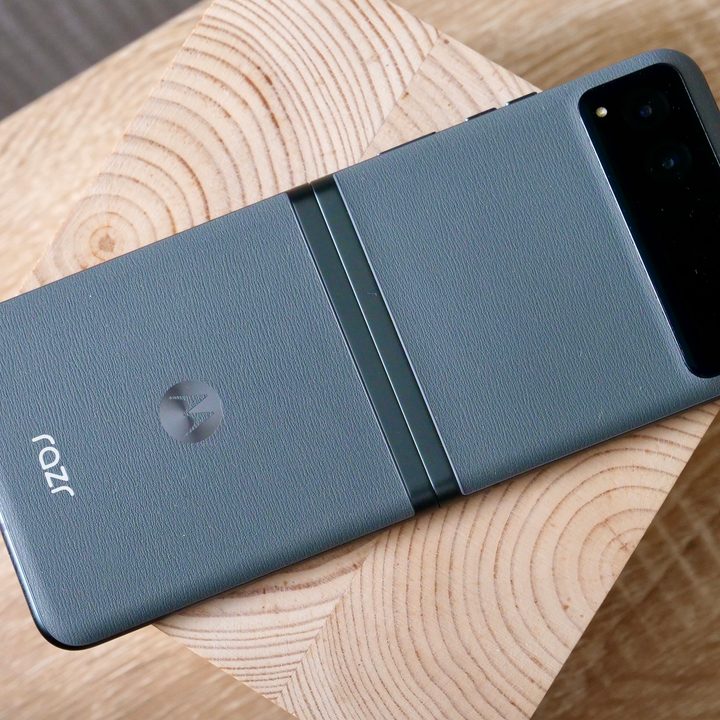
The open Motorola Razr 40, seen from the back.
Andy Boxall / Digital Trends

Motorola has announced its next big event, which will take place on June 25, 2024. With the sayings “Flip the script” and “Intelligence inside and out,” we can safely assume the event will showcase the next Razr lineup and some AI features.

In its post on X (formerly Twitter), Motorola simply teases that its next event is coming next week. Again, the slogan for this is “Flip the script,” so it’s pretty much guaranteed that we are going to see the Razr 2024 and Razr Plus 2024, as those devices are teased in the clip, too.

Recommended Videos

Intelligence inside and out. Discover more on 06.25.2024. #FlipTheScript pic.twitter.com/y84930QeSc

— motorola (@Moto) June 17, 2024

Another big trend in mobile has been the addition of AI, with even Apple being the latest to announce its own AI tools. It appears that Motorola is set on showing off a suite of AI features coming to the Razr lineup, as it teases “intelligence inside and out.”

We do know a few things about the next Razr series already, thanks to the rumor mill. The Razr 50 — likely to be called the Razr (2024) in the U.S. — will have a larger cover display than its predecessor, coming in at a 3.63-inch panel instead of a 1.5-inch panel like on the 2023 version. If Motorola keeps this budget-friendly option at the same $699 price, then this is a big improvement.
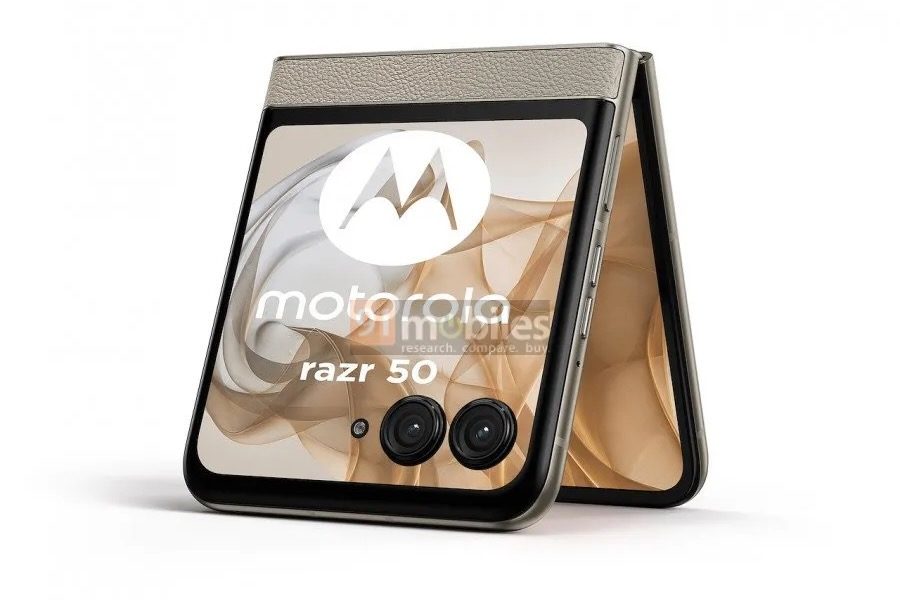
Motorola Razr 50/Razr (2024) mockup.
A leaked render of the Razr (2024) 91Mobiles

The higher-end Razr Plus (2024) may have a 4-inch cover display this year instead of the 3.6-inch display from the 2023 model. Both Razr models will feature a large 6.9-inch inner display with a better refresh rate than before.

Camera-wise, the Razr (2024) could be equipped with a 50-megapixel main camera and a 13MP telephoto camera. The Razr Plus would have a 50MP main camera and a 50MP telephoto camera with 2x optical zoom.

On the inside, the Razr (2024) might have a MediaTek Dimensity 7300X chip with 8GB RAM, while the Razr Plus (2024) will have the Snapdragon 8s Gen 3 with 12GB RAM. The Razr will reportedly have a 4,200mAh battery, while the Plus will likely have an upgraded 4,000mAh battery with up to 45W wired charging speeds.

With only a week away from Motorola’s event, it won’t be long until we see the next generation of its popular flip phone.

Christine Romero-Chan
Christine Romero-Chan has been writing about technology, specifically Apple, for over a decade. She graduated from California…
Android desktop mode made me miss my laptop in record time
I tried writing and publishing from Google’s phone-to-monitor setup, and the future of mobile computing immediately started sweating.
Computer, Electronics, Laptop

Android 17 desktop mode has a very simple pitch. Plug your phone into a monitor, add a keyboard and mouse, and watch the slab in your pocket pretend to be a computer. I wanted to give that pitch a fair shot, so I tried using it for an actual workday instead of a cute demo.

The goal was boring on purpose: write an article, edit it, build the page in WordPress, upload whatever needed uploading, and publish the thing without running back to my laptop like a coward.

Read more
After test-driving iOS 27, my iPhone still doesn’t feel like it has made a substantial leap
Siri learned new tricks. Safari got smarter tabs. My morning routine didn't change at all.
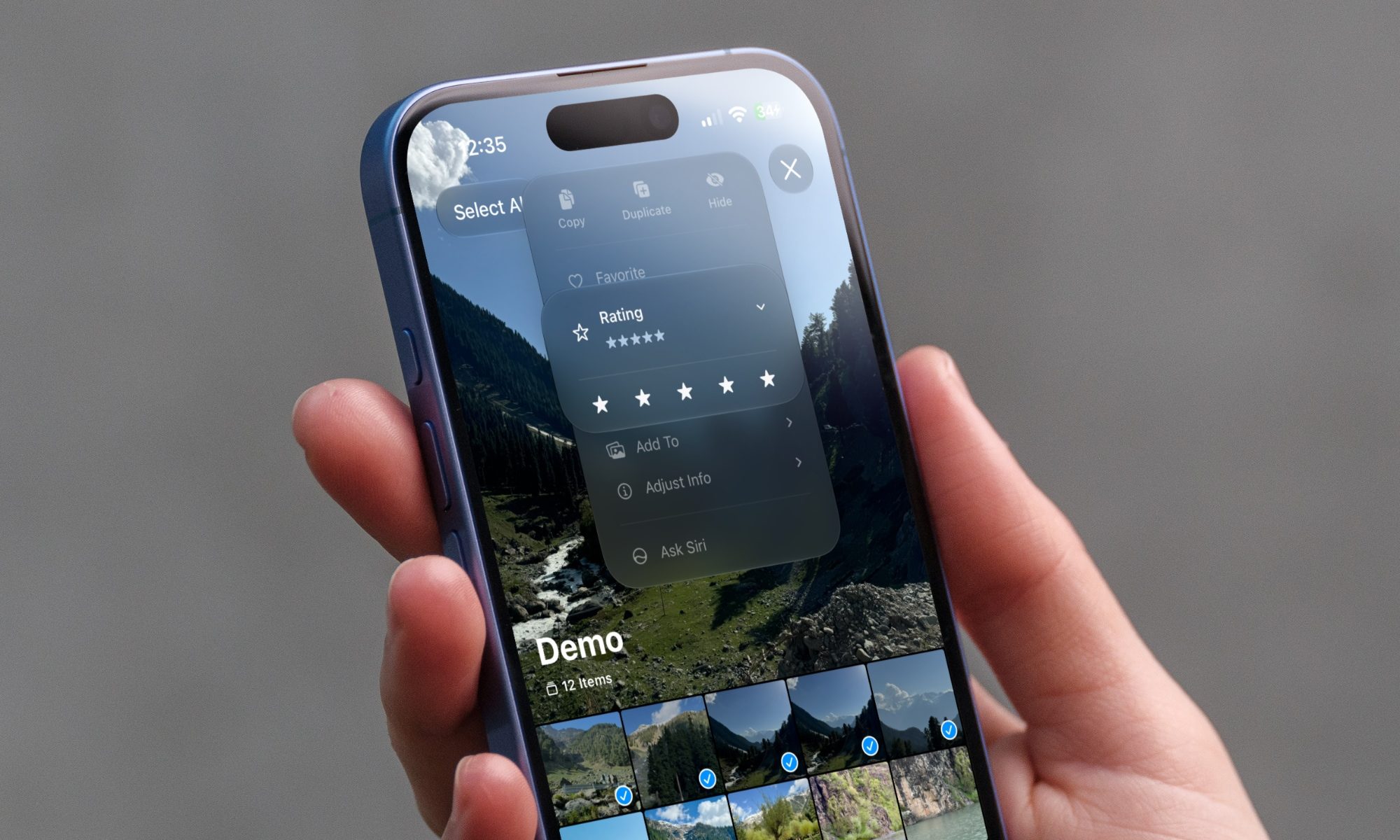
iOS 27 new star rating feature in Photos

Every June, after Apple wraps up its annual WWDC keynote, I install the latest iOS beta on my iPhone, watch the progress bar crawl to completion, and wait for the inevitable restart. For years, picking up my phone afterward felt almost identical to how it did before the update. 

I saw the same grid of icons, the same Control Center, and the same version of Siri until iOS 26 finally broke that pattern in 2025.

Read more
Android 17 makes a strong case for ignoring Android version numbers entirely
When the most noticeable change is a better Quick Settings button, the annual update cycle starts looking more like branding than progress.
Android 17 logo.

Android 17 finally separated the Wi-Fi and mobile data buttons, and I hate how much that improved my mood. For years, Android treated internet access like one mysterious blob, as if Wi-Fi and cellular data were emotionally codependent. In Android 17 Beta 3, Google split the old combined Internet button into separate Wi-Fi and mobile data tiles, making each connection easier to switch off with a single tap.

That’s a good change, which is also why it’s a little damning. When one of the cleanest wins in a major OS update is “the buttons make sense again,” the celebration gets awkward fast.

Read more