1. Home
  2. Phones
  3. Mobile
  4. News

Digital Trends may earn a commission when you buy through links on our site. Why trust us?

Could a mobile app help prevent unwanted pregnancies? Natural Cycles says yes

Add as a preferred source on Google

On Thursday, Natural Cycles became the first app approved for contraception in Europe. So ladies, forget popping that pill every day or going in for an IUD — you could just head to the App Store. Natural Cycles employs its proprietary algorithm to monitor female fertility, and apparently, it is so accurate that it can now be prescribed along with (or instead of) condoms or the pill. It has been given the official green light by German testing organization Tüv Süd, a certification body used by the Department of Health to determine the safety of emerging drugs and medical devices.

Natural Cycle’s 100,000 users currently input their daily basal body temperature — they can take these measurements precisely using the company’s basal thermometer, which can be calibrated through the app. These data points are compared against Natural Cycle’s datasets to determine users’ fertility (during ovulation, women’s body temperatures rise up to 0.45 degree Celsius).

Recommended Videos

When it’s safe for users to have sex without the risk of pregnancy, the app shows a green day in its calendar interface. When they will need to use a condom or another form of contraception to prevent pregnancy, the day will show as red.

Natural Cycles’s algorithm was developed by co-founder Elina Berglund, who was part of the team at CERN (the European Organization for Nuclear Research) that helped discover the Higgs boson particle. “I wanted to give my body a break from the pill,” she told Wired, “but I couldn’t find any good forms of natural birth control, so I wrote an algorithm for myself.”

And it looks as though that algorithm really works. In conducting their tests, Tüv Süd found that over the course of a year, 143 unplanned pregnancies occurred, but only 10 occurred on green days. That gave Natural Cycles a 99.5 percent efficacy rating, which is the same as the pill. An efficacy rating, however, is not the same as being 99.5 percent effective.

Co-founder Raoul Scherwitzl also noted to Wired that the firm is already discussing making Natural Cycles free as well (as it stands, users pay 7 pounds a month (just under $9).

While this approval is a huge step forward for the app, which has recently been updated along with a redesigned website, experts warn that Natural Cycles should still be taken with a grain of salt (or perhaps with another form of contraception). “Natural Cycles is not recommended to those who are very young or very keen to avoid a pregnancy since there are other more effective methods,” said Kristina Gemzell Danielsson, from Swedish medical institute Karolinska Institutet. “The efficacy is far below that of intrauterine contraception or implants, but similar to that of the pill when used in real life.”

To learn more about Natural Cycles and its approval, check out the full blog post here.

Download for iOS

Lulu Chang
Fascinated by the effects of technology on human interaction, Lulu believes that if her parents can use your new app…
The Galaxy Z Fold 8 is genuinely cool, but I’d pay up for the Z Fold 8 Ultra
The Ultra costs $200 more than the Fold 8, and I’m ready to pay the premium.
Computer, Electronics, Tablet Computer

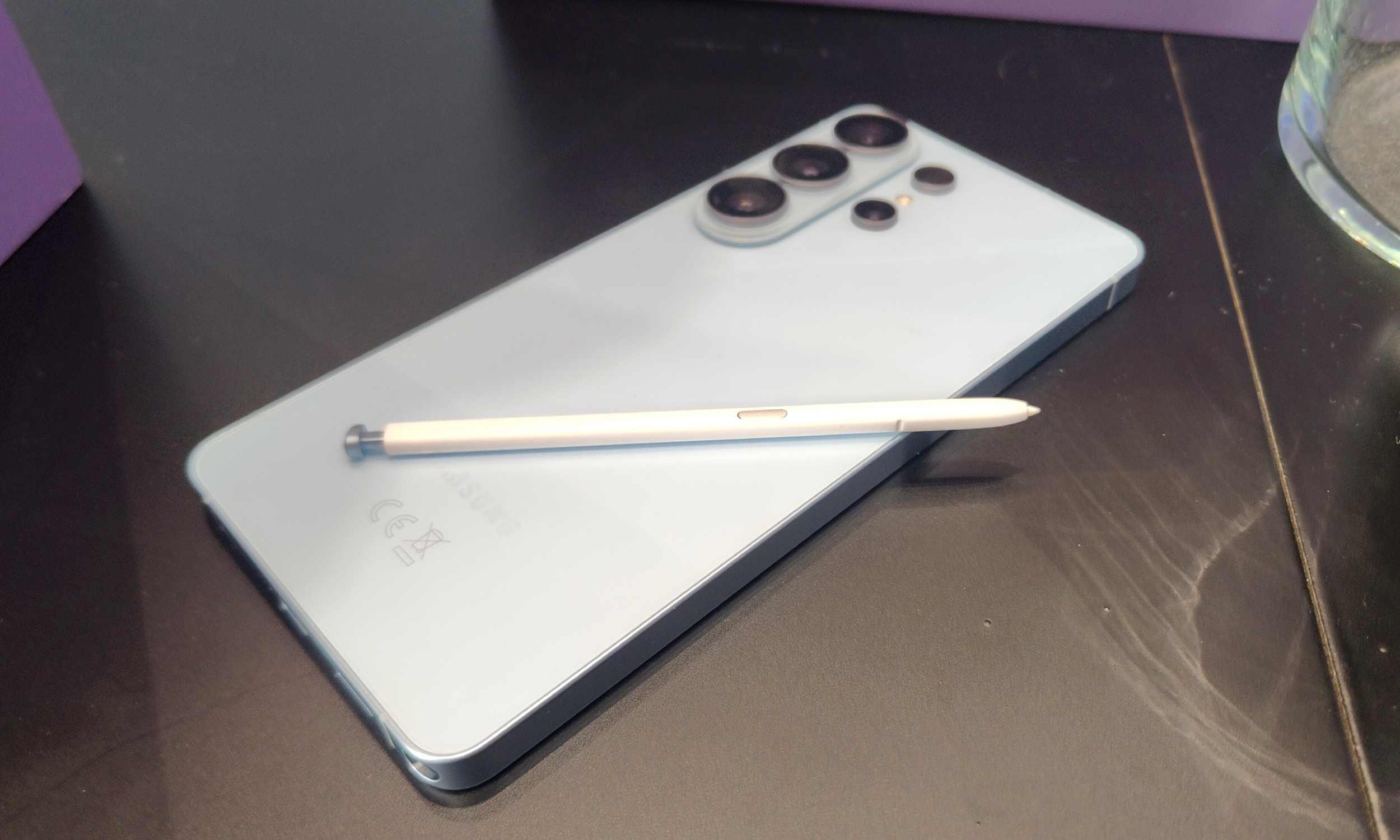
Samsung did something genuinely interesting at Galaxy Unpacked 2026. For the first time in the history of its Galaxy Z foldable lineup, it split the book-style foldable line into two entirely different devices. Whether it had something to do with Apple’s purported iPhone Ultra is a conversation for another time, but for now, anyone visiting a Samsung experience center has two Fold phones to choose from: the new Galaxy Z Fold 8 and the Galaxy Z Fold 8 Ultra. 

The Fold 8 is wider, lighter in hand, and built specifically for one-hand use on the cover screen and content consumption on the inner screen. The Fold 8 Ultra, on the other hand, carries forward the tall and thin design. After spending some hands-on time with both devices, I’ve come to a conclusion.

Read more
EU’s Starlink alternative is finally moving beyond the planning stage
IRIS² will provide secure satellite connectivity for European defence, security, and emergency services
IRIS2 satellite constellation

While SpaceX is trying to take on Verizon, AT&T, and T-Mobile with its own mobile network, the European Union is moving in a very different direction. It wants a satellite network it can control itself.

The European Commission and the SpaceRISE consortium have now signed an implementation agreement for IRIS², the EU’s secure satellite connectivity programme. The deal adds another 66 satellites to the project, taking the planned constellation to 348 spacecraft in total. Of those, 330 will operate in low Earth orbit and 18 in medium Earth orbit. First launches are targeted for 2029.

Read more
My next phone has to earn its retirement
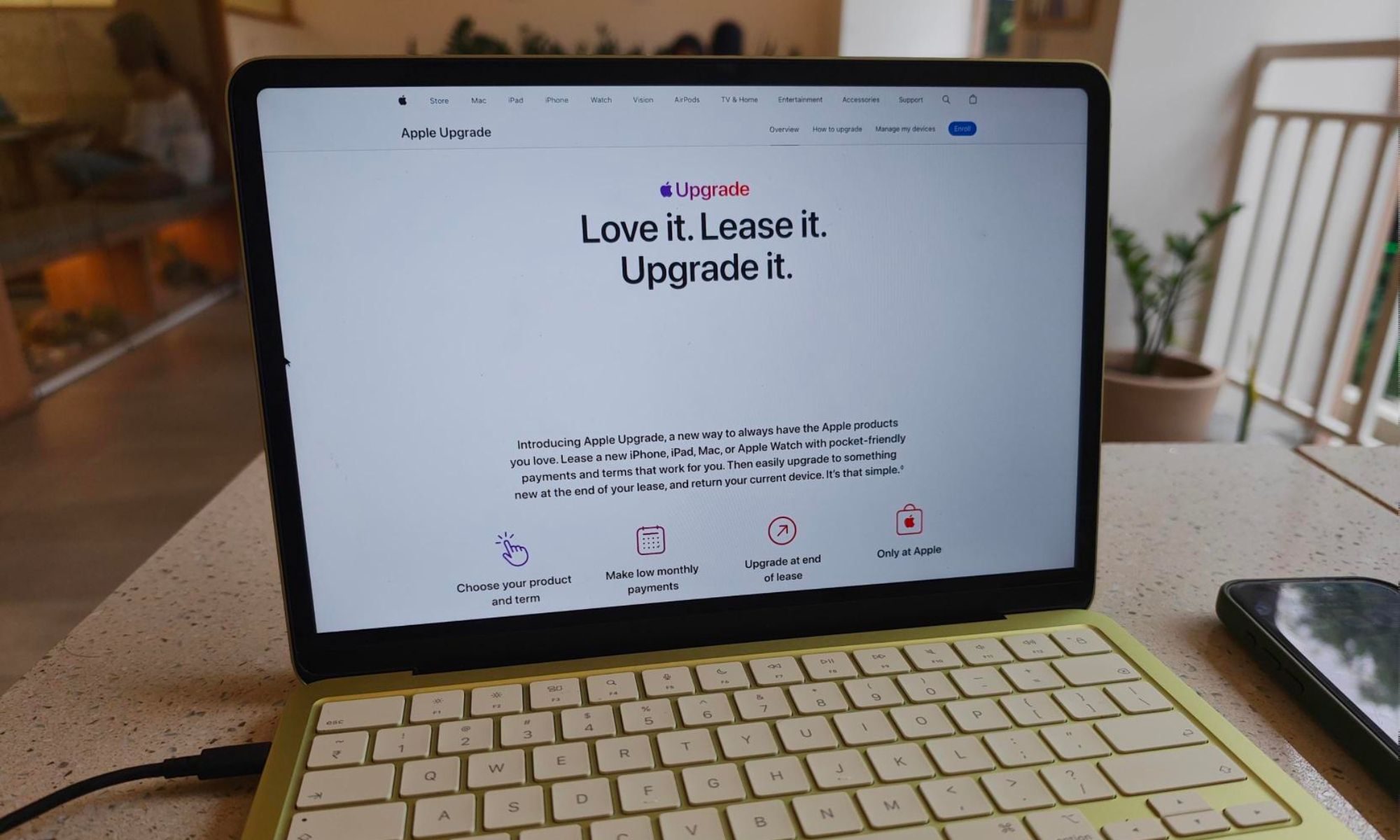
Phones are being built to last seven years, even as the industry keeps trying to restart the upgrade conversation every twelve months
Pixel Studio on the Google Pixel 9.

My next phone is going to have to give me a reason to replace it.

So far, my Pixel 8a is still a champ. It does everything I need, it still feels fast, and nothing about using it day to day makes me think I should be shopping for a replacement. Newer phones have arrived with faster chips, brighter screens, better cameras, and increasingly ambitious AI features, yet none of them has made the phone in my pocket feel particularly old.

Read more