Smartphone accessories can feel a bit drab at times. You’ve got your power banks, cases, cables, screen protectors, etc. They’re all important, but they usually aren’t very exciting.
However, CES 2025 recently proved that doesn’t have to be the case. This year’s Consumer Electronics Show was home to a few eye-catching accessories, including the Belkin Stage PowerGrip, Anker’s ridiculous 165W Power Bank, and — even more fascinating yet — Swippitt.
Swippitt was one of the last things I saw at CES, and it’s also one of the most memorable. It’s a gadget that promises to end the days of having to charge your phone, and as wild as it sounds, it actually kind of works. Here are my first impressions after getting to see Swippitt in a private demo session during CES.
What in the world is Swippitt?

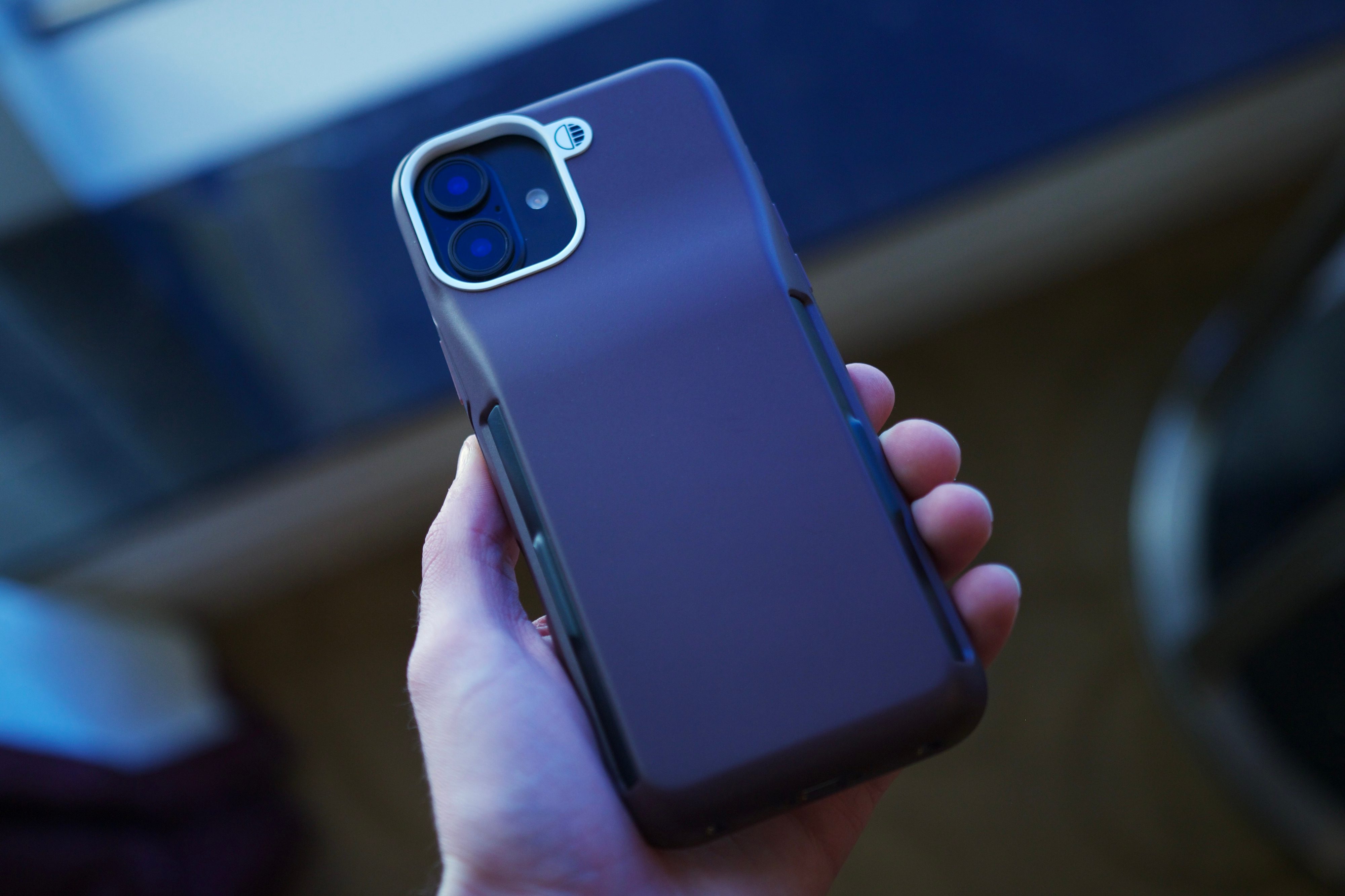
There are three main parts of the Swippitt experience: the Swippitt Hub, the Swippitt Link, and the Swippitt app. The Hub is a rectangular box that sits on your desk or counter. The Link is a case for your phone with an integrated battery near the bottom. Inside the Hub are five additional battery packs. The app shows you charging/battery info for your Hub and Link, and it’s up to you how often or little you want to interact with it.
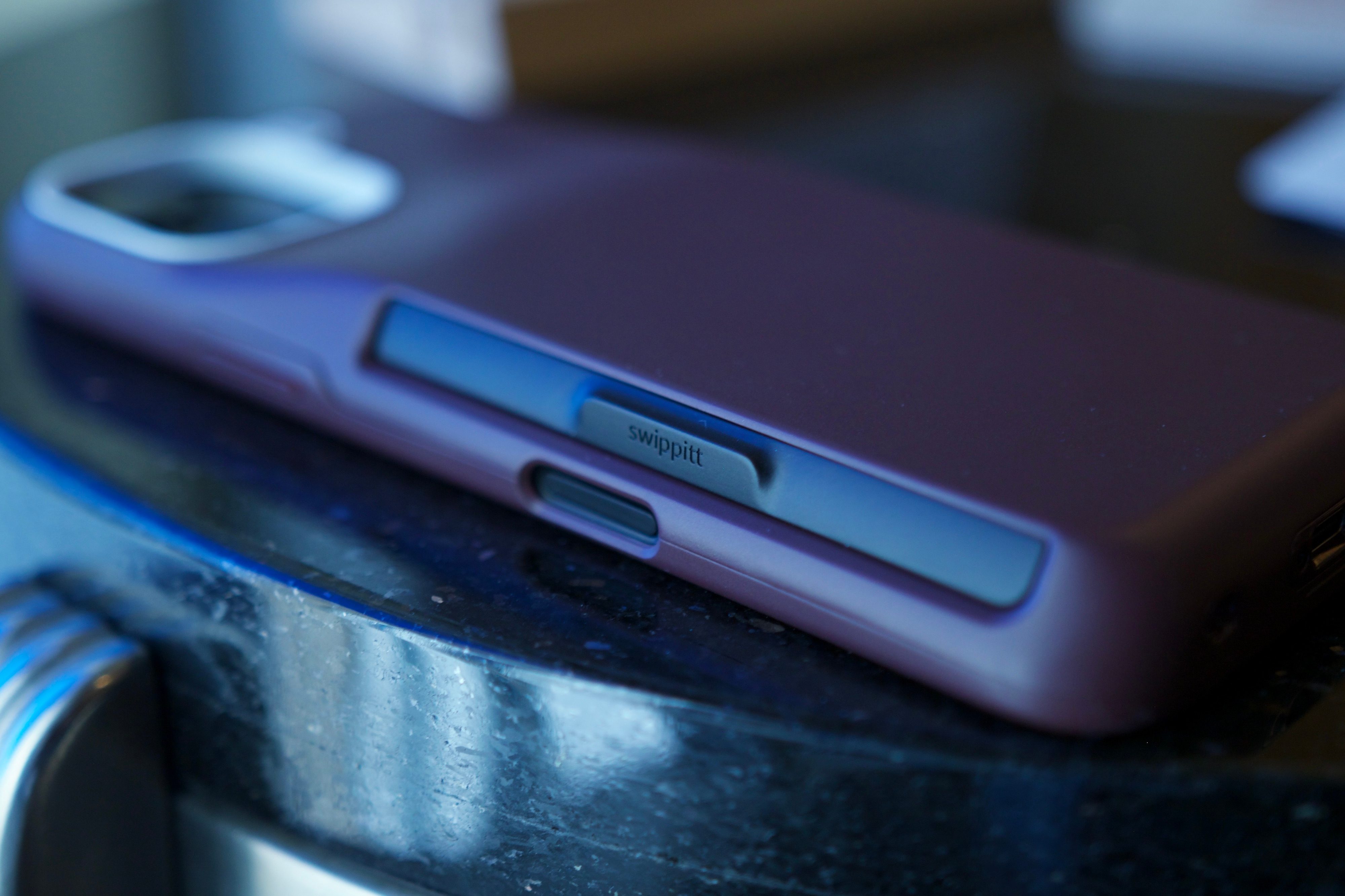
When you put your phone in the Link case, it works like any other battery-equipped case — wirelessly charging your phone while it’s in the case to give you extra juice on the go. Here’s where things get cool. When the battery in the Link case runs dry, you walk over to your Swippitt Hub, put your phone in the opening at the top, and within a couple of seconds, the depleted battery in the case is automatically replaced with a fully charged one — and the dead one goes into the Hub and starts charging.
The idea here is that you’ve always got access to a fully charged battery whenever you need it. Heading out the door and notice your phone’s battery is running low? So long as you’ve got your Swippitt Link case on, just walk over to your Hub, hold your phone in it for two seconds, and just like that, you’ve got a fresh battery pack ready to take with you.
Swippitt is targeting its Hub and Link system at families — hence the five battery packs inside the Hub. Whether you, your partner, or your kid needs a fresh battery, there should always be one available to use.
Overkill, and with some concerns
The idea behind Swippitt is one of the most creative I’ve seen, and having seen the thing in action, it works just like the company says it does. However, there are some potential concerns.
First, this is admittedly overkill gadget. While it wouldn’t be nearly as tidy or futuristic, you could achieve a similar-ish setup with a few regular battery packs that you keep on a consistent recharging schedule. Swippitt is just a battery-equipped case with a cool way to swap a new battery in, so if all you need is an accessory to keep your phone charged while you’re out and about, there are ample ways to do so.
Second, more practical concerns come to mind. Each Swippitt battery is 3,300mAh. That’s a decent capacity to keep your phone going during a night out, but it’s not enough to charge a modern phone from zero to full. In other words, you’ll still likely run into circumstances where you need to plug your phone in.
There’s also the matter of the case. It felt like a well-made and high-quality case during my demo session, but it’s also big. This is to be expected with a battery case, but it’s also something that shouldn’t be overlooked. It didn’t feel so big that it was unusable, but it was larger than I generally prefer for my phone cases.
Keep the quirky smartphone gadgets coming

While I have my concerns with Swippitt, I’m still thrilled that the gadget exists. I’m not sure it fits into my life, but I can see this being something of a godsend for big families with forgetful kids who never remember to charge their phones. Swippitt doesn’t necessarily end the days of needing to charge your phone, but it ensures instant access to a full and convenient battery pack whenever you need it.
That’s a solid idea for a gadget, and Swippitt’s execution seems strong. The Hub looks great, the cases are solid, and there’s something futuristic and fun about putting your phone into a box and instantly getting a new battery.
If you’re interested in getting Swippitt for yourself, the good news is that preorders are open now, with shipments expected to begin in June. The Hub starts at $450, and each Link case is $120. Swippitt currently offers Link cases for the entire iPhone 14, iPhone 15, and iPhone 16 ranges, with support for Android smartphones coming “later in 2025.”