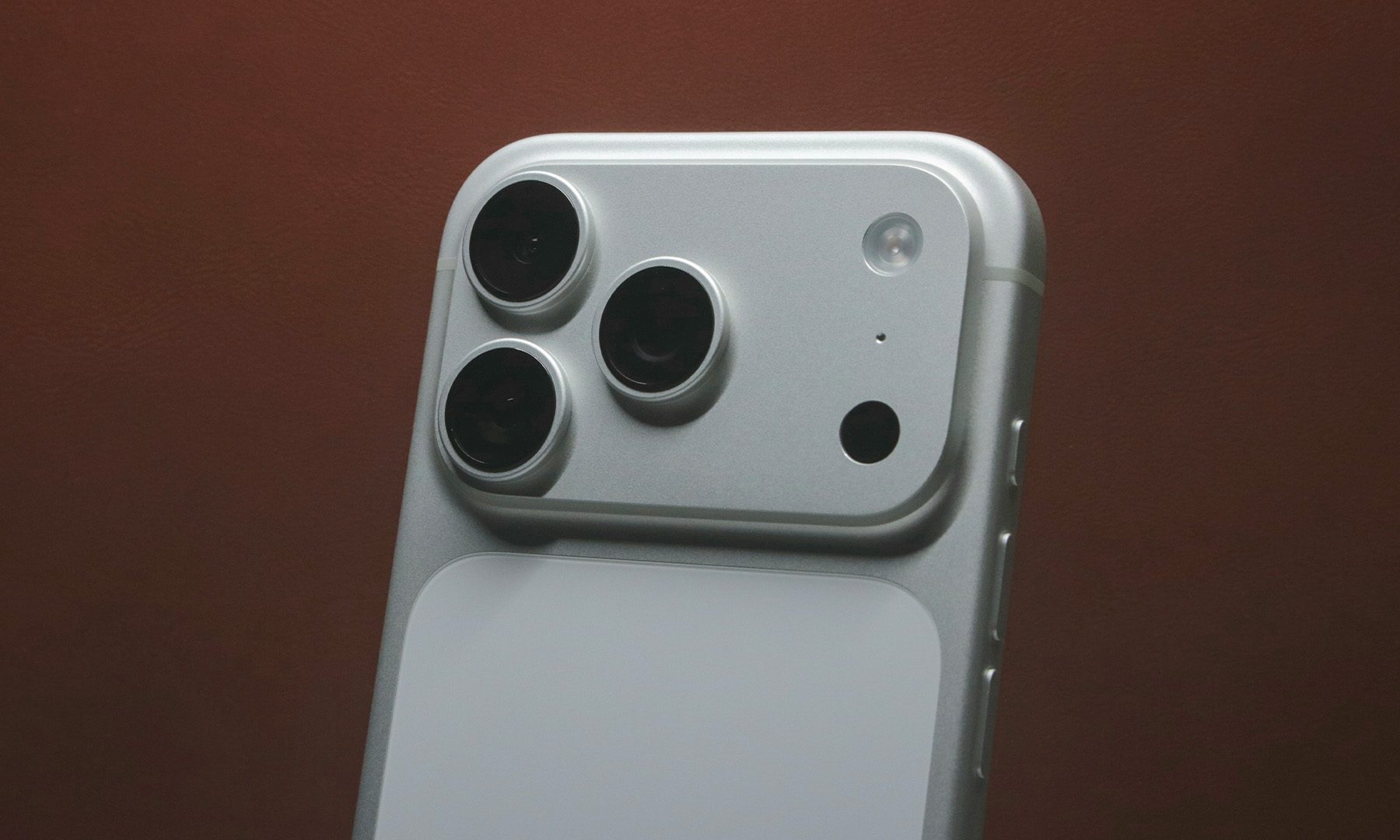
What’s happened? Apple’s long-term iPhone roadmap, outlined in a new report from Bloomberg’s Mark Gurman, sheds fresh light on the fate of the second-generation iPhone Air.
- Last week, The Information reported the iPhone Air 2 may have been pushed to 2027 due to weak sales and Apple’s plans to add a secondary rear camera.
- However, Gurman now suggests that this interpretation misses the bigger picture.
- Apple never intended to tie the Air to its annual number-based iPhone cycle in the first place, which is why it’s named “iPhone Air” rather than “iPhone 17 Air.”
- The report adds that the second-generation model “hadn’t actually been earmarked for next year,” meaning 2026, “at least not in recent months.”
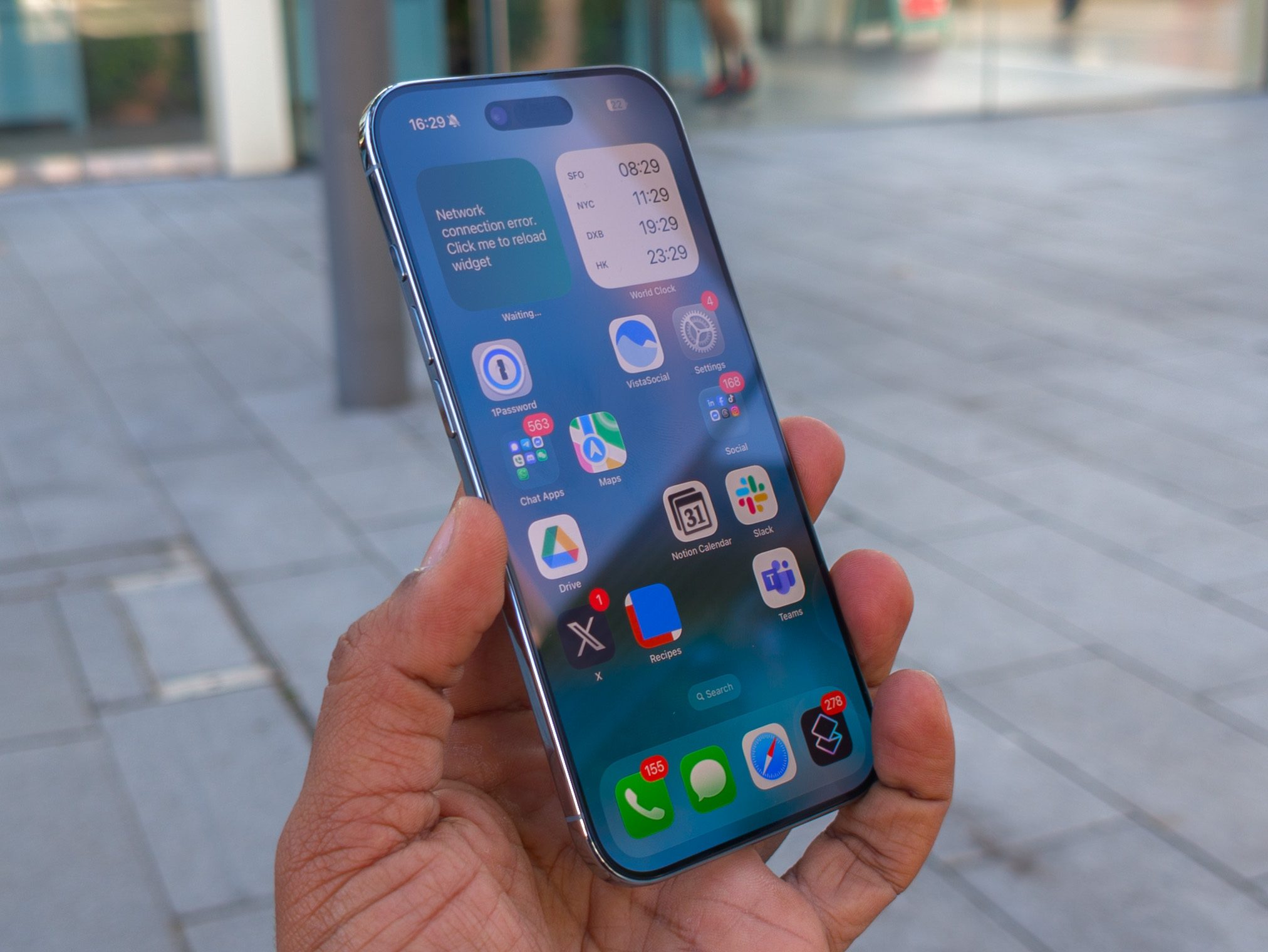
Why is this important? Gurman is among the most reliable industry insiders, which makes his latest commentary particularly noteworthy.
- Since Apple never planned a 2026 refresh, the second-generation iPhone Air isn’t being pushed back due to poor demand. Instead, its expected 2027 debut appears to align with the original internal roadmap.
- The report also explains that Apple forecast the iPhone Air to account for only 6 to 8 percent of total new iPhone sales, roughly matching the performance of the iPhone 16 Plus, which it replaced.
- So while the iPhone Air didn’t match the popularity of the mainstream iPhone 17 and 17 Pro models, Apple doesn’t view it as a failure.
- Gurman goes further, calling the iPhone Air “a technology exercise and a prototype en route to the foldable iPhone,” suggesting that its real purpose was to prepare Apple’s supply chain and engineering pipeline for the company’s first folding device.
Recommended Videos
Why should I care? All the engineering advancements the company achieved in creating the iPhone Air will directly benefit its first foldable.
- The second-generation iPhone Air, meanwhile, is expected to feature a next-generation 2nm chip, a move that could significantly improve battery life and thermal performance, two areas where the current model struggles.
- While Apple could technically add a secondary ultrawide camera, Gurman notes that the company may avoid reworking the camera module for a device “that very few people are buying.”
- Most importantly, the iPhone Air 2 isn’t dead. It could return in 2027 with a more powerful chipset.

OK, what’s next? Beyond the Air itself, the report outlines Apple’s plan to split iPhone launches across two major windows each year, a shift designed to stabilize revenue and reduce pressure on employees, engineers, and suppliers.
- In fall 2026, Apple could unveil the iPhone 18 Pro, iPhone 18 Pro Max, and its first foldable.
- Then, in spring 2027, the company may introduce the standard iPhone 18, the iPhone 18e, and the second-generation iPhone Air.
- With as many as three new models slated for that spring window, Apple may even host an additional launch event that year.