  1. Home
  2. Phones
  3. Android
  4. Mobile
  5. News

Tor Browser for Android helps you bid goodbye to pesky trackers and advertisers

Add as a preferred source on Google
Image used with permission by copyright holder

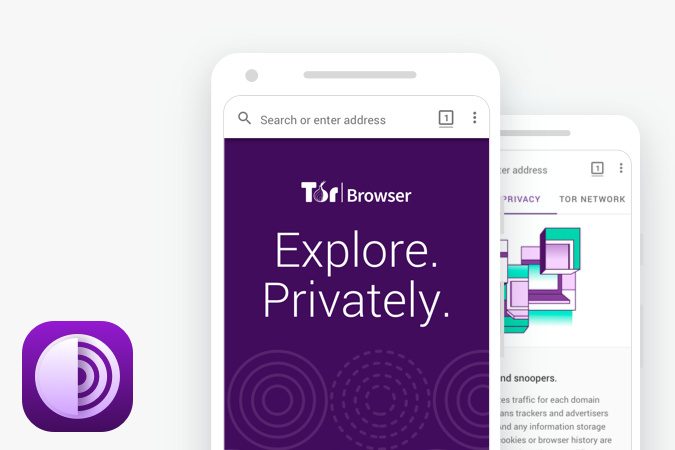
There’s no shortage of ways to make yourself safe and private online, and many of our favorite Android browsers come with security features like incognito modes and tracking protection. But there are places where censorship and heavy surveillance make accessing the internet tough, and for those places, something a little more heavy-duty is required. That juggernaut has finally arrived — a stable version of Tor Browser for Android has released.

For the uninformed, the Tor Project is free and open-source software that prioritizes data security and anonymous communication on the internet. Unlike most browsers, anything Tor-related doesn’t rely on a single connection between you and a website. Instead, connections are bounced between more than seven thousand relays, making it harder to track activity back to the source. In fact, the name Tor itself stands for “The Onion Router” — because the layers of encryption used in the program are nested like the layers of an onion. And, much like ogres, we know onions have many layers.

Recommended Videos

The Tor Browser is built around this same principle, and it makes it much harder for any third parties to track your browsing history and search data. But since this sort of tracking is only one element of online protection, so the Tor Project has built more security-conscious features into the app. NoScript and HTTPS Everywhere are automatically installed and enabled, and all cookies and browser history are cleared after each session. After all, there’s no point having all this security if Joe Schmo can just pick up your phone and browse your history. There are even more security features hidden inside. For example, the browser doesn’t allow screenshots while the app is open — so a rogue app can’t capture images of your screen.

Bets of all, this protection is based on Firefox’s app, so you get all the conveniences we’ve come to expect, including tabbed browsing and a maybe-irrelevant Private Browsing mode.

So whether you’re on the run from a shady government agency or just don’t want ad agencies getting hold of your data, Tor Browser for Android will help to keep your data safe. Unfortunately, it’s currently only available for Android due to restrictions placed by Apple on iOS — but the Tor Project recommends using Onion Browser if you’re in need of privacy on iOS.

Mark Jansen
Former Mobile Evergreen Editor
Mark Jansen is an avid follower of everything that beeps, bloops, or makes pretty lights. He has a degree in Ancient &…
Samsung’s new Flex Titanium tech could make foldable creases less noticeable
Foldable lock screen in Samsung One UI 8 on Galaxy Z Fold 7.

Samsung just gave us our first real look at what's coming to the next generation of Galaxy foldables, and it involves titanium. The company unveiled its new Flex Titanium display technology today, and it actually sounds like a genuine step forward and not just another buzzword.

What exactly is Flex Titanium?

Read more
Opera’s growth shows users will switch browsers when given a choice
Turns out people love having options, and Opera is reaping the rewards.
Opera browser open on iPhone

When was the last time you thought about switching your phone's browser? For a long time, most people just stuck with whatever came preinstalled, which was Safari on iPhone and Google Chrome on Android. But Opera's latest numbers suggest that changing, and the company is riding a nice wave of growth.

In a blog post, Opera shared that the combined monthly active users of its Android and iOS browsers grew 66% in the UK and 40% in the US year over year during the second quarter. That’s a big jump in two of the most competitive markets out there.

Read more
It’s hot out there, but please stop putting your warm phones in the fridge
That viral trick of putting your phone in the fridge is a bad idea
Representative Image

Every summer, social media rediscovers the same "life hack": if your phone gets too hot, stick it in the fridge for a few minutes. It sounds logical. Refrigerators are cold. Phones are hot. Problem solved. Except it isn't. Repair technicians, smartphone manufacturers, and safety experts all agree this is one of the worst things you can do to an overheating phone. While the trick might cool the exterior temporarily, it can quietly create a much bigger problem inside the device - one that could permanently damage components or shorten the life of its battery.

According to a new BBC report, the latest warning comes from a UK phone repair shop, but it's one experts have been repeating for years.

Read more