  1. Home
  2. Photography
  3. Mobile
  4. Legacy Archives

Getty Images’ new Stream app lets you browse its vast image library and share content

Add as a preferred source on Google

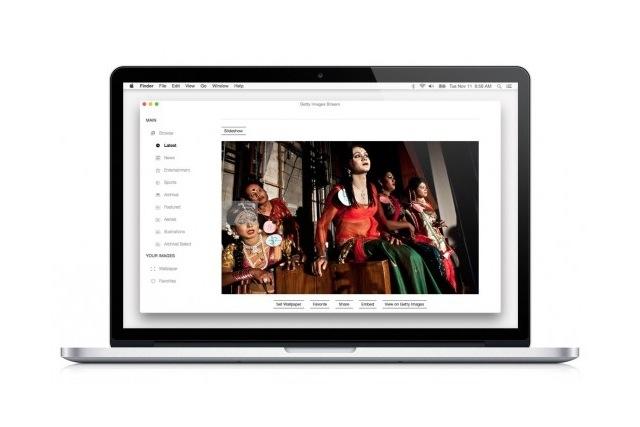
Update on November 14, 2014: Getty Images has launched a desktop version of the Stream app, for Mac OS X Yosemite. Similar to the iOS app for iPhone and iPad, the Stream desktop version lets you easily access Getty’s vast collection, which you can embed on your website for non-commercial purposes. With Stream for OS X, you can also find images to use as a desktop wallpaper, or play them as a slideshow on an Apple TV. The app is available via the iTunes Mac App Store.

Original article: Getty Images is steadily expanding its portfolio of mobile apps with the recent launch of Stream for iOS.

Recommended Videos

The free app – its first aimed at consumers – lets you easily explore the firm’s massive image library and comes with functionality allowing you to embed selected photos in a blog or some such website, or post them to various social media services.

Getty brought the same functionality to its iStock photo app in July after a move four months earlier that made its database of millions of images freely available for non-commercial use. The Stream app is its latest move to push its embedded model in front of more users in an effort to get more of its images posted online, which, through methods such as incorporated ads, could help to generate more revenue for Getty down the road.

The new app features easy-to-navigate curated photo streams covering a variety of categories that include news, sport, entertainment and archived material, and a search function offering access to the media firm’s editorial, archived and creative design images via customized streams.

In addition, you can play slideshows of any stream – as well as search results – on any Apple mobile device, including Apple TV.

Sharing images directly to social media services such as Facebook and Twitter can be done via a few taps, while publishing them on a blog or webpage – which is Getty’s main goal – is a simple matter of copying and pasting the photo’s embed code.

Finally, customized alerts ensure you’ll be notified when new images are added, allowing you to see the very latest content that lands on the site.

Getty’s embed tool created quite a stir among photographers and rival photo stock agencies when it was first announced back in March. However, none of Getty’s high-profile competitors has so far followed its example with the introduction of a similar service.

Embedded images come with photographer attribution and a link back to Getty’s site, and at some point could also incorporate some form of advertising. Professional news outlets have so far stuck with paying for image use – rather than going with the free embed model – preferring to maintain control over precisely how images appear on their sites and to avoid gaping holes on their webpages if Getty or a photographer chooses to remove an image from the database at a later date.

Getty said it launched its embed tool in an effort to cut down on the number of incidents where copyrighted images are posted without permission. However, many professional photographers were alarmed by the firm’s move to offer content for no payment, claiming it further undermined an industry where the value of photos has plummeted as digital images flood the market and stock agencies compete ever more aggressively for business.

[Source: Getty] [Stream on iOS]

Trevor Mogg
Contributing Editor
Not so many moons ago, Trevor moved from one tea-loving island nation that drives on the left (Britain) to another (Japan)…
Topics
The FCC’s latest crackdown could put more than DJI drones at risk in the US
Robot, Person, Face

DJI may have found creative ways to keep some of its products flowing into the US, but those efforts are now drawing increased attention from regulators. According to The Verge, the US Federal Communications Commission (FCC) has started cracking down on several companies it believes could be helping DJI continue selling products in the country. These businesses have been described by industry observers as "DJI front companies" because they market or import products that appear to be closely tied to the Chinese drone maker while operating under different brand names.

DJI's alleged back door may be closing

Read more
I bought Kodak’s viral keychain camera, and the bad photos are part of its charm
The Kodak Charmera is barely a camera, and I still keep using it
Machine, Wheel, Camera

I bought the Kodak Charmera partly because I wanted a portable digital camera, and partly because I wanted a pretty little collectible. The Charmera is sold as a blind box, so you do not know which version you are getting until the box is opened. There are multiple retro Kodak-style designs, plus a transparent secret edition that looks like the one everyone would want.

I had the shopkeeper pick my box for better luck, and it worked out. I got the yellow variant, which is inspired by Kodak's original 80s disposable camera. The transparent one is definitely the fun collector’s piece, but the yellow model feels like the proper Kodak version. It looks like a tiny toy camera that escaped from a souvenir shop, found a keyring, and now hangs around wherever you go.

Read more
This new $30 keychain camera is coming for Kodak Charmera with a flip screen for selfies
Yashica's new camera makes toy photography more fun
YASHICA Funtastic Keychain Camera in multiple variants

Tiny digital cameras are all the rage, and Yashica is now offering a very cute toy photography experience of its own. The company’s new Funtastic Keychain Camera is exactly what the name suggests, a miniature digital camera small enough to clip onto your keys, bag, or lanyard. The popular Kodak Charmera is the obvious comparison, which brings a tiny blind-box keychain camera that became a viral collectible.

Now, Yashica's version lands in the same novelty-camera lane, but adds one very useful trick, which is a 180-degree flip screen.

Read more