  1. Home
  2. Social Media
  3. News

Facebook launches interactive augmented reality ads that let you try on makeup

Add as a preferred source on Google

Facebook Interactive Ads
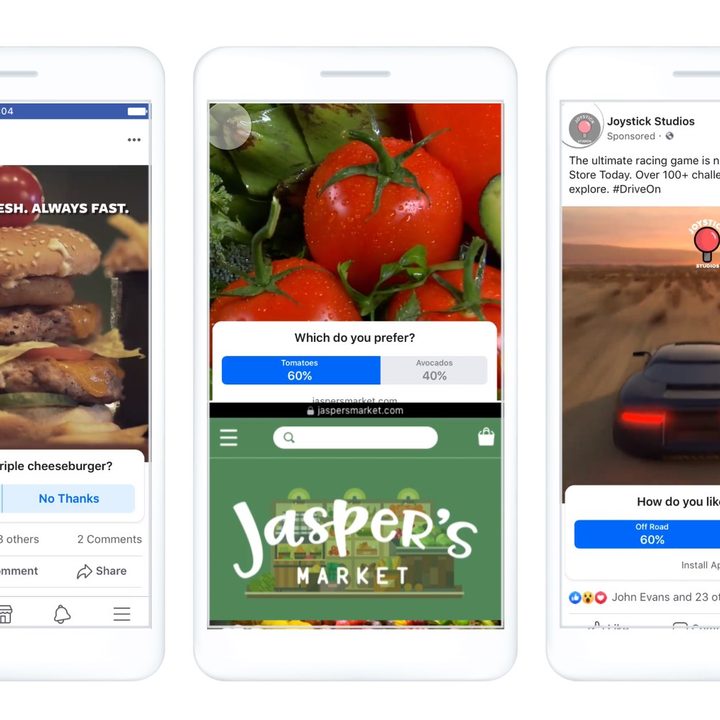
Some of the new Facebook ads in action. Facebook

Facebook is rolling out new interactive ads to its News Feed that include augmented reality experiences that let you play games or see how makeup looks on your skin.

Recommended Videos

The social media giant announced in a post on Thursday that the ads would let users “try on” makeup products and shades, and would also include polls and games. The “AR ads” will launch to advertisers in beta starting this fall, so expect to see them in your feed soon. 

The interactive features, such as the “try on” feature, will only be available to users who use the mobile app by using their phone’s camera. YouTube already adopted a similar feature in June that use augmented reality to allow users to “sample” makeup while watching popular beauty tutorials.


Another new feature Facebook is beta testing will allow users to play a demo of a mobile game before downloading. Skateboarding shoe brand Vans has already used the new feature for a holiday game it advertised on Facebook. 

The social media platform is also introducing video poll ads. Consumers will be able to pick one of two options within a given video. The feature is playing off of Instagram’s popular poll feature for Stories ads that rolled out earlier this year. 

Facebook said they these kinds of ads have a better chance of attracting your attention as you scroll through your feed — they boost engagement, since people like weighing in or seeing the poll’s results.

“For example, in 5 out of 9 brand lift studies, we observed poll ads increased brand awareness compared to video ads,” Facebook said in a post announcing the new ad types.

In June, Instagram announced branded content ads that allow influencers that work with brands to reach a broader audience beyond their followers. While this new ad type looks like a normal, sponsored post, having someone you don’t follow pop up on your feed advertising a product turned off some users.

Digital Trends reached out to Facebook for more information on the new ads — and whether you’ll be able to turn them off — and we’ll update this story if we hear back from them. 

Allison Matyus
Former Digital Trends Contributor
Allison Matyus is a general news reporter at Digital Trends. She covers any and all tech news, including issues around social…
The UK just proposed a midnight social media curfew for teens that they can bypass in seconds
The government wants 16- and 17-year-olds off apps like Instagram, TikTok, and YouTube from midnight to 6 AM, but the restriction has a built-in workaround.
Girl using a black phone while lying down

The UK just proposed a midnight social media curfew for teenagers, but it comes with a built-in escape hatch. According to the BBC, the UK government plans to restrict social media access for 16- and 17-year-olds between midnight and 6 AM, preventing them from using apps like Instagram, TikTok, and YouTube. But getting around it will take nothing more than a few taps.

A curfew teens can switch off

Read more
X is teaching its AI algorithm something social networks once understood
A new ranking tweak gives mutuals more visibility after X found that friendship data was missing from an algorithm shaping who appears in replies
Twitter X Logo Featured

X has discovered a bold new strategy for making social media feel social again. It’s going to show your posts more often to people you actually know.

According to X product head Nikita Bier, the platform is boosting the visibility of posts among mutuals, meaning accounts that follow each other. He said this relationship data had been missing from the algorithm, leaving familiar accounts less visible when reply sections filled up.

Read more
Instagram and WhatsApp lead in sextortion reports, iMessage is weaponized against teenagers: Report
Over 2,000 complaints in six months, and the platforms are still playing catch-up.
Child using a blue phone

If you use Instagram, WhatsApp, or iMessage, you need to know what is happening on these platforms. Australia's online safety regulator, eSafety, has published a new transparency report, and the findings are grim. 

As reported by The Guardian, the regulator found significant gaps in how the biggest tech companies are handling online sexual extortion and child sexual exploitation, even as the reports keep climbing.

Read more