1. Home
  2. Space
  3. News

Strawberry Moon tonight: How to watch the stunning lunar show

Add as a preferred source on Google

Tonight offers a wonderful opportunity to witness a full Strawberry Moon. It’s a gorgeous phenomenon, with out nearest neighbor casting a warm, golden-pink hue across the sky as it rises.

The term “Strawberry Moon” originated from Algonquian-speaking tribes in the northeastern U.S., as this particular full moon took place when strawberries were ripening and ready to be harvested. The name has been passed down the generations and continues to be used by many people today.

Recommended Videos

The Strawberry Moon will rise in the eastern sky at around dusk on Wednesday, between around 8:30 p.m. ET and shortly after sunset in other regions — for example, the best time to view it in San Francisco will be 8 p.m., though you’re advised to check your own city’s moonrise time for precise information.

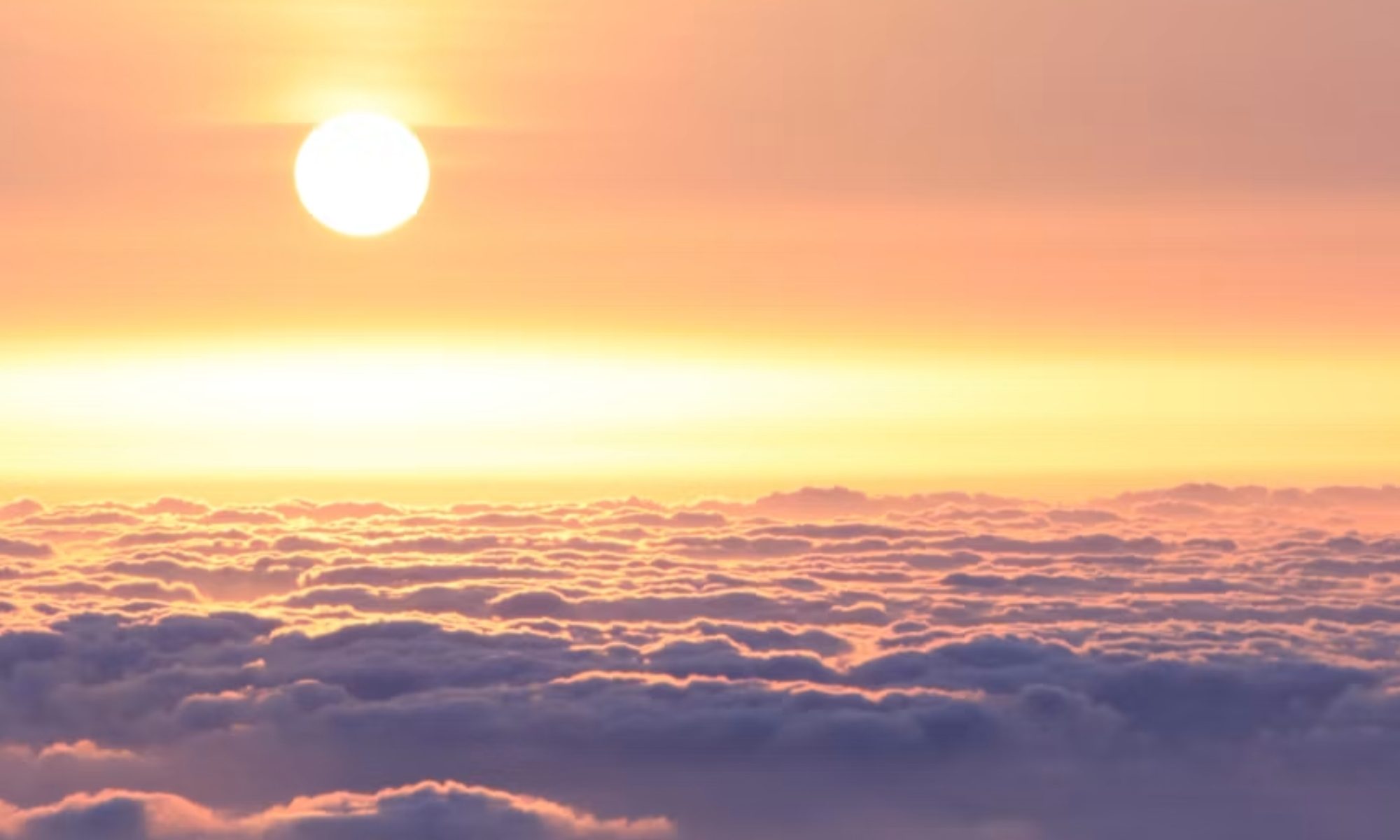
For the most dramatic view, watch shortly after moonrise when the celestial body will appear at its largest and should take on a warm, golden or orange tint due to atmospheric scattering, a phenomenon caused by its light passing through more of Earth’s atmosphere.

To view the Strawberry Moon, here’s what you need to know:

Location: Choose a spot with a clear, unobstructed view of the eastern horizon. Rural areas, hilltops, open fields, or waterfronts are ideal. In urban areas, local parks or elevated locations — like the top of a very tall building — can help minimize light pollution and obstructions.

Weather: Check local weather forecasts to ensure clear skies. Cloud cover can obscure the view, so choose a location where skies are expected to be mostly clear.

Preparation: Take binoculars or a camera with a telephoto lens if you’d like to observe details or capture photos. It’s a great opportunity to capture some striking images as the moon’s low position and unusual coloring should make it appear larger and more dramatic.

What to expect: The Strawberry Moon will appear low in the sky, glowing with a yellow, orange, or even rosy hue as it rises. This year’s full moon is especially notable because it’s the lowest in the sky in several decades, due to a rare lunar standstill.

Bonus view: Also, as the moon wanes over the coming weeks, look out for the Milky Way. June is a great time to view the galaxy of which we are a part!

Trevor Mogg
Contributing Editor
Not so many moons ago, Trevor moved from one tea-loving island nation that drives on the left (Britain) to another (Japan)…
China’s answer to SpaceX’s reusable rockets literally catches boosters in a net
SpaceX catches boosters on legs. China just used a net.
Ammunition, Missile, Weapon

SpaceX's playbook for recovering a rocket booster generally involves legs, a precisely controlled vertical landing, and either a concrete pad or a drone ship. 

China just managed to pull off something similar, but in a slightly different way, and on July 10, it tested the method as well.

Read more
Dimming the sun sounds unhinged, but this new study on El Niño makes a surprisingly good case for it
A natural test case, Australia's worst-ever wildfire season, suggests the idea deserves serious consideration.
Nature, Outdoors, Sky

When I first saw "scientists propose dimming the sun," I rolled my eyes. It sounds like a science fiction movie cooked up after watching many climate documentaries. But a new study, published on July 8, 2026, in the journal Science Advances, seems to have a genuinely compelling argument.

A Super El Niño is currently forming in the Pacific, feared to be the most intense in decades. It could escalate floods, wildfires, and extreme heat events worldwide. However, Researchers at UC San Diego's Scripps Institution of Oceanography, led by climate scientists Kate Ricke and Jessica Wan, are now proposing one of the most interesting solutions I’ve come across.

Read more
You can now walk through space and gaze into a black hole at this VR exhibit
Smithsonian Starstruck lets you drift past dying stars and see the origin point of the universe for as little as $18 a person.
Smithsonian Starstruck featured

Most planetarium shows ask you to sit still and look up. The Smithsonian's new VR exhibit takes a different approach, letting visitors walk through the vast expanse of the universe, drifting past stars, planets, and a black hole to get a physical sense of its true scale.

A $29 ticket to the edge of the galaxy

Read more