Blue Origin took another step toward sub-orbital space tourism flights on Wednesday with the successful completion of its 15th rocket launch and landing from its spaceport in Texas.
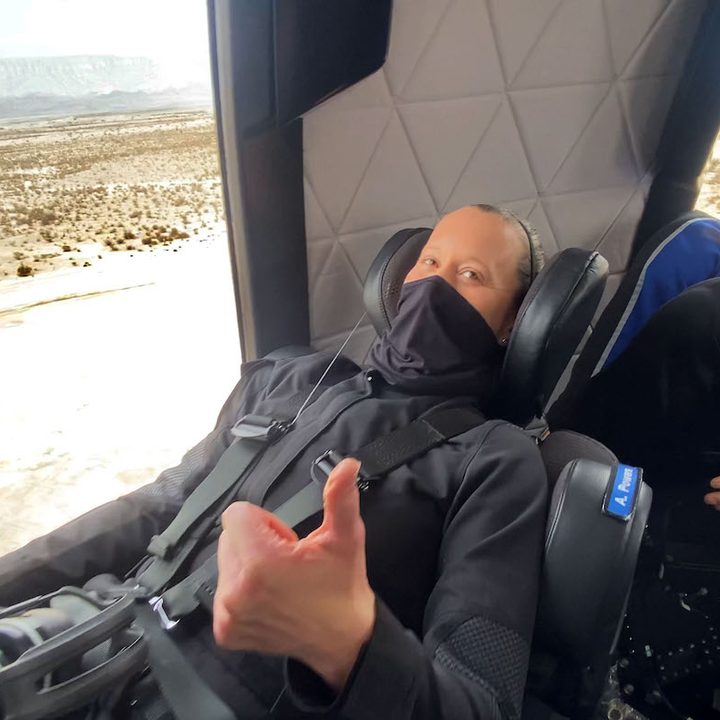
Notably, this was the first mission to see personnel inside the capsule prior to launch — and also after the capsule landed — as part of an exercise to simulate astronaut movements and operations for its upcoming tourism service. The three team members were not on board the capsule during the actual flight.
According to Blue Origin, the rehearsal allowed it to conduct a series of tests from inside the capsule, “including a comms check with the Capsule Communicator, procedures for entering and exiting the capsule, and pre-launch preparations within the capsule,” adding, “Following the crew capsule landing, the astronauts rehearsed post-flight procedures, hatch opening, and exiting the capsule.”
Blue Origin’s tourism flights will take paying passengers to the edge of space around 62 miles up, offering incredible views of Earth and beyond, as well as a brief spell of weightlessness, before returning to base. Virgin Galactic is also planning sub-orbital flights and recently unveiled a shiny new space vehicle for its rides, while SpaceX is working to offer orbital experiences.
Blue Origin tweeted the main highlights of Wednesday’s mission, which started with the launch of its New Shepard rocket.
The 15th successful launch of #NewShepard and the second of this booster and capsule. pic.twitter.com/BiTYJNPaxE
— Blue Origin (@blueorigin) April 14, 2021
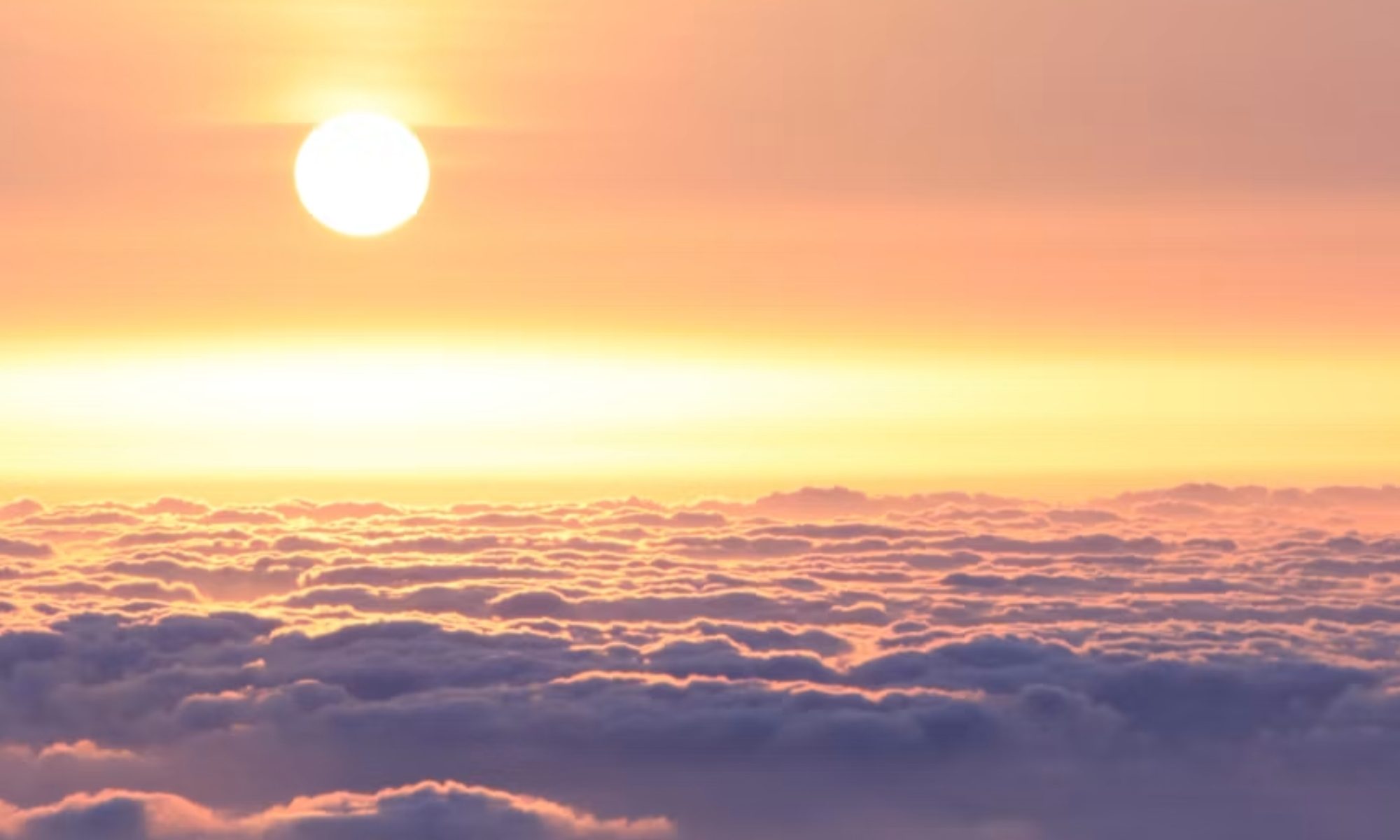
It also showed off the view from inside the capsule. And no, that’s not a team member you can see in the seat. It is in fact a mannequin that Blue Origin uses to give some scale to capsule’s large windows, presumably as part of marketing efforts to sell the experience to future customers.
Quite a view today 🌎. pic.twitter.com/boUIfJXjCa
— Blue Origin (@blueorigin) April 14, 2021
Next up, we see the reusable New Shepard booster coming in to land.
Never gets old. Second consecutive landing for this particular booster. #NewShepard pic.twitter.com/Lia4GDX9yO
— Blue Origin (@blueorigin) April 14, 2021
And finally, about 10 minutes after launch, we see the capsule, slowed by three large parachutes, floating back to Earth before hitting the ground with a gentle bump.
A beautiful landing back in the West Texas desert today. pic.twitter.com/ii3LJriSFc
— Blue Origin (@blueorigin) April 14, 2021
After landing, the three team members hopped aboard the capsule for the second time, before exiting with happy high-fives as if they’d just been on the ride of a lifetime (when in fact they’d just driven from the spaceport).
We can’t wait for future astronauts to experience stepping out of the capsule after completing their trip to space and back. pic.twitter.com/OhYUOPVvjC
— Blue Origin (@blueorigin) April 15, 2021