We enter 2011 with the iPad so incredibly dominant that is seems impossible at this point that any product could challenge it. Samsung tried with the Galaxy Tab, and while it got stores to order 2 million of them, the number actually sold appears to be closer to 250,000, and a massive number of people returned the product. On the other hand, even at 15 million units, this market is still relatively small beside the 300-million-unit PC market, or the over-1-billion-unit cell phone market. This suggests that a competitor could emerge, and even if it doesn’t take customers from Apple, could grow in places Apple isn’t as strong. This is the strategy that Dell, for instance, is following with its Windows-7-based tablet, due out later this year.
So, there is a shot, and HP has a number of advantages over Apple. It has a stronger back-end focus, possibly making for better Web services, and even though HP doesn’t have its own stores in the US (they exist in other countries) the company has more existing shelf space than Apple does, and a business sales channel that Apple lacks. If any company had a shot of moving against Apple, it was HP, and historically, they were the only company that ever scared Apple in the iPod market. But HP has never successfully beaten Apple. Could this be the big opportunity?
Not unless the execs at HP up their game a lot. Let me explain.
 A rose by any other name
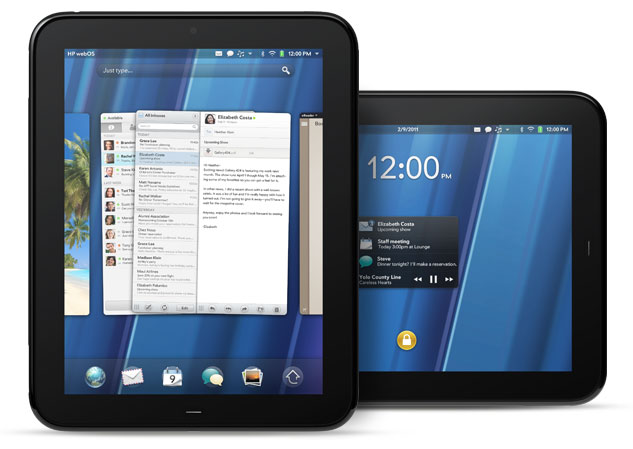
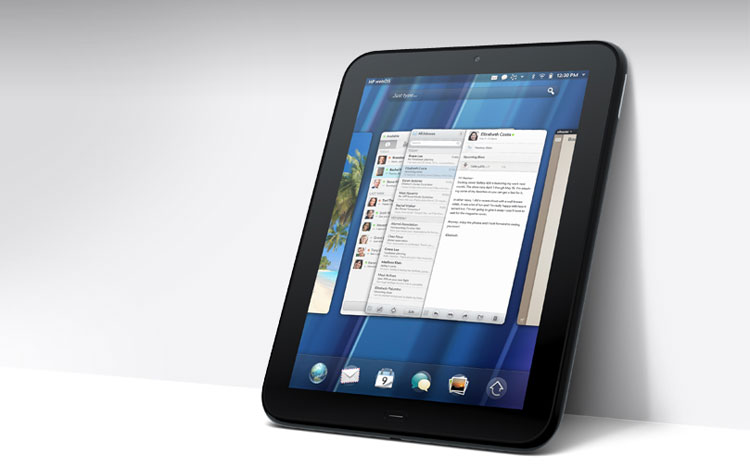
Let’s start with the name of HP’s device, “TouchPad.” It breaks one of the first rules for naming: It actually applies to a related, but not connected, class of product. A touchpad is the mouse replacement used on laptop computers, and it’s a feature that HP’s TouchPad doesn’t have. The problem here is confusion. When someone mentions or writes about a TouchPad, there will be a possibility that the reader or listener may assume the more common use of the name, and when you search on the name you will find it hard to find what you are looking for. For instance, searching for the TouchPad on Google brings up a ton of keyboards and standalone touchpad PC accessories. Now, think how you would go about searching for a cover or accessory for your new TouchPad. It won’t be easy. It would be like calling a new motorcycle a Mag Wheel. This is a novice mistake and one I wouldn’t have expected HP to make. (By way of background I used to do naming in IBM and wouldn’t wish that job on anyone).
Applications
One of the big advantages Apple has over everyone else is the massive number of applications for the iPad. Even Android isn’t that close on this form factor, because Honeycomb isn’t shipping yet. And on Android, there are security issues keeping one of the most popular applications, the Netflix viewer, off of the platform. Developers don’t develop for low-volume platforms, and this creates a huge cart-and-horse type problem: The users won’t buy without the apps, and the app developers won’t port without the users. This typically requires the vendor to spend a substantial amount of money to fund development to get to that initial number of applications that folks will find compelling. Fortunately, you don’t need thousands, but you do need some strong ones if you want people to choose your product over the alternatives.
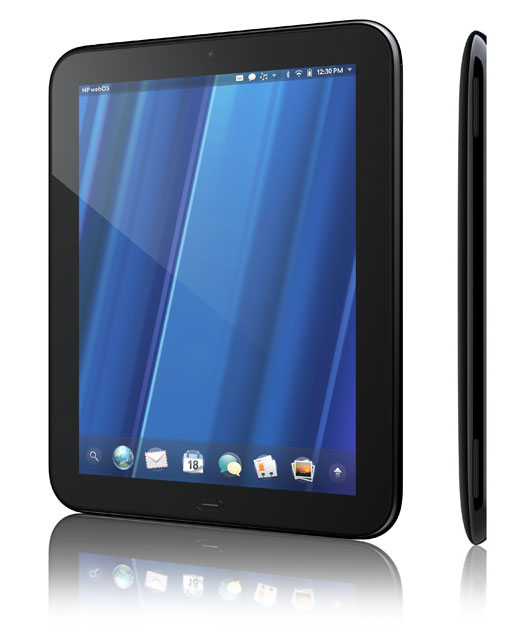 There is no evidence that HP is funding this effort, and while the company did indicate it would be providing a very easy to use development environment, without funding, it is unlikely they will get the key applications they will need to be successful.
HP TouchPad vs. Apple iPad 2
We are learning more and more about the iPad 2, and on spec, it looks very similar to the TouchPad. In addition, it is already being manufactured, and should be shipping shortly, suggesting it will launch sometime in late March or April. This means Apple will have it well established before most can even touch the TouchPad. It’s very difficult to race Apple, even with a head start. To race Apple starting late, given how Apple traditionally outexecutes and outspends all other vendors in this class in marketing, would be nearly impossible, particularly with a product that appears so similar.
Now, it may be the next best thing to an iPad, but that is what the Samsung Galaxy was last year, and the sales volumes, as I mentioned at start, weren’t that impressive. Like it was with the Zune against the iPod, the number two product typically, even with massive marketing, way undersells, in terms of volume and profit, the leader in this CE class of product. At least, that is the way it has been against Apple.
Setting the bar too high
At the end of HP’s excessively long and tiring presentation (folks really should read The Presentation Secrets of Steve Jobs), HP indicated it plans to take webOS to the PC. While this undoubtedly caused Microsoft CEO Steve Ballmer to spill his coffee all over his desk, it was a foolish thing to do. Apple only started talking about taking the iOS to the PC after the iPhone and iPad were clearly successful, and even then, Jobs talked about the move as an update to the MacOS. For HP, there is no proof it will sell any of these tablets, let alone that they will be the success that the iPad has been. Historically, HP has failed in the CE market, and by setting such an aggressive goal, not only will it likely line up Microsoft against its efforts prematurely, but create the image of a company that can’t succeed, regardless of whether the TouchPad is successful. That may reduce the number of application developers and customers they otherwise might get.
Palm, before being acquired, was defined by taking unnecessary risks like this. In its case, talking about the Palm Pre as an iPad killer long before the product hit the market and then executing so poorly almost killed the company. HP, with this announcement, is showing Palm tendencies, and if that isn’t corrected, the future for what otherwise might be an interesting product won’t be bright. In the end, while the product has the potential to be a game changer, the execution so far suggests it will be another missed opportunity. We’ll revisit this when the product launches in the summer.
For more on HP’s TouchPad announcement check out, HP unveils WebOS HP Veer, Palm Pre 3, and HP TouchPad tablet.