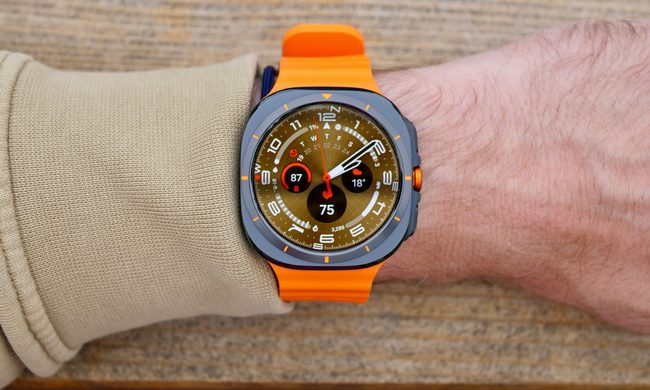
As smartphones became mainstream over the past decade, multiple research papers popped up, documenting how extremely filthy they can get. Fresh research from the University of Arizona said that smartphones can be 10 times dirtier than a toilet seat. Another paper published in Nature claimed that microbial infection is so bad that robust public health and biosecurity protocols are needed to minimize the risks.
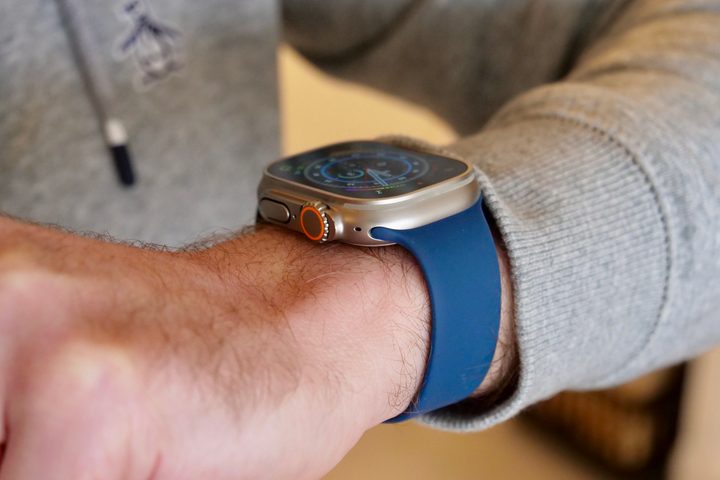
But over the years, another class of personal devices has become a part of our daily lives — health wearables such as smartwatches and fitness bands. Researchers at Charles E. Schmidt College of Science of Florida Atlantic University studied various types of wearable straps and discovered that nearly 95% of them were contaminated with various forms of bacteria.
Among the different types of band materials, rubber- and plastic-based materials were found to harbor the highest degree of contamination, while metal-based bands with gold and silver metal showed the lowest bacterial activity. The research paper — published in the Advances in Infectious Diseases journal — notes that depending on the gender and a person’s occupation, the bacterial load can vary.
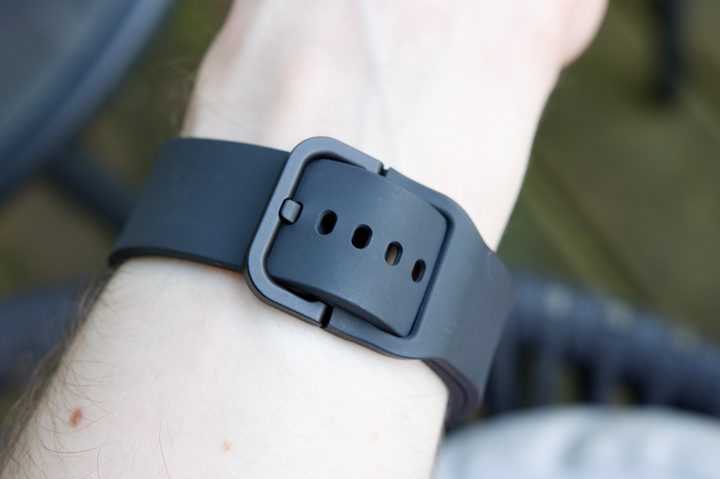
As part of the test, the team painstakingly analyzed bands made out of rubber, plastic, fabrics, leather, and metal worn by people across different professions such as firefighting, desk jobs, driving, and the veterinary field.
While the kind of job definitely impacts the level of pathogens a person is exposed to, the most crucial material aspect is the band surface and texture. For example, gym-goers and veterinary experts had the highest concentration of different pathogenic species living on band and strap surfaces.
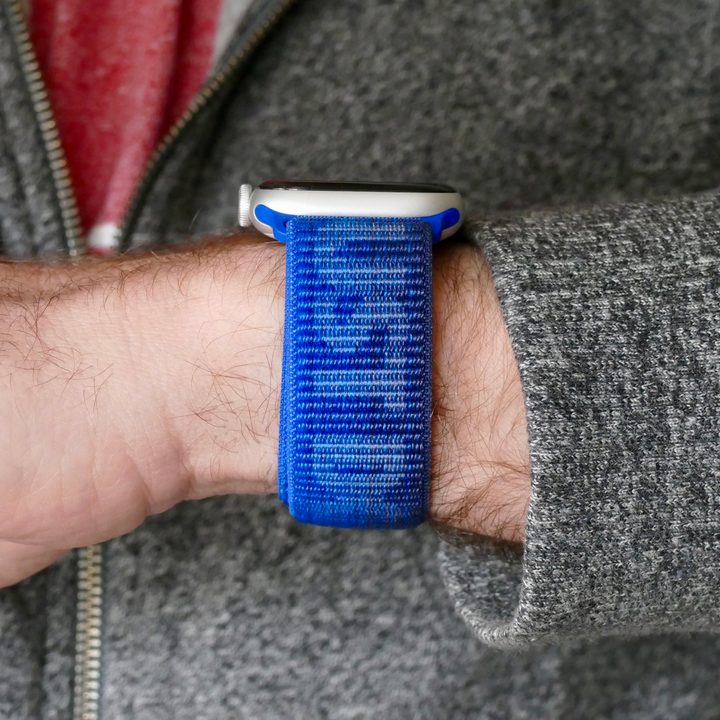
The highest concentration of pathogen was found on straps made of rubber and fabric.
What about the companies that say their bands come with antibacterial properties? “This is a double-edged sword. Antibacterial anything will provide a short-term kill, but will train resident and transient bacteria on resistance to drugs and antibiotics,” Nwadiuto Esiobu, a senior researcher at Florida Atlantic University, tells Digital Trends.
A breeding ground for dangerous pathogens
During their test, the team found Staphylococci, Pseudomonads, and Enterobacteriaceae to be the most common pathogens living on straps and bands. The first name on the list is an opportunistic pathogen that causes blood-related infections that end up costing $2 billion in annual medical expenses in the U.S.
Another strain discovered during the test, s. aureus, can trigger blood clotting, infective endocarditis, and fatal organ failure. Overall, the highest concentration of Staphylococcus-class bacteria was found on plastic bands, followed by fabric, rubber, and leather bands. In general, metal bands, such as those with silver and gold components, “had little to no bacteria.”
Another dangerous pathogen found thriving on rubber and plastic bands was Pseudomonas aeuginosa, which is known to cause urinary tract infections (UTIs). The most worrying finding was the discovery of Enterobacteria — specifically Escherichia Coli, which is related to fecal-oral infections and was found predominantly on plastic and rubber bands.
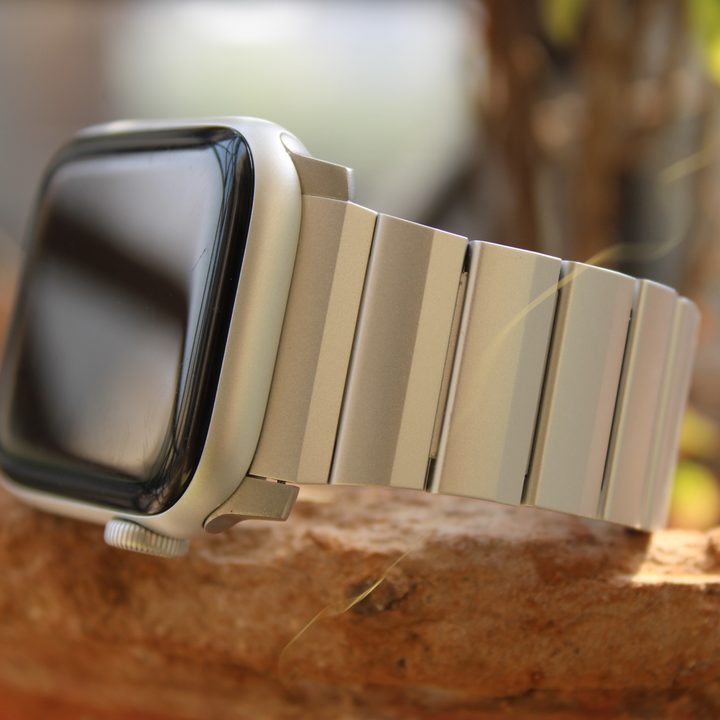
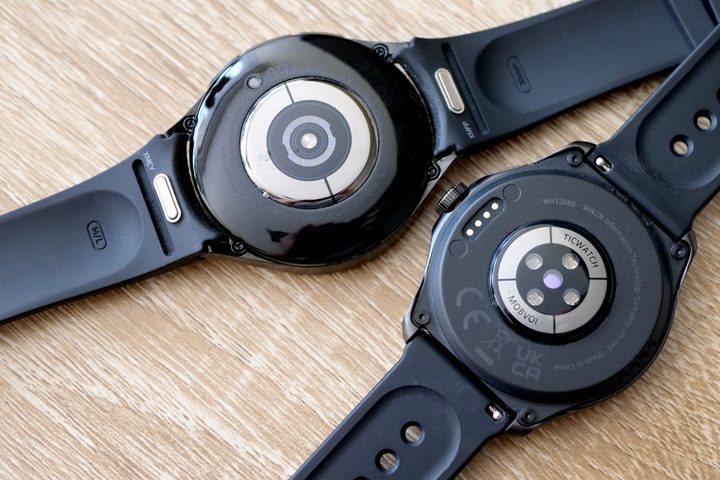
The research paper surmises that “porous and static surfaces,” such as those of rubber and plastic bands, tend to be an easy festering ground for pathogens. Metals, on the other hand, were found to be the relatively safer option.
“Metals inhibit the enzymes on the membranes of bacteria … . So most persisting bacteria will die over time,” Esiobu explains regarding the safety offered by metallic surfaces. “So most persisting bacteria will die over time. “
Now, metal bands are slightly more expensive, but they are worth the safety they offer. Nomad sells some great metallic straps. It also helps that they look more classy and fitting for a watch that costs a few hundred dollars in the first place.
How to safely clean your smartwatch band

The team tested three kinds of cleaners — Lysol Disinfectant Spray, 70% Ethanol, and apple cider vinegar. Notably, the Lysol and ethanol solutions took only 30 seconds of exposure to dramatically reduce the bacteria count, while apple cider vinegar needed 2 minutes to get the job done.
The bands that Samsung and Apple sell for their smartwatches are made out of leather, fluoroelastomer, stainless steel, silicone, thermoplastic, polyurethane, woven nylon, polyester yarn, and fluorocarbon rubber. Depending on the strap material, you might have to accordingly adjust the type of cleaning fluid to get the best results while also avoiding any damage.
Both companies already advise users to clean their wearables after exercising or doing any other form of workout that results in sweating. Apple suggests 70% isopropyl alcohol wipe, 75% ethyl alcohol wipe, or Clorox disinfectant wipes to clean certain band types such as the Sport band, Ocean band, or the Solo Loop strap.
Pick up a metal-based strap, if possible.
Another telltale sign that it’s time to clean your band is the odor emanating from the bands and straps. “The smell indeed is a product of bacteria fermentation. The sebum humans secrete is odorless.” Esiobu said.
A quick swipe with nail polish removing liquid, quaternary ammonium soaps, and lemon juice are some other household items that can tackle pathogenic growth to a certain extent. However, the latter can lead to discoloration for certain type of bands, so you should use this with care.
Users are strictly told to stay away from anything that contains bleach or other harsh chemicals like hydrogen peroxide. However, if you don’t have access to a cleaning chemical, a household item like apple cider vinegar is also good enough. Just make sure that you keep those filthy bands dipped in the vinegar for at least 2 minutes to effectively flush out the microbes.