1. Home
  2. Computing
  3. Legacy Archives

Intel Launches New Logo and Brand Renewal

Add as a preferred source on Google
Intel Launches New Logo and Brand Renewal
Image used with permission by copyright holder

In an effort to reflect the company’s shift towards the general consumer marketplace, chip-maker Intel Corporation is expected to formally launch a major re-branding effort at January’s Consumer Electronics Show in Las Vegas, scrapping its 37 year-old logo (the company name with a lowered “e”) and limiting use of the phrase Intel Inside.

Intel’s new all-blue logo will feature an elliptical swirl around the company’s name, while the tagline Leap ahead will replace Intel Inside in consumer-oriented products and marketing tools, although the company’s 1990’s catchphrase will remain part of marketing programs used by computer makers to promote systems with Intel processors (although new logo graphics making the rounds on the Internet largely use only the word “inside” for specific processor lines). Intel also seems intent on marketing its anticipated “Yonah” mobile processor under name “Core.”

Recommended Videos

Intel’s rebranding effort is seen as another step in CEO Paul Otellini’s broader strategy for the company, which has been unfolding since he took the reins of the company in May 2005. Intel is increasingly positioning itself as a consumer-oriented, digital media platform provider (most recently with its Viiv platform strategy) rather than merely a supplier of CPUs and components for other manufacturers. The moves are intended to pull diversified business towards Intel as the overall worldwide market growth for personal computers slows, and Intel faces growing competition in key areas of its business from rivals such as Advanced Micro Devices (AMD).

The branding overhaul also comes only a few weeks after Intel promoted former-Samsung branding honcho Eric Kim to Chief Marketing Officer. Intel originally hired Kim away from Samsung in 2004.

Geoff Duncan
Former Contributor
Geoff Duncan writes, programs, edits, plays music, and delights in making software misbehave. He's probably the only member…
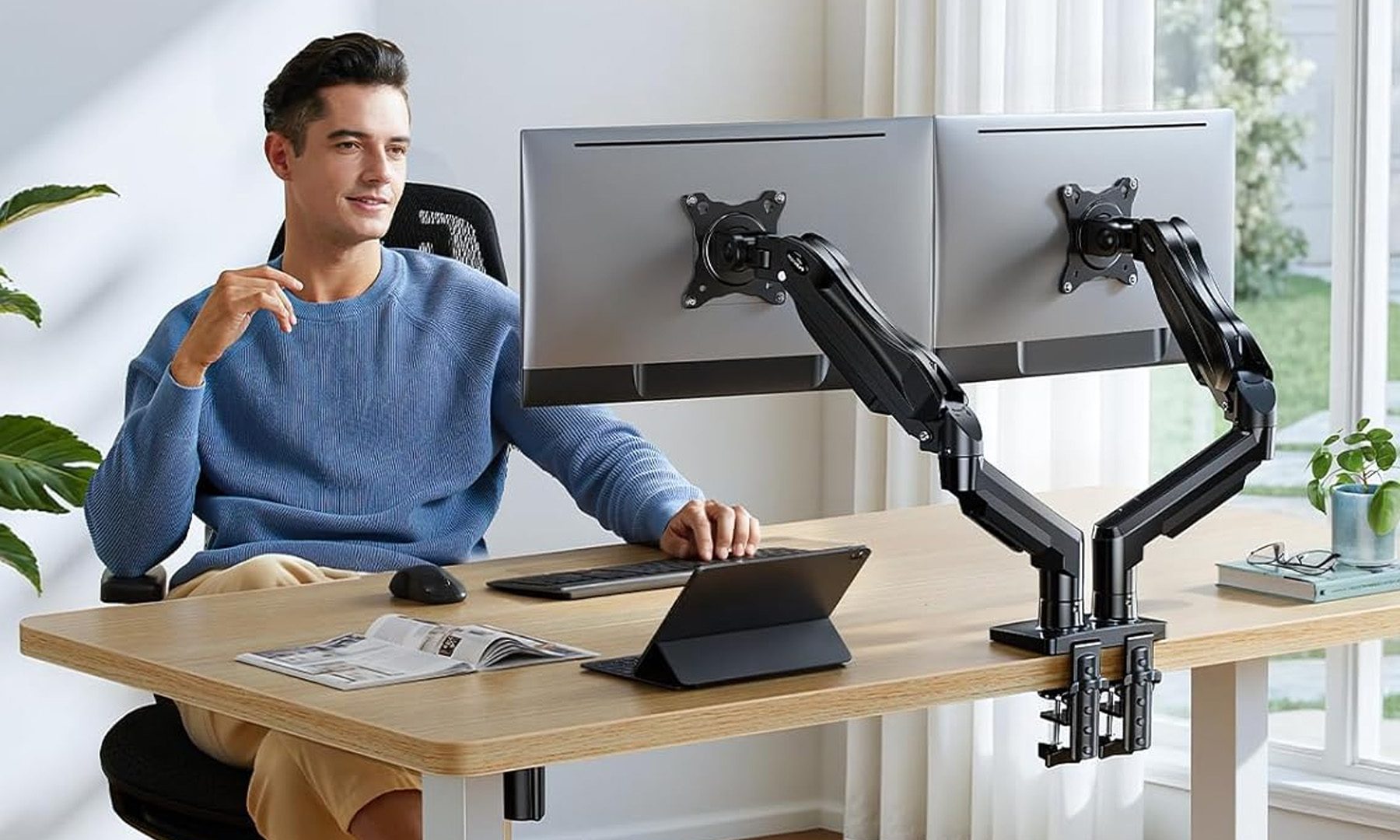
Back-to-school desk upgrade? Start with one of these monitor arms
Whether you're studying, coding, or gaming after class, these are the monitor arms I'd happily recommend.
The Best Monitor Arms for Back-to-School That I'd Actually Recommend - HUANUO FlowLift Dual Monitor Stand

Dorm rooms and study desks have one thing in common: they run out of space fast. Between textbooks, notebooks, keyboards, coffee mugs, and laptop chargers, a monitor's stock stand often ends up taking more room than it should. A good monitor arm instantly frees up valuable desk space while also putting the screen at a much more comfortable height, making long study sessions easier on the neck and shoulders. Whether it's a simple single-monitor setup or a dual-screen workstation, these are the monitor arms I'd actually recommend for Back-to-School.

Amazon Basics Single Computer Monitor Stand

Read more
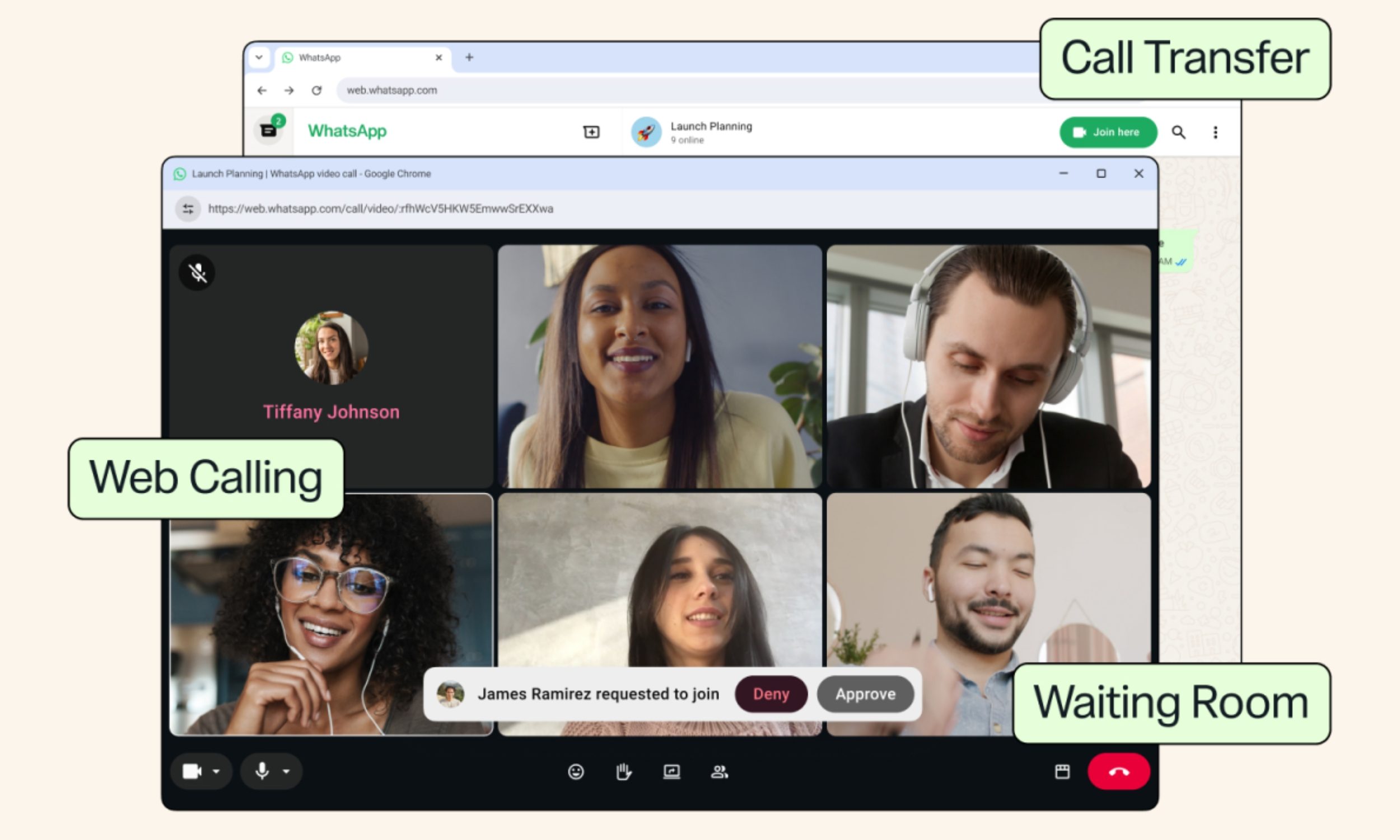
WhatsApp Web finally lets your laptop handle calls instead of forcing you back to your phone
Other new features include Waiting Room, QuickHD, and background Noise Suppression.
Adult, Female, Person

I've lost count of how many times I've had to awkwardly grab my phone mid-task just to take a WhatsApp call my laptop couldn't handle on the web version. Today’s update changes that for good.

So what's actually rolling out today?

Read more
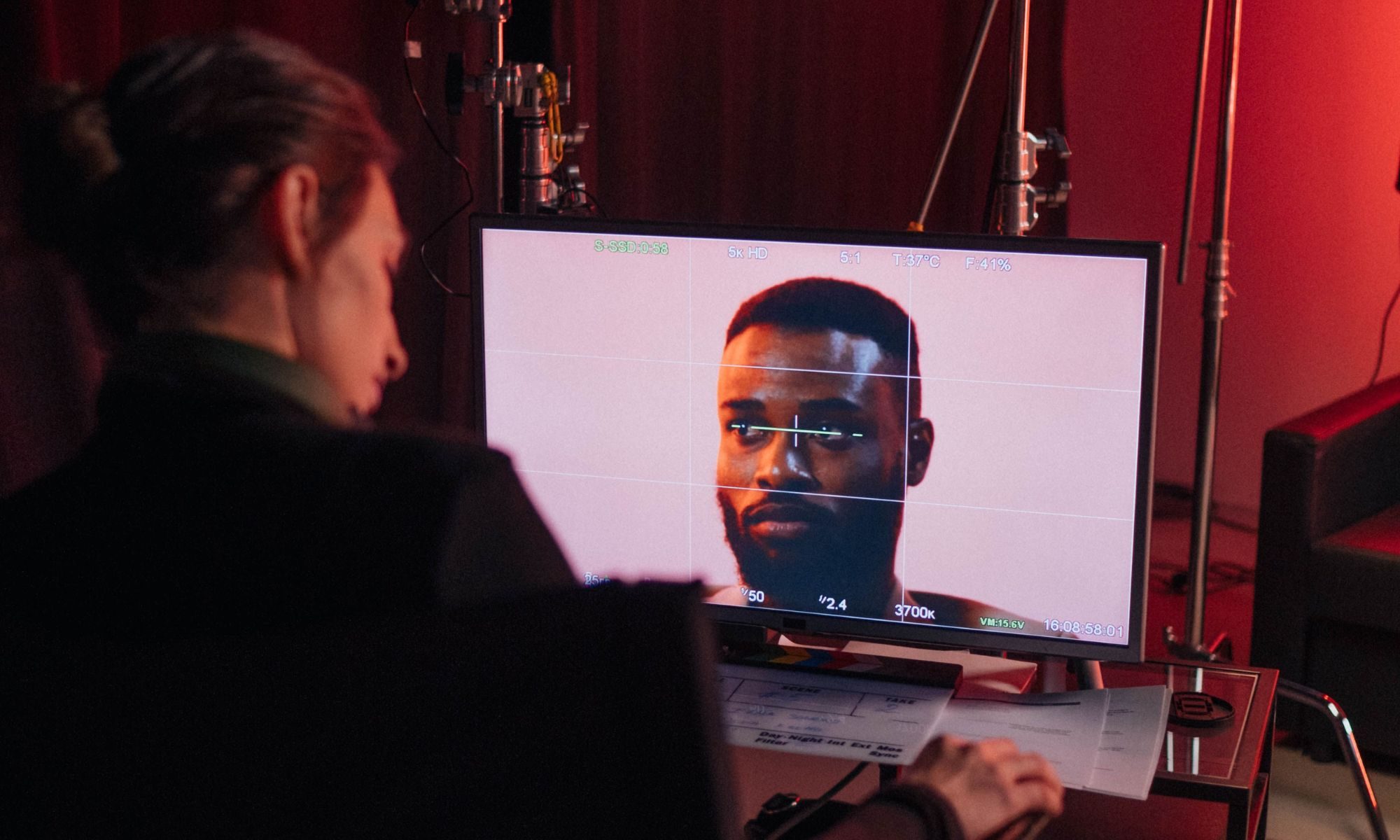
Researchers have built a tool that can identify the AI used to make a fake video
Every AI video generator leaves behind subtle, distinct patterns, and this new tool learned to read them.
fake-ai-video

AI-generated videos have gotten so realistic that spotting a fake is difficult enough on its own. Figuring out which AI model actually created it is even harder. That's exactly why researchers at UC Riverside built a tool that can do both. It's called SAGA, and it can trace a fake video back to the specific AI model that generated it.

The project was led by UC Riverside doctoral researcher Rohit Kundu and electrical and computer engineering professor Amit K. Roy-Chowdhury, in collaboration with researchers from YouTube and Google DeepMind.

Read more