1. Home
  2. Emerging Tech
  3. Legacy Archives

Seatylock is a bike lock you sit on – because it’s also a comfortable bicycle saddle

Add as a preferred source on Google

Bicycle locks are going through a renaissance of sorts, as teams of engineers and designers are packing high-tech features into what used to be uninspired pieces of metal. Some bikes have even been designed to lock themselves without the help of an external lock. Now thanks to the Seatylock, some cyclists may be able to say that the best bike lock is the one right under their bum.

The Seatylock is, simply put, a bicycle saddle that can be detached and used as a lock in about 30 seconds. When it’s separated from the bike, the Seatylock extends to turn into a multi-jointed, one-meter (about 3.3 feet) long hardened steel bike lock. This means cyclists who use the novel bike seat don’t have to worry about lugging a separate lock along with them. It also means they don’t need to worry about their bicycle saddle being stolen.

Recommended Videos

Not to be overshadowed by its security features, the team behind the Seatylock makes it a point to highlight the thought and effort that went into the comfort and style of the bicycle saddle. The saddle comes in two versions: Trekking (slimmer) and Comfort (thicker). Each saddle is available in a variety of styles and comes with a universal adapter to ensure that the Seatylock fits with any standard bike.


The Seatylock’s Kickstarter campaign, which closed earlier this month, received $137,190 (more than three times its $40,000 goal) from 1,377 backers. It will retail at $129, with initial deliveries scheduled for March 2015. Cyclists can pre-order the Seatylock for $90.

Jason Hahn
Former Contributor
Jason Hahn is a part-time freelance writer based in New Jersey. He earned his master's degree in journalism at Northwestern…
OpenAI just made GPT-5.5 Instant more fun to talk to, and users may actually notice
The company says its most-used ChatGPT model is getting better at advice, decision-making, and everyday conversations.
Man using ChatGPT on a laptop

For years, AI companies have competed by talking about benchmarks, reasoning scores, and coding performance. OpenAI's latest ChatGPT update takes a different approach. Instead of focusing on raw intelligence, the company is making its most popular AI model more enjoyable to talk to.

OpenAI says GPT-5.5 Instant now better understands what users want

Read more
Claude can now join your Slack channels and work alongside your team
Laptop running Claude Fable

For years, AI assistants have been siloed. You open ChatGPT, Claude, Gemini, or Copilot, type a prompt, get an answer, and move on. Anthropic's new Claude Tag feature takes a different approach. Instead of making employees jump into a separate AI chat every time they need help, it brings Claude directly to where many teams already spend their day: Slack.

Add Claude to a channel, grant it access to needed tools, and tag @Claude for help — whether analyzing data, writing reports, reviewing code, or investigating incidents. But Claude Tag isn't just another chatbot integration. Its key differentiator is that Anthropic positions it as a digital coworker for your team, enabling seamless collaboration where multiple users can jointly interact with the same AI within their work environment.

Read more
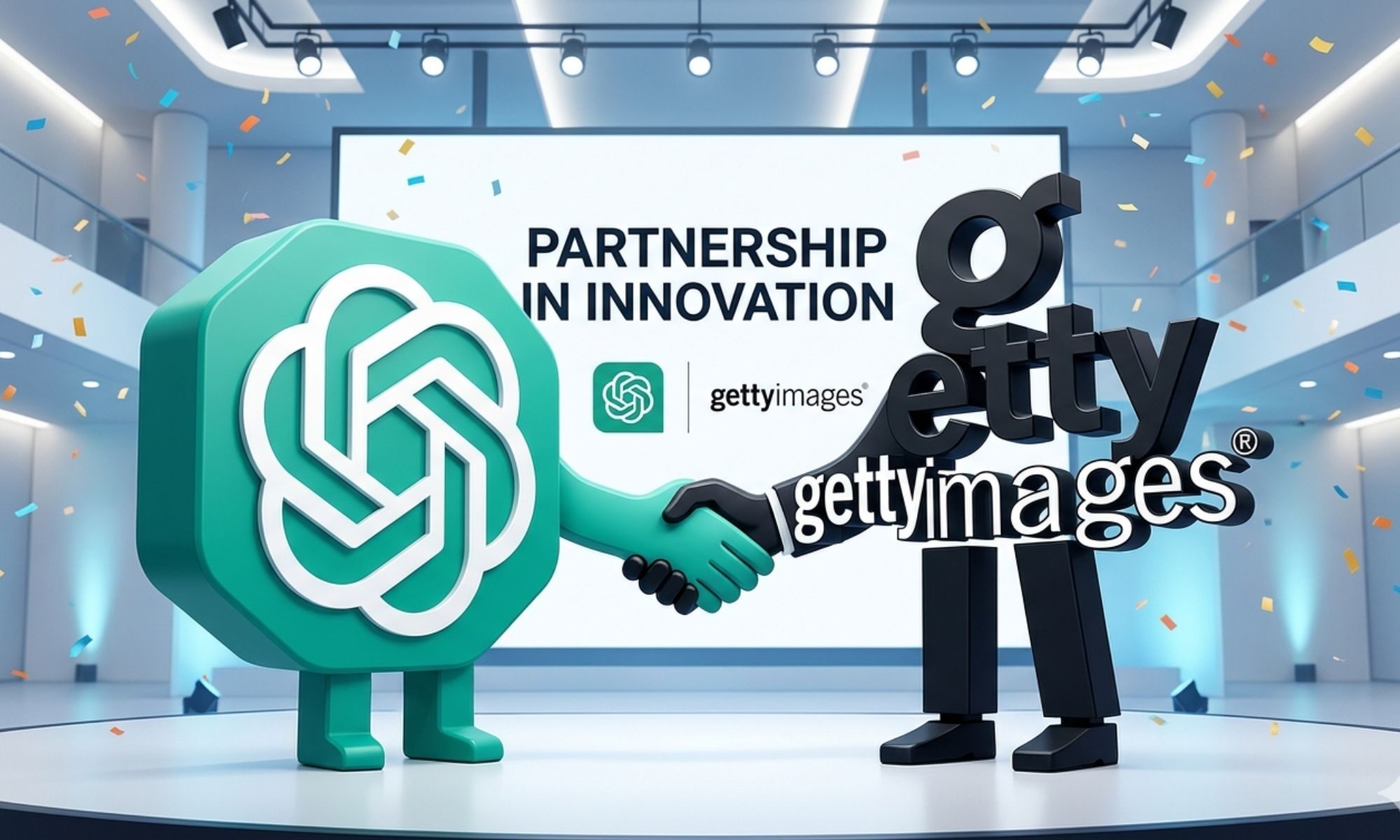
Getty Images accused AI of wholesale theft. It’s now an official ChatGPT image partner.
Advertisement, Shop, Clothing

The AI industry's most fascinating stories often come from unlikely alliances, and this is certainly one of them. Getty Images, a company that has spent years raising concerns about how AI models are trained and how creative work is used, is now officially partnering with OpenAI.

The new agreement will allow Getty Images' licensed content to appear across ChatGPT's search and discovery experiences. That means users may begin seeing Getty's professionally licensed photos and visual assets integrated into ChatGPT responses, adding more visual context to searches and AI-generated answers. Getty says the goal is to make AI-powered search more useful and trustworthy by relying on high-quality, licensed content rather than the murky sourcing practices that have sparked countless debates across the AI industry.

Read more