1. Home
  2. Phones
  3. Mobile
  4. News

What’s more stressful, losing a smartphone or a terrorist threat? You may be surprised

Add as a preferred source on Google

Priorities: we may not have them totally in order. As per a recent report from the London-based Physiological Society, the stresses of today are not only completely unimaginable to those from previous generations, but may also seem a bit … petty. For example, the possibility of losing a smartphone, the Society’s study suggests, causes the denizens of the 21st century about the same amount of stress as the threat of a terrorist attack.

In conducting its study, the Physiological Society asked around 2000 men and women in the U.K. to rank key life events from a scale of 0-10. Zero indicated “Not at all stressful,” whereas 10 was deemed “Very stressful.” Key life events included a work promotion, Brexit, and the death of a spouse or relative.

Recommended Videos

Generally speaking, the new study’s results remained in line with those found by the famous 1967 stress study conducted by Holmes and Rahe — it found that the death of a spouse, relative, or friend, and imprisonment to be the two most stressful life events. Flood or fire came in third, illness in fourth, and getting fired, divorced, having your identity stolen, and financial issues rounded out the list of most anxiety-inducing scenarios.

But then, things started to take a more modern turn. Commute delays saw an average stress score of 5.94, placing it higher on the list of stressors than a terrorist threat (5.84). And the idea of losing a smartphone was a 5.79 on the stress scale. Just let that sink in for a minute.

And as for topical, timely issues like Brexit, well, that barely registered as a stress at all — on average, study participants gave it a stress ranking of just 4.3.

Across the board, women were found to be more stressed by these various situations, though both sexes reported about equal levels of stress with regard to the arrival of a first child.

“The modern world brings with it stresses we would not have imagined 50 years ago, such as social media and smartphones,” Dr. Lucy Donaldson, chair of The Physiological Society’s Policy Committee, said in a statement. “It was striking that for every single event in this study, from money problems to Brexit, women reported greater stress levels than men. This could have a real impact on women’s health.”

Lulu Chang
Fascinated by the effects of technology on human interaction, Lulu believes that if her parents can use your new app…
Forget Apple’s AirTag, Motorola’s new Android tracker lasts over 500 days and costs less too
Moto Tag 2 could be the AirTag Android users actually buy
Moto Tag 2 with car keys

Motorola is finally bringing out its second-generation Android smart tracker. While Apple's AirTag has been hogging the limelight, the Moto Tag 2 is the new rival in town, arriving in North America starting June 30. It brings UWB (Ultra Wideband) tracking support, Bluetooth Channel Sounding, and Google Find Hub support in a compact tracker built for keys, bags, luggage, camera gear, and anything else people keep misplacing.

The real headline, though, is the battery life. Motorola claims that this is its longest-lasting smart tracker yet, with more than 500 days of battery life from a replaceable CR2032 battery.

Read more
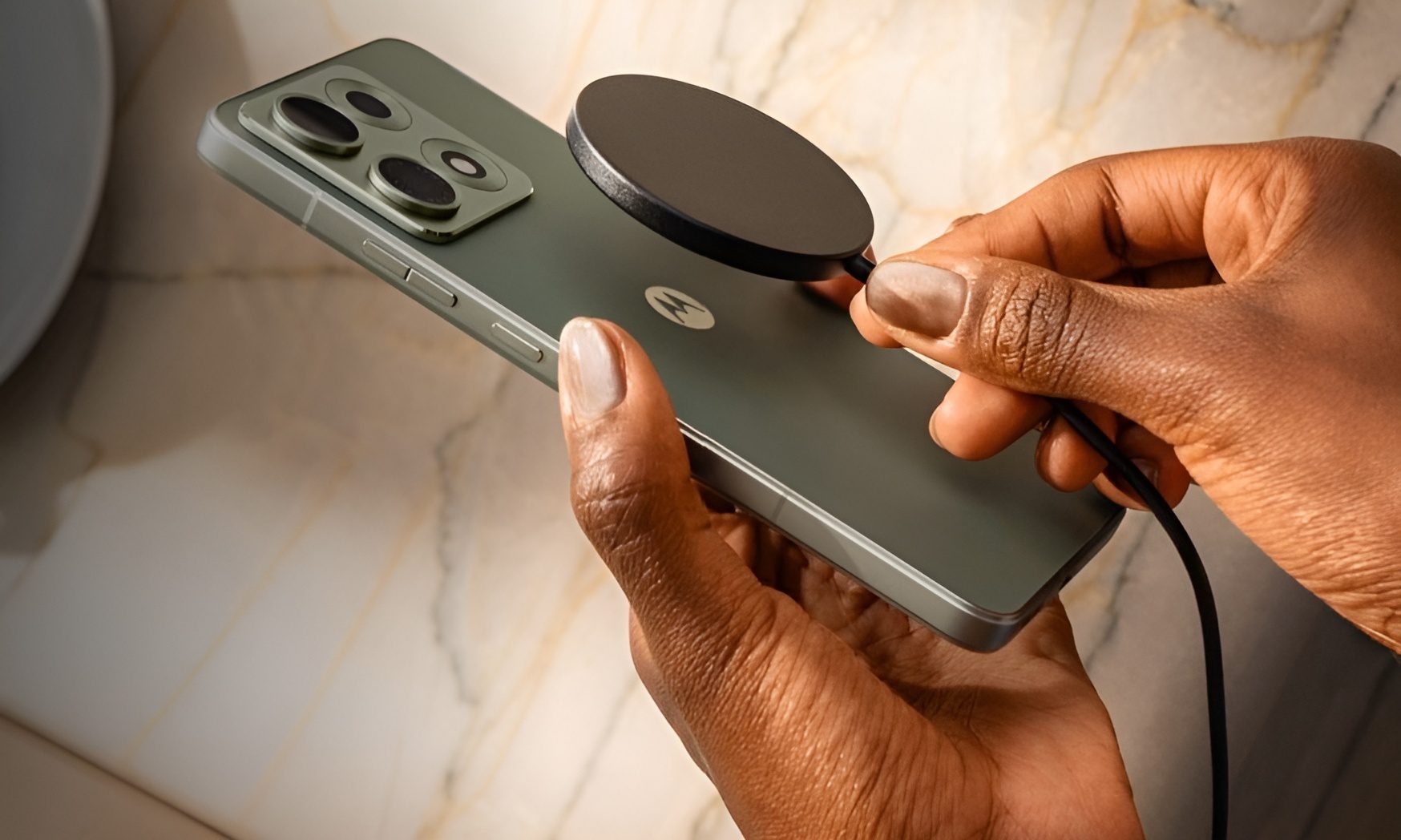
Motorola’s next Edge phone could make Android’s MagSafe moment cheaper than Google did
Motorola Edge 70 Max is next in line with magnetic charging
Motorola Edge 70 Max with a magnetic charger

Motorola could be adopting Qi2 wireless charging technology, joining Google Pixels and Apple iPhones for magnetic charging support. While Android's Qi2 rollout has been oddly frustrating, the company's upcoming Edge phone could be the first to bring it to a non-flagship model.

A Wireless Power Consortium listing has revealed the Motorola Edge 70 Max, while another leak has revealed more details regarding its specs and features. We also get a look at some of the leaked promo material that shows magnetic Qi2 in action.

Read more
Google starts testing Gmail Live, its new voice search tool for your inbox
The feature lets you ask questions about your inbox with your voice and is set to roll out later this summer.
Gmail Live screenshot on gradient background

At I/O this year, Google showcased Gmail Live, a new Gemini-powered feature that lets users search their inbox using their voice instead of typing. The feature has now moved into testing, with 9to5Google reporting that it's rolling out to a small group of Android and iOS users this week.

How Gmail Live works

Read more