  1. Home
  2. Social Media
  3. News

Terrifying Facebook security flaw lets hacker access anyone’s page

Add as a preferred source on Google

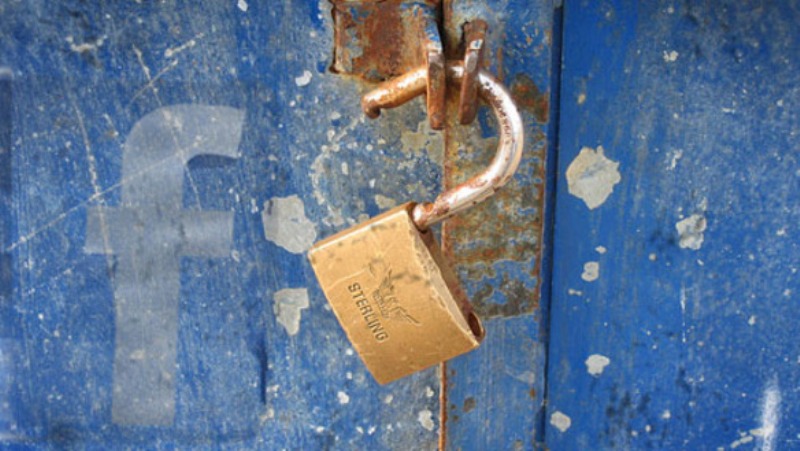
facebook lockIs Facebook secure? We questions the site’s security constantly, but no matter how many times evidence hints that the answer is a big fat “NO,” we keep coming back.

So there probably won’t be much fallout from the most recent Facebook security flaw discovery, even though Web application security specialist Nir Goldshlager figured how to hack into all of your Facebook pages. That’s right. Everyone. You. Me. Your grandma. Your high school friend who always posts uninformed political commentary.

Recommended Videos

Goldshlager investigated a weakness he found in Facebook’s OAuth system, and wrote about what the gaping security hole on his personal blog. In brief, he exploited an app authorization security flaw that easily gave him full access to Facebook user pages, even when users did not have installed apps on their account.

fb security
Image used with permission by copyright holder

As Goldshlager described it, “there are built-in Applications in Facebook that users never need to accept.” So even if you studiously avoid giving third-party apps permission to access your account, Facebook’s pre-installed applications (like Facebook Messenger) exposed users to the same vulnerability.

After reporting the problem to Facebook, the company awarded him its “White Hat” for security contributions. It also promptly fixed the bug.

Goldshlager exposes security flaws for a living, so if you’re worried about your nosy aunt hacking her way into your Facebook account, these flaws are too hidden for the average Facebook user to figure out. But even semi-sophisticated hackers could find similar holes and use them to hunt for personal information in private messages, leading to identity theft or widespread malware installation.

While the security issue has been fixed, we can’t blame anyone who’s a bit shaken up by the privacy and security failures of social networks. So if all this freaks you out too much, check out our guide to deleting your Facebook permanently.

[photo credit: Nick Carter via Flickr]

Kate Knibbs
Former Contributor
Kate Knibbs is a writer from Chicago. She is very happy that her borderline-unhealthy Internet habits are rewarded with a…
Snapchat Planets Meaning: Order, Rankings, and How Friend Solar System Works
Snapchat Planets turns your best friends list into a solar system, and yes, your orbit says a lot
Snapchat Planets being shown on the Snapchat app on iPhone.

Snapchat+ includes several exclusive features, but few have generated as much curiosity as Snapchat Planets. Part of the app's Friend Solar System, it transforms your Best Friends list into a planetary ranking, assigning each of your top eight friends a planet based on how often you interact.

From Mercury, which represents your closest friend, to Neptune, which represents your eighth closest, the system offers a quick visual snapshot of your interactions. But what do the different planets actually mean, and how does Snapchat decide who gets which one?

Read more
Instagram lands on Samsung TVs, with episodic series and live TV coming to your screen soon
Instagram for TV adds new features for group watching.
instagram-samsung-tv

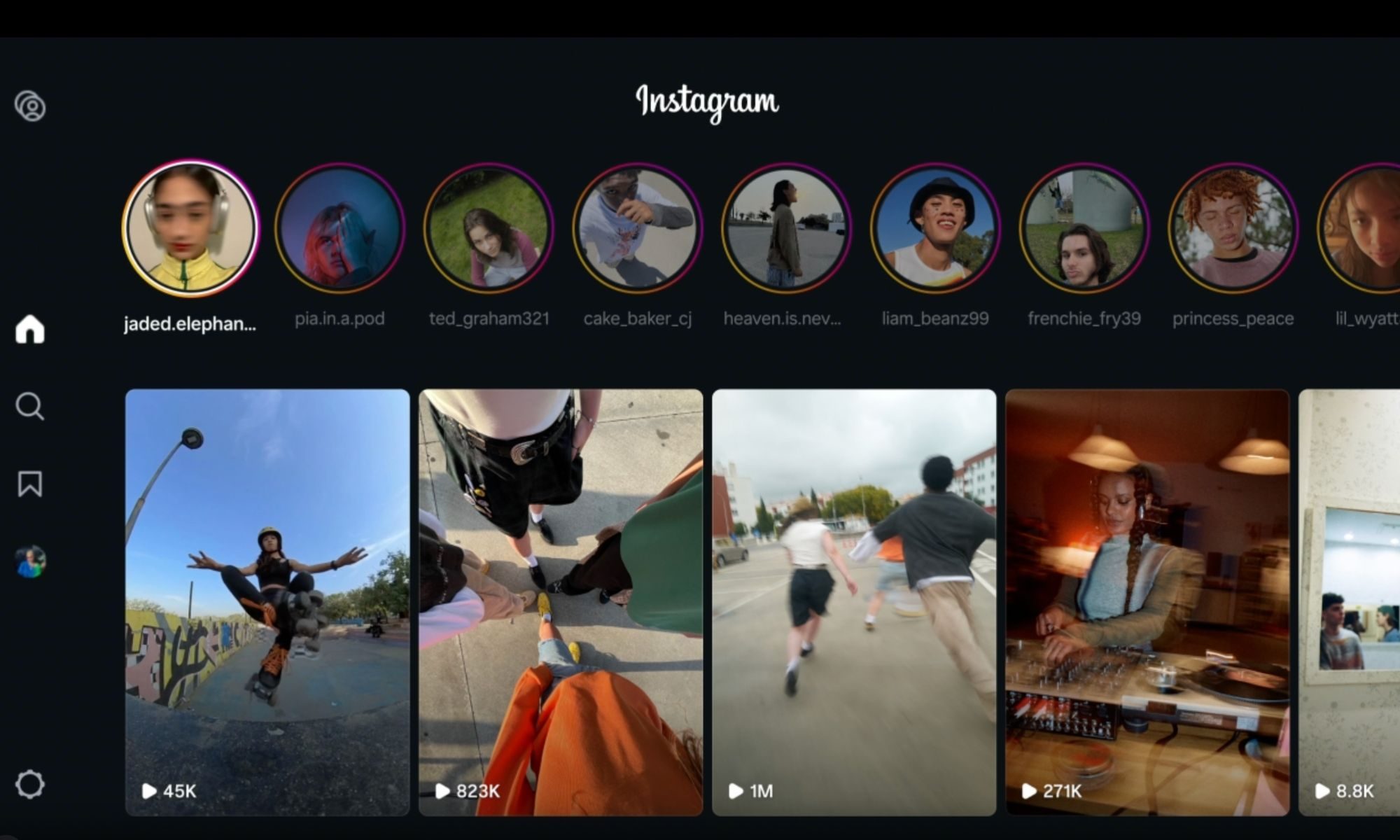
Meta just expanded Instagram for TV to Samsung Smart TVs across the US, rolling out a bunch of new features built for group viewing. With Samsung now on board, Instagram for TV has officially landed on the three biggest connected TV platforms in the country.

https://twitter.com/metanewsroom/status/2069062429821026732?s=46

Read more
TikTok’s AI slop problem is worse than you think — and kids are seeing the most of it
TikTok

TikTok has spent years perfecting the art of knowing exactly what you want to watch next. Open the app, scroll a few times, and suddenly it’s serving videos that feel uncannily tailored to your interests. But what happens before TikTok learns who you are? According to new research from video editing platform Kapwing, the answer is increasingly AI slop.

The study found that nearly 60% of the videos shown to a brand-new TikTok account were low-quality AI-generated content. That’s not a niche problem buried in obscure corners of the platform. It’s the first impression TikTok is making on new users before the algorithm even begins personalizing their feed. And if that sounds concerning, the findings around children’s content are even harder to ignore.

Read more