1. Home
  2. Social Media
  3. News

Twitter's emoji reactions might solve its 'heart' problem

Add as a preferred source on Google

Up until now, we’ve been limited to the star (R.I.P.) and the newly unveiled heart on Twitter if we wanted to react to a tweet. While the star seemed to work sufficiently (as a means of actually favoriting tweets, simply acknowledging someone else’s tweets, or casually ending conversations without actually tweeting, “Okay, bye now”) many users were still unsure of what they were saying when they pressed the star button. Recently, and not long after Twitter’s new heart added to the confusion, a user came across what allegedly appears to be Twitter testing emoji reactions as a way to interact with tweets.

Twitter user @_Ninji recently tweeted what looks to be a line of emoji reactions to choose from when the heart isn’t exactly the emotion you are going for. According to the tweet, choices include the party noisemaker, the “100” symbol, and for especially infuriating tweets, the face with steam coming out of its nose. In a comment to The Verge, the user said the emoji reactions were accessed through a jailbroken version of the app.

Recommended Videos

It wouldn’t be surprising if Twitter is in fact working on alternatives to its new heart button, considering the recent backlash that occurred when the star was itself quietly replaced by the heart (a.k.a. “like”) button. At the beginning of the month, the new heart left many users ambivalent about how “liking” a tweet, as opposed to just favoriting it, might be perceived, and the change was seen as forcing users to completely change how they interact with others. Also, Facebook’s plan to add emoji to its own line of reactions has long been in the works, in response to the same limitations users experience when obliged to press something that might indicate happiness or agreement when that wasn’t their intention.

However, @_Ninji also mentioned that the Twitter emoji reactions function appeared to be far from complete, so as it turns out, we’re stuck with the heart for now.

Christina Majaski
Former Digital Trends Contributor
Christina has written for print and online publications since 2003. In her spare time, she wastes an exorbitant amount of…
Snapchat Planets Meaning: Order, Rankings, and How Friend Solar System Works
Snapchat Planets turns your best friends list into a solar system, and yes, your orbit says a lot
Snapchat Planets being shown on the Snapchat app on iPhone.

Snapchat+ includes several exclusive features, but few have generated as much curiosity as Snapchat Planets. Part of the app's Friend Solar System, it transforms your Best Friends list into a planetary ranking, assigning each of your top eight friends a planet based on how often you interact.

From Mercury, which represents your closest friend, to Neptune, which represents your eighth closest, the system offers a quick visual snapshot of your interactions. But what do the different planets actually mean, and how does Snapchat decide who gets which one?

Read more
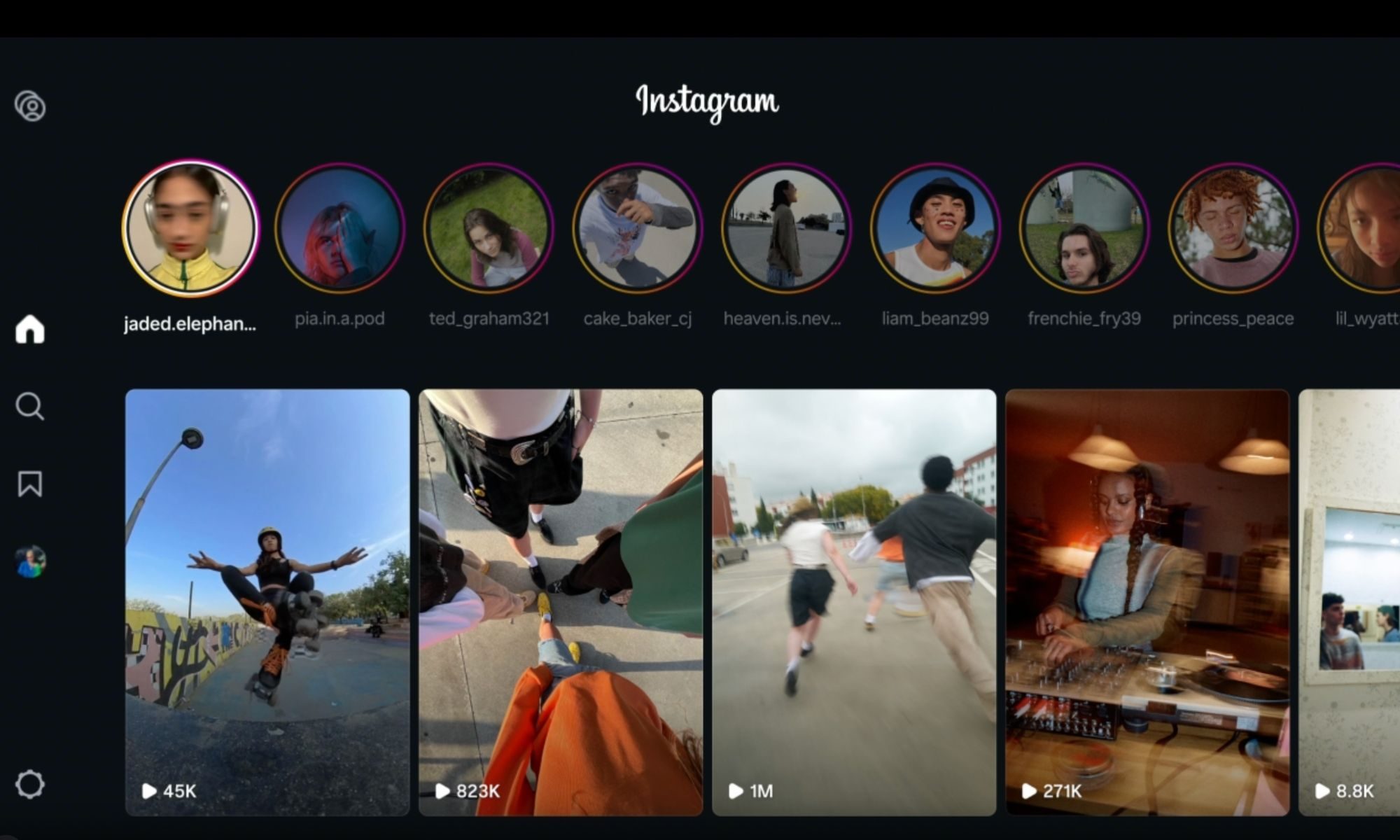
Instagram lands on Samsung TVs, with episodic series and live TV coming to your screen soon
Instagram for TV adds new features for group watching.
instagram-samsung-tv

Meta just expanded Instagram for TV to Samsung Smart TVs across the US, rolling out a bunch of new features built for group viewing. With Samsung now on board, Instagram for TV has officially landed on the three biggest connected TV platforms in the country.

https://twitter.com/metanewsroom/status/2069062429821026732?s=46

Read more
TikTok’s AI slop problem is worse than you think — and kids are seeing the most of it
TikTok

TikTok has spent years perfecting the art of knowing exactly what you want to watch next. Open the app, scroll a few times, and suddenly it’s serving videos that feel uncannily tailored to your interests. But what happens before TikTok learns who you are? According to new research from video editing platform Kapwing, the answer is increasingly AI slop.

The study found that nearly 60% of the videos shown to a brand-new TikTok account were low-quality AI-generated content. That’s not a niche problem buried in obscure corners of the platform. It’s the first impression TikTok is making on new users before the algorithm even begins personalizing their feed. And if that sounds concerning, the findings around children’s content are even harder to ignore.

Read more