1. Home
  2. Wearables
  3. News

Report: Apple Watch accounted for two-thirds of smart wearables shipped in Q2 2015

Add as a preferred source on Google

After its first quarter joining the ranks of companies manufacturing wearable devices, Apple finished No. 2, behind Fitbit and ahead of Xiaomi. Apple’s strong debut in the wearables market is both good and bad for its competitors, according to the International Data Corporation (IDC).

Apple shipped 3.6 million units of its only wearable device, the Apple Watch, in the second quarter of 2015, giving the company 19.9 percent of the global market. About two of every three smart wearables shipped in the quarter was an Apple Watch, according to Jitesh Ubrani, senior research analyst for IDC Mobile Device Trackers.

Recommended Videos

Fitbit shipped 4.4 million units of its wearables, good for a world-leading 24.3 percent of the market. This also reflected 158.8 percent year-over-year growth from the 1.7 million units the company shipped in the second quarter of 2014.

Xiaomi finished the second quarter in third place with 3.1 million wearble units shipped, giving it 17.1 percent of the market. Garmin (0.7 million units, 3.9 percent of the market) and Samsung (0.6 million units, 3.3 percent of the market) rounded out the top five. Other wearble vendors combined to ship 5.7 million units during the quarter.

Apple’s entrance into the wearables market draws attention to the entire market, according to Ramon Llamas, research manager for IDC’s Wearables team. “Its participation benefits multiple players and platforms within the wearables ecosystem, and ultimately drives total volumes higher,” he said. “Apple also forces other vendors — especially those that have been part of this market for multiple quarters — to re-evaluate their products and experiences.”

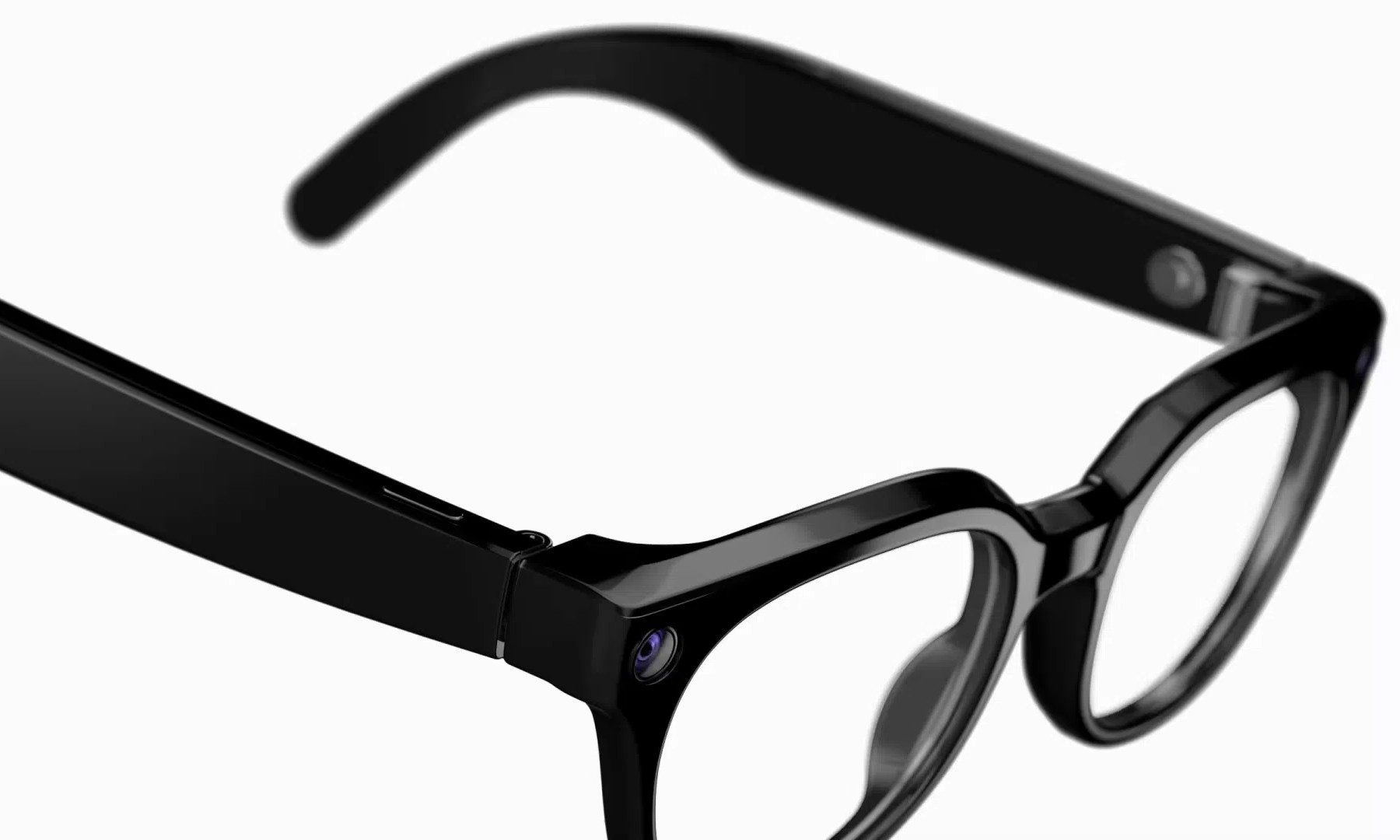
Llamas adds that Apple will become the measuring stick for other wearable manufacturers and that “everyone will be watching to see what other wearable devices it decides to launch, such as smart glasses or hearables.”

Jason Hahn
Former Contributor
Jason Hahn is a part-time freelance writer based in New Jersey. He earned his master's degree in journalism at Northwestern…
The OPPO Watch X3 has a ridiculous feature I cannot stop using
My smartwatch let me doomscroll from my wrist
Oppo Watch X3 Media Controls

While smartwatches were built to make us more health-conscious and have us reach for our phones less often. I always believed that a second (smaller) screen on your wrist basically can be just as distracting as your smartphone, and the Oppo Watch X3 decided to stop pretending by doubling down on this.

The Oppo Watch X3 comes with a dedicated remote control feature that lets me control my phone from my wrist, and I am having way too much fun messing around with it. This sounds ridiculous, but it has also been surprisingly handy.

Read more
Samsung’s smart glasses leak shows why your next Galaxy wearable may live on your face
Galaxy Glasses may turn Samsung’s Watch, Ring, and phone into one face-worn ecosystem
Samsung Galaxy Glasses leak

While Samsung already has a bunch of wearables, its upcoming smart glasses might tighten the experience even further. A new leak from SammyGuru offers an early look at the Galaxy Glasses Manager app, the companion app Samsung is expected to use for its new smart glasses.

The leak does not reveal final pricing, battery life, launch date, or every hardware spec. Unlike your typical leak that just hints at a device, the companion app actually makes it sound more real.

Read more
Meta will now charge you for the best AI feature on its smart glasses, and there’s a limit even if you pay
Meta is capping free Conversation Focus use to 3 hours per month, while Meta One Premium raises that to 15.
A person wearing the Ray-Ban Meta smartglasses.

Ray-Ban Meta glasses owners are getting less free use out of one of the glasses' AI features starting this month. Conversation Focus, which isolates and amplifies the voice of the person a wearer is talking to in loud settings, has been capped at three hours of use per month for anyone who doesn't pay for Meta One Premium. Meta confirmed the change on a support page this week, which also notes that a subscription is not required to use the AI glasses in general.

What the new usage tiers actually look like

Read more