1. Home
  2. Phones
  3. Emerging Tech
  4. Mobile
  5. Social Media
  6. News

Digital Trends may earn a commission when you buy through links on our site. Why trust us?

Be polite or be labeled as rude on Candid, a new anonymous social network

Add as a preferred source on Google

If you don’t have anything nice to say, you just can’t say it — not if you’re on Candid, at least. On Thursday, yet another anonymous social network launched on both the iOS and Android app stores, but this one comes with a twist — on Candid, you have to be nice. That’s because content is curated and moderated by artificial intelligence and natural language processing, which purports to flag or remove inappropriate content, and keep a conversation decorous.

Founded by ex-Googler Bindu Reddy, Candid requires users to sign in by way of Facebook, but once they’re on the platform, all their content is kept separate from their identity. They’re informed of how many Facebook friends they have on the new social network, but not which friends specifically. There are no IP addresses recorded, and a random username is given to each post. That means that you can’t really search for these usernames either.

Recommended Videos

But just because others may not know who you are on Candid doesn’t mean Candid can’t keep things clean. Sentiment analysis is used to assign badges that are consistent across usernames, so that if you consistently post content that reads a bit like a rumor, you’ll get a badge that reads “gossip.” Or, if you’re consistently a Debbie Downer, your badge may say “hater.” Having these badges, Candid believes, may help to either deter users from resorting to negativity, or warn other users to take these posts with a grain of salt.

And in today’s social media-obsessed world, knowing what to take seriously and when can be critical. In explaining her rationale behind creating Candid, Reddy said, “Expressing my opinion, especially about controversial issues [on social media], inevitably upsets someone. I needed a place to express myself and engage in discussions where ideas can be debated on their own merits instead of being used to attack me as a person.”

That’s Candid’s goal — frank, honest, and anonymous discussion that exists without the risk of bullying and abuse that has become almost second nature in many corners of the internet. Ultimately, Reddy told Forbes, “Platforms have to curate. AI can help remove the noise, reduce the anonymous hatred, and encourage users to share more content.”

Download for iOS Download for Android

Lulu Chang
Fascinated by the effects of technology on human interaction, Lulu believes that if her parents can use your new app…
TSMC might set up a price hike that could come straight for your next phone, laptop, or tablet
Here's what TSMC's rumored 10% chip price increase actually means in dollar terms, and why your next phone or laptop could end up costing more.
TSMC Fab

My wallet flinched the second I saw the words "TSMC" and "price increase" in the same headline, and honestly, yours should too.

Turns out the company behind the silicon powering basically every flagship device out there, including Apple’s A-series and Qualcomm’s Snapdragon processors, is reportedly about to make all of it a little pricier.

Read more
Samsung’s free storage doubling for preorders is gone in Austria, and the replacement isn’t as sweet
Samsung's free storage doubling deal might just be history.
The back of the Galaxy Z Fold 7

If you've pre-ordered a Samsung foldable purely for the free storage bump, tomorrow's Unpacked event might sting a little.

For years, pre-ordering a new Galaxy meant automatically getting double the storage at no additional charge. Buy the 128GB model, walk away with 256GB for the same price. The same applied to the 256GB and 512GB models. However, that might change at the upcoming Galaxy Unpacked event. 

Read more
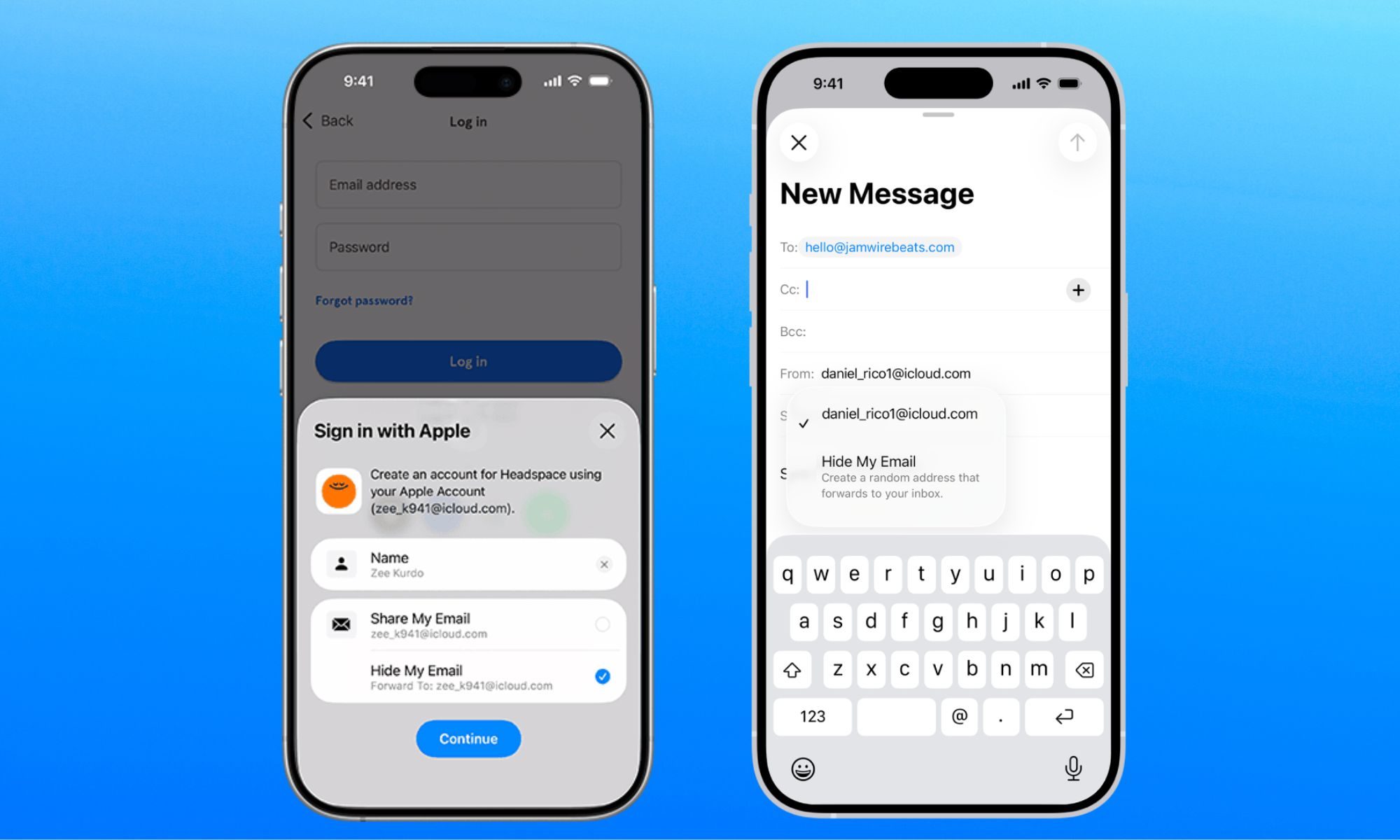
Apple fixes Hide My Email bug that exposed users’ real email addresses
Here's how Apple's Hide My Email flaw leaked real addresses for over a year, and why it only got fixed once the story went public.
apple-merging-sign-in-with-apple-hide-my-email-icloud+

Turns out the "Hide" part of Hide My Email wasn't doing its job quite as advertised, something that I covered early in July. Security researcher Tyler Murphy reported the flaw in June 2025, but despite Apple claiming it was resolved in March 2026, independent tests confirmed it remained exploitable, at least until July 3, 2026.

So how did this bug actually work?

Read more