1. Home
  2. Emerging Tech
  3. News

3D-printed 'Sovereign Armor' is the most amazing cosplay creation ever

Add as a preferred source on Google

Sometimes you see a 3D-printed item so jaw-droppingly awesome that it reminds you all over again of just how astonishing an invention additive manufacturing is.

That perfectly describes our reaction to the mind-blowing 3D-printed art that is Lumecluster fantasy designer Melissa Ng’s “Sovereign Armor.” Having previously dazzled with her 3D-printed Regalia Armor, Ng told Digital Trends that she wanted to take on an even more ambitious project: one that featured 91 separate 3D-printed pieces and included embedded LED lights to make it look like the wearer of the armor is literally glowing.

Recommended Videos

“I was very intrigued by the heated debates between fantasy lovers and historical armor enthusiasts,” she says. In particular, Ng was interested in challenging the idea of what female armor “should” look like. “I wanted to throw my interpretation into the mix to help show that women can look strong, powerful, ethereal [and] beautiful without always simply defaulting to the bikini ‘armor,’” she said.

The work took over 500 hours to develop, which doesn’t include the time spent doing the actual 3D printing. Hours were racked up consulting with historical armor expert Ian LaSpina (Knyght Errant), testing new flexible 3D-printing materials and finishing methods, and making sure everything fitted perfectly — because when you’re creating an item as customized and time-consuming as this it’s not as straightforward as returning it to the store if it doesn’t fit perfectly at the end.

Measurements for the armor were taken manually and then entered into customizable figure program Design Doll, designed with Blender, before the resulting 3D model was sent off to 3D-printing service Shapeways to painstakingly print each piece using an elasto plastic. A lengthy post-production process followed, involving hand-painting the individual pieces.

“The biggest hurdle was researching medieval armor and giving myself a crash course on armor functionality,” Ng says. “Keep in mind I was also designing everything in a digital space so I didn’t have anything physically in front of me to check if what I was designing would seamlessly work together or not. This was also a one-shot 3D print. No reprints.”

Fortunately things couldn’t have turned out any better. And as for what’s up Ng’s 3D-printed sleeve next? “I’ve been playing with some ideas for something more impact resistant,” she says. “You’ll just have to wait and see.”


Luke Dormehl
I'm a UK-based tech writer covering Cool Tech at Digital Trends. I've also written for Fast Company, Wired, the Guardian…
Yet another study says AI is bad for elections, and the rabbit hole gets worse
AI may be an election bomb waiting for someone to light the fuse
Voters cast their ballots on Election Day

Another election, another study has concluded that asking an AI chatbot for political guidance is a spectacularly bad idea. Research conducted during Hungary’s 2026 parliamentary election found that ChatGPT and Google Gemini offered not just inaccurate but also inconsistent and unreliable voting advice. The chatbots misclassified voter profiles, overlooked relevant parties, recommended parties absent from the ballot, and sometimes produced materially different answers when given the same information repeatedly.

AI keeps failing the voter test

Read more
Samsung’s humanoid robot ambitions are real, but factories come first
Samsung’s new robotics division has humanoids in its sights, although its immediate business is far more practical factory automation
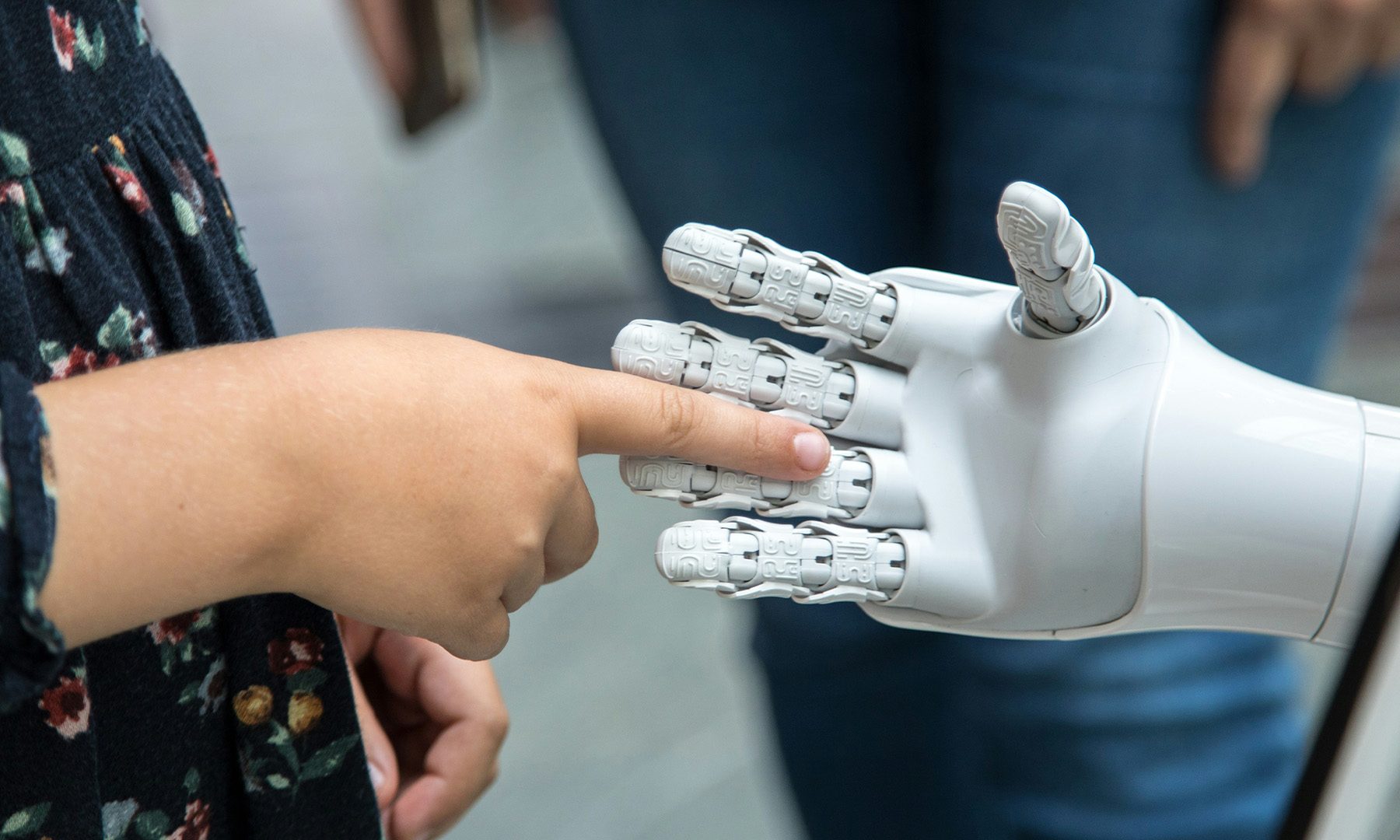
Robot Touch Human Finger

Samsung wants a place in the humanoid race, but its new robotics push begins with machines built for factories rather than homes.

The CEO-led RX robotics division will initially focus on manufacturing robots. Samsung has separately identified humanoids as a priority, although it hasn’t announced a commercial model or explained where one fits into the division’s immediate plans.

Read more
The future of AI may depend on this one behind-the-scenes change
Running Claude on Android.

Whenever a new AI model arrives, it's easy to get caught up in the bells and whistles. We talk about how much smarter it is, how quickly it answers questions, or how realistic its images have become. But here's the thing: none of that matters much if the AI can't reliably work with the apps and services people use every day.

That's why an upcoming update to the Model Context Protocol (MCP) caught my attention. It isn't a new chatbot or a fancy AI model. In fact, most people will never even know it's happening. But it could quietly make the AI ecosystem a lot healthier. If you've never heard of MCP before, don't worry. Think of it as a shared language that lets AI assistants safely talk to apps like Gmail, Slack, calendars, databases, and countless other services. Instead of every company inventing its own way to make those connections, MCP gives everyone a common rulebook.

Read more