1. Home
  2. Emerging Tech
  3. News

In just one year, Tesla and SolarCity created a solar-powered island

Add as a preferred source on Google

Island living may sound like dream, but despite those white sandy beaches, tropical weather, and seemingly endless sunshine, the dream can sometimes turn nightmarish. That was particularly true for the island of Ta’u in American Samoa, which sits over 4,000 miles away from the California coastline, and has become accustomed to power rationing, electricity outages, and similar issues.

But thanks to a new partnership between Tesla and SolarCity, Ta’u is now leveraging its sunbathed location to its advantage by way of a new “solar power and battery storage-enabled microgrid that can supply nearly 100 percent of the island’s power needs from renewable energy,” as per a SolarCity blog post.

Recommended Videos

The impressive achievement was made possible by SolarCity’s power generation and Tesla Powerpack-based storage, and has since given residents of the island a cost-efficient alternative to diesel and other fossil fuels, and just as importantly, a reliable energy source. Perhaps the most noteworthy aspect of the new eco-friendly solution, however, lies in its timeline. As SolarCity notes, “The microgrid — 1.4 megawatts of solar generation capacity from SolarCity and Tesla and 6 megawatt hours of battery storage from 60 Tesla Powerpacks — was implemented within just one year from start to finish.”

It’s a game changer for Ta’u residents, who can now rest easy knowing that their schools, law enforcement stations, and local businesses will constantly have the power they need to operate, and without killing killing anyone’s budget (or the planet), either. “It’s always sunny out here, and harvesting that energy from the sun will make me sleep a lot more comfortably at night, just knowing I’ll be able to serve my customers,” said Keith Ahsoon, whose family owns and runs one of the island’s food stores.

And with Ta’u as a case study for what is possible, the microgrid solution may soon find further opportunities for implementation. “Today, microgrid solutions featuring solar power and energy storage cost less than diesel almost anywhere in the world and are a cleaner, safer alternative,” SolarCity pointed out. “Solar and storage systems also eliminate expenses and issues associated with shipping diesel, and provide stable power costs for decades, unlike fluctuating fossil fuel prices — all by simply switching to the power of the sun.

Lulu Chang
Fascinated by the effects of technology on human interaction, Lulu believes that if her parents can use your new app…
Samsung’s humanoid robot ambitions are real, but factories come first
Samsung’s new robotics division has humanoids in its sights, although its immediate business is far more practical factory automation
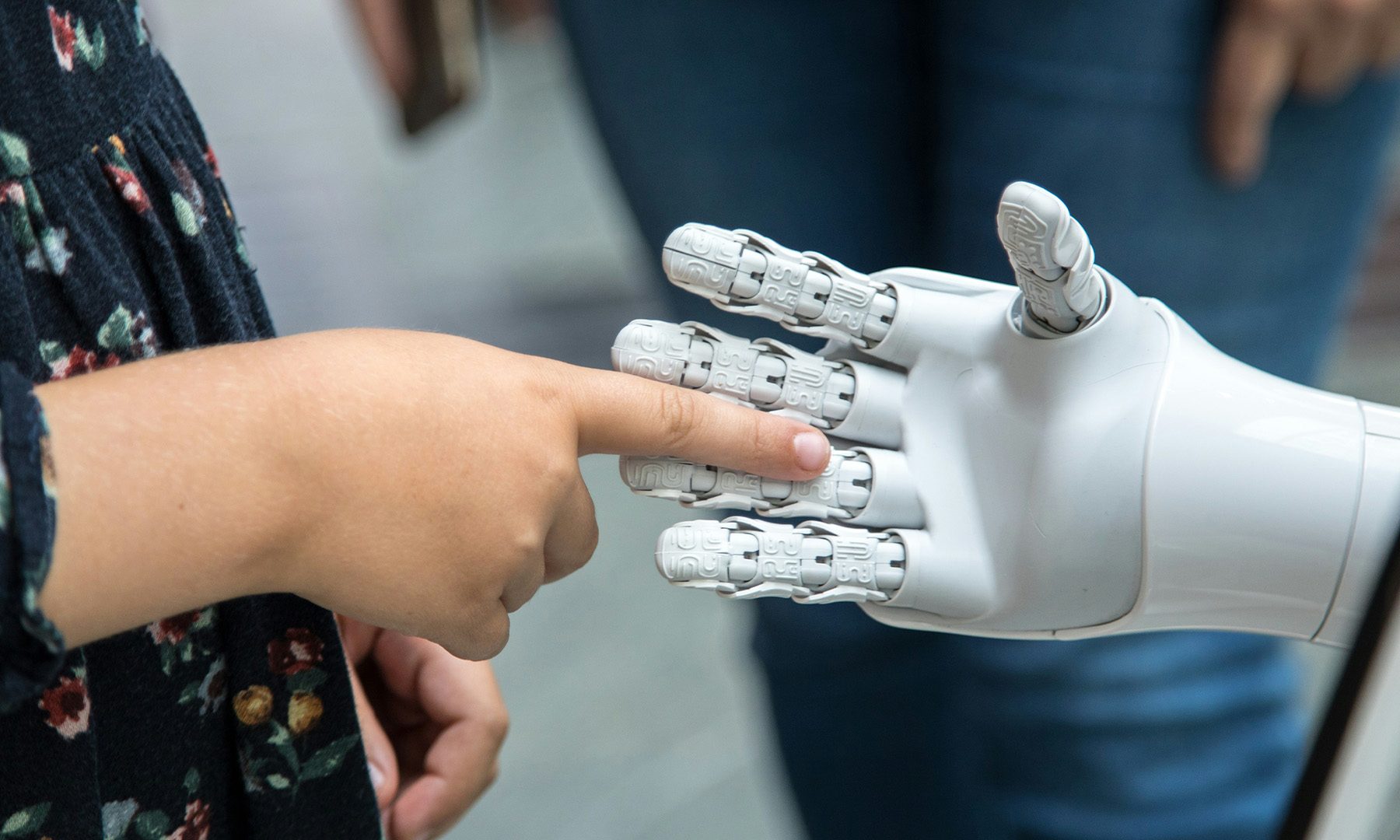
Robot Touch Human Finger

Samsung wants a place in the humanoid race, but its new robotics push begins with machines built for factories rather than homes.

The CEO-led RX robotics division will initially focus on manufacturing robots. Samsung has separately identified humanoids as a priority, although it hasn’t announced a commercial model or explained where one fits into the division’s immediate plans.

Read more
The future of AI may depend on this one behind-the-scenes change
Running Claude on Android.

Whenever a new AI model arrives, it's easy to get caught up in the bells and whistles. We talk about how much smarter it is, how quickly it answers questions, or how realistic its images have become. But here's the thing: none of that matters much if the AI can't reliably work with the apps and services people use every day.

That's why an upcoming update to the Model Context Protocol (MCP) caught my attention. It isn't a new chatbot or a fancy AI model. In fact, most people will never even know it's happening. But it could quietly make the AI ecosystem a lot healthier. If you've never heard of MCP before, don't worry. Think of it as a shared language that lets AI assistants safely talk to apps like Gmail, Slack, calendars, databases, and countless other services. Instead of every company inventing its own way to make those connections, MCP gives everyone a common rulebook.

Read more
The AI game-dev boom has a dark side: fewer jobs for the people starting out
Solo creators are thriving with tools like Claude Code and Copilot, but entry-level game roles are disappearing.
Man playing a video game on a desktop with glowing red and blue lights

AI is making it easier than ever for a single person to build a game. That sounds like a win for creativity, and in many ways, it absolutely is. But there is a catch. As generative AI tools help solo developers and small studios do more with fewer people, the same shift is making life tougher for writers, artists, concept creators, and junior programmers trying to break into the gaming industry.

AI is giving solo developers superpowers

Read more