1. Home
  2. Computing
  3. Web
  4. News

Opera celebrates two decades of web browsing with version 42

Add as a preferred source on Google

This year, Opera celebrates 20 years of its web browser being available to users. To mark this milestone, the company has released Opera 42, a new version of the browser that packs some handy new features that are sure to please longtime users and more recent adopters alike.

One such feature is a built-in currency converter intended to streamline the process of making purchases from international retailers. Users simply need to use their mouse to highlight a price tag on an online storefront, and they’ll be presented with a conversion to their local currency.

Recommended Videos

The browser supports conversion in 32 currencies, using figures sourced daily from the European Central Bank to make its calculations.

Opera 42 also introduces improvements to the browser’s newsreader functionality. Users can now access web feeds for the sites they’re visiting by clicking the newspaper icon in the address bar, at which point they can add the feed to their favorite sources and receive a notification whenever new content is published. This feature is disabled by default, but can be switched on from the settings menu.

Startup should also be quicker as of the latest version, thanks to a clever tweak to the way tabs are loaded. Instead of simply loading tabs in order, Opera 41 will take into account which ones were used most recently before the user closed the program.

Finally, the new iteration of Opera improves upon the install process thanks to the inclusion of its network installer for 64-bit builds. The installer is able to detect the architecture its running on and install either the 32-bit or 64-bit version of the program, and it’s even able to upgrade from the 32-bit version to its 64-bit equivalent.

Opera 42 is available now — more details on the new version can be found in the blog post announcing its release.

Brad Jones
Brad is an English-born writer currently splitting his time between Edinburgh and Pennsylvania. You can find him on Twitter…
TSMC might set up a price hike that could come straight for your next phone, laptop, or tablet
Here's what TSMC's rumored 10% chip price increase actually means in dollar terms, and why your next phone or laptop could end up costing more.
TSMC Fab

My wallet flinched the second I saw the words "TSMC" and "price increase" in the same headline, and honestly, yours should too.

Turns out the company behind the silicon powering basically every flagship device out there, including Apple’s A-series and Qualcomm’s Snapdragon processors, is reportedly about to make all of it a little pricier.

Read more
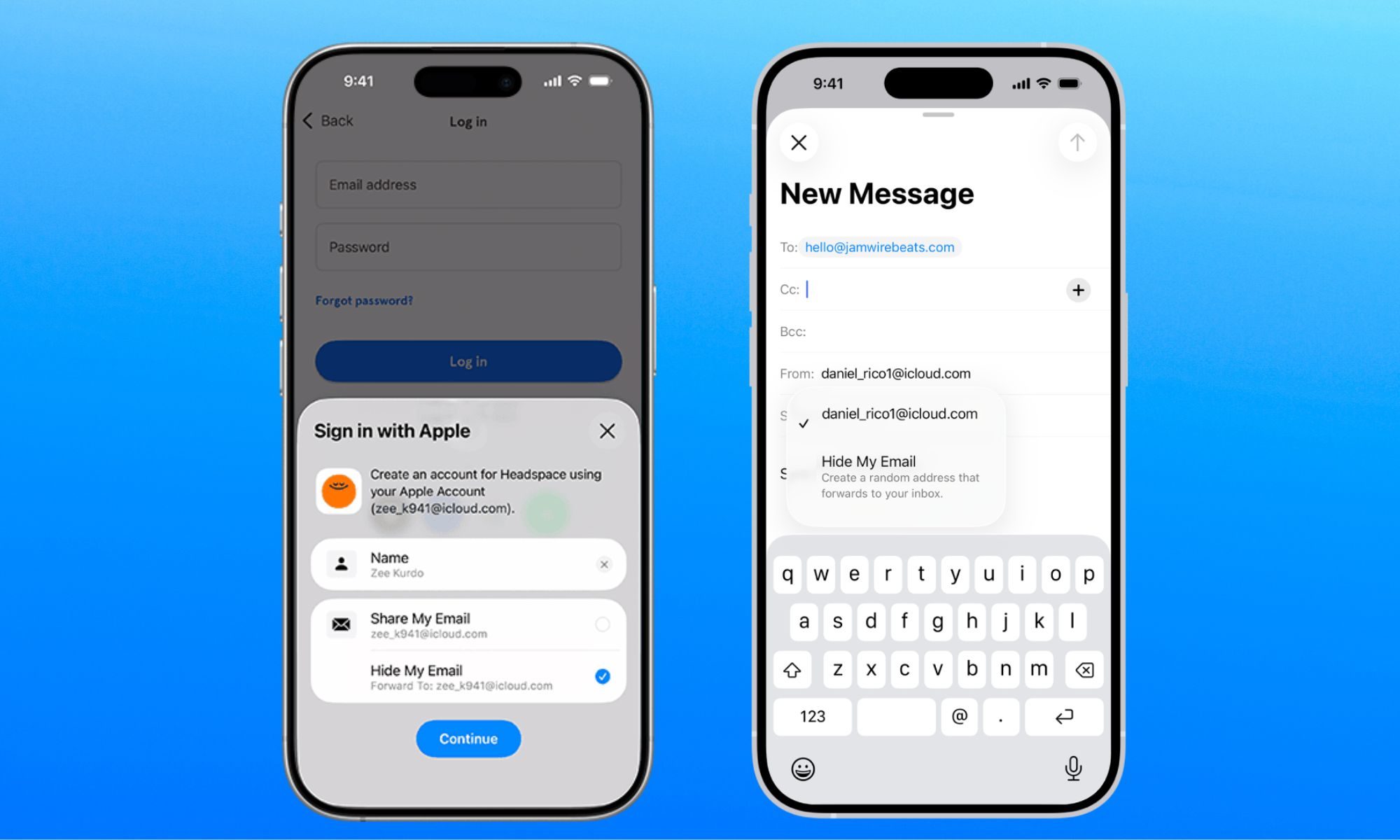
Apple fixes Hide My Email bug that exposed users’ real email addresses
Here's how Apple's Hide My Email flaw leaked real addresses for over a year, and why it only got fixed once the story went public.
apple-merging-sign-in-with-apple-hide-my-email-icloud+

Turns out the "Hide" part of Hide My Email wasn't doing its job quite as advertised, something that I covered early in July. Security researcher Tyler Murphy reported the flaw in June 2025, but despite Apple claiming it was resolved in March 2026, independent tests confirmed it remained exploitable, at least until July 3, 2026.

So how did this bug actually work?

Read more
Gemini Notebook’s new Collections arrive just as Google turns it into a bigger workspace
Google is cleaning up notebook organization as the former NotebookLM expands across Gemini and Search
Gemini Notebook branding on a MacBook

Google has barely finished renaming NotebookLM, and it’s already addressing one of the headaches that comes with building a large research library.

Collections are rolling out to all Gemini Notebook users, giving them a way to group related notebooks while keeping everything visible under My Notebooks. The dashboard gets some structure without asking users to rearrange the library they’ve already built.

Read more