1. Home
  2. Computing
  3. News

Lumus announces two new augmented displays at CES 2017

Add as a preferred source on Google

If 2016 was the year that hosted virtual reality’s coming out party, many developers are hoping to do the same for augmented reality this year. One company working towards that goal is Lumus, which has announced two new, immersive augmented reality displays at this year’s Consumer Electronics Show.

Supported by a $45 million investment from a number of top electronics manufacturers, Lumus has debuted two new augmented reality displays. The first is the Maximus, which at 55 degrees is the largest field-of-view display that Lumus has ever created. While this may not seem like much compared to virtual reality displays, bear in mind that this is for a single eye.

Recommended Videos

The Maximus is designed to be a high-end AR solution for gamers and AR developers. It has what Lumus describes as a ‘top down’ design, which allows it to work with prescription glasses or in conjunction with other lenses.

The second display that Lumus is proud to announce is the Sleek. Designed as a more understated alternative to the Maximus, it is aimed at everyday use and is a more practical solution for a wider range of lower-level scenarios.

Both technologies are being shown off at Lumus’ CES 2017 booth, with a number of different demonstrations and experiences for people to try that will highlight the potential for mixed reality in public and personal settings.

“Lumus is determined to deliver on the promise of the consumer AR market by offering a range of optical displays to several key segments,” Lumus CEO Ben Weinberger said. “From our unique vantage point as the key enabler of augmented reality eyewear, we foresee the consumer AR market arriving sooner than expected, with some of our customers planning to introduce consumer prototypes during the coming year.”

Lumus hopes to differentiate itself from other augmented reality hardware and software developers through the use of its reflective waveguide technology. It claims far brighter augmented reality thanks to this technology and believes it can handily take on some of the emerging giants of the fledgling industry.

Jon Martindale
Jon Martindale covers how to guides, best-of lists, and explainers to help everyone understand the hottest new hardware and…
Asus and Gigabyte just made your next RTX 50 GPU even more expensive
One canceled order shows exactly how brutal the current market has become for buyers.
asus-nvidia-GeForce-RTX-5060-evo

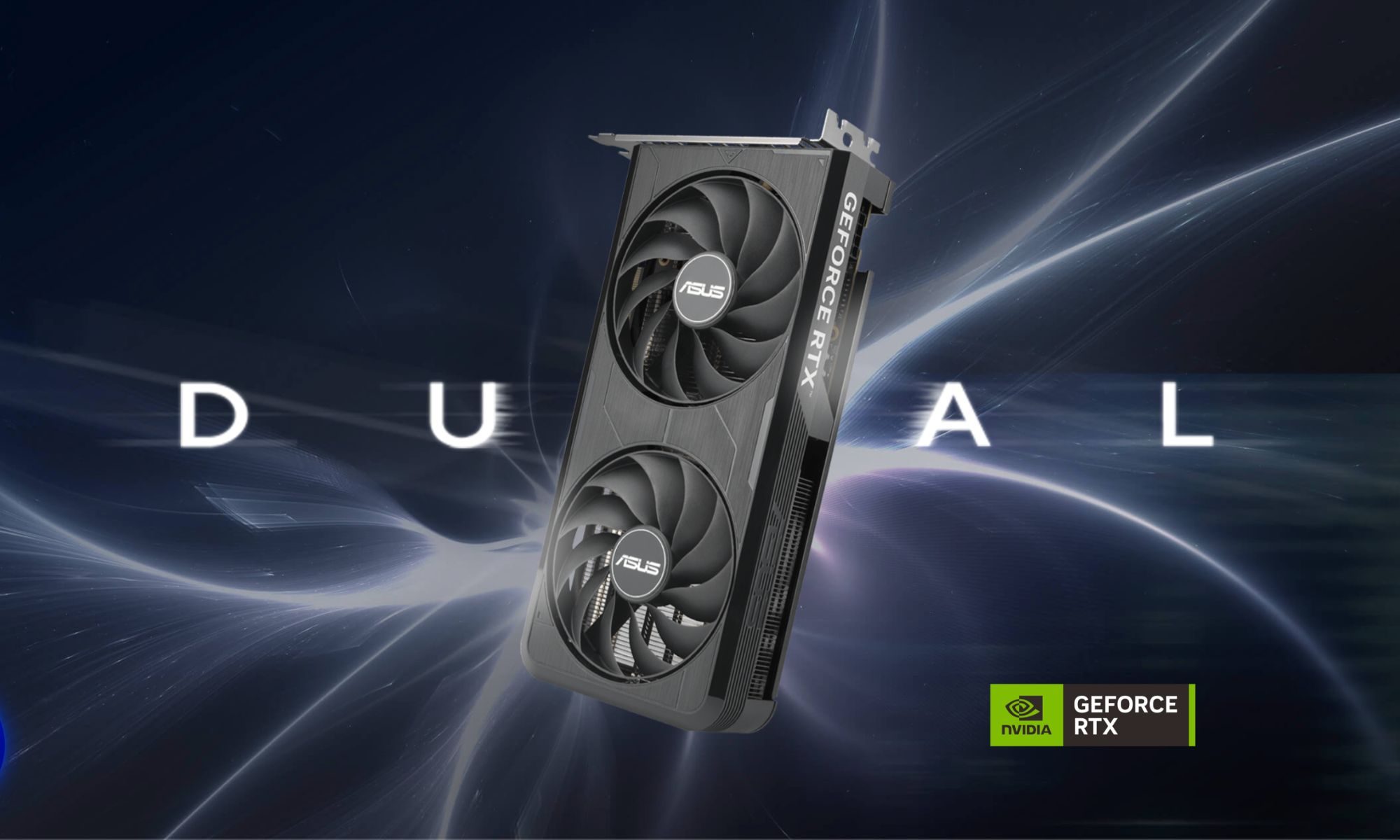
After weeks of rumors around another round of hikes, Asus and Gigabyte have pulled the plug. They’ve made the impending price hike official, increasing prices across their entire RTX 50 lineup, and even AMD's Radeon RX 9000 cards. 

It’s worth mentioning that both companies already raised prices in January, blaming the ongoing DRAM and NAND memory shortage and surging costs. From what it looks like, things have only gotten worse since. 

Read more
Huawei made an utterly sleek laptop that’s 35% lighter than MacBook Air. Too bad you don’t need it.
The MateBook Pro S weighs less than 800 grams but runs HarmonyOS instead of Windows
Pen, Notebook, Computer

Huawei has made one of the most tempting ultralight laptops most people will probably never consider buying. The new MateBook Pro S weighs just 798 grams in its lightest configuration, making it around 35% lighter than the 13-inch MacBook Air. It is slightly thicker at 11.9mm, but Huawei still managed to fit a larger display and a 54Wh battery inside its magnesium-alloy chassis.

Its color options are pure eye candy, too. The soft pastel finishes immediately reminded me of the MacBook Neo and give the laptop far more personality than the usual sea of silver, gray, and black ultrabooks.

Read more
Wispr Flow launches an AI note-taker that works without joining calls
The new Wispr Flow tool called Notetaker creates live transcripts, summaries, and follow-up notes
Page, Text

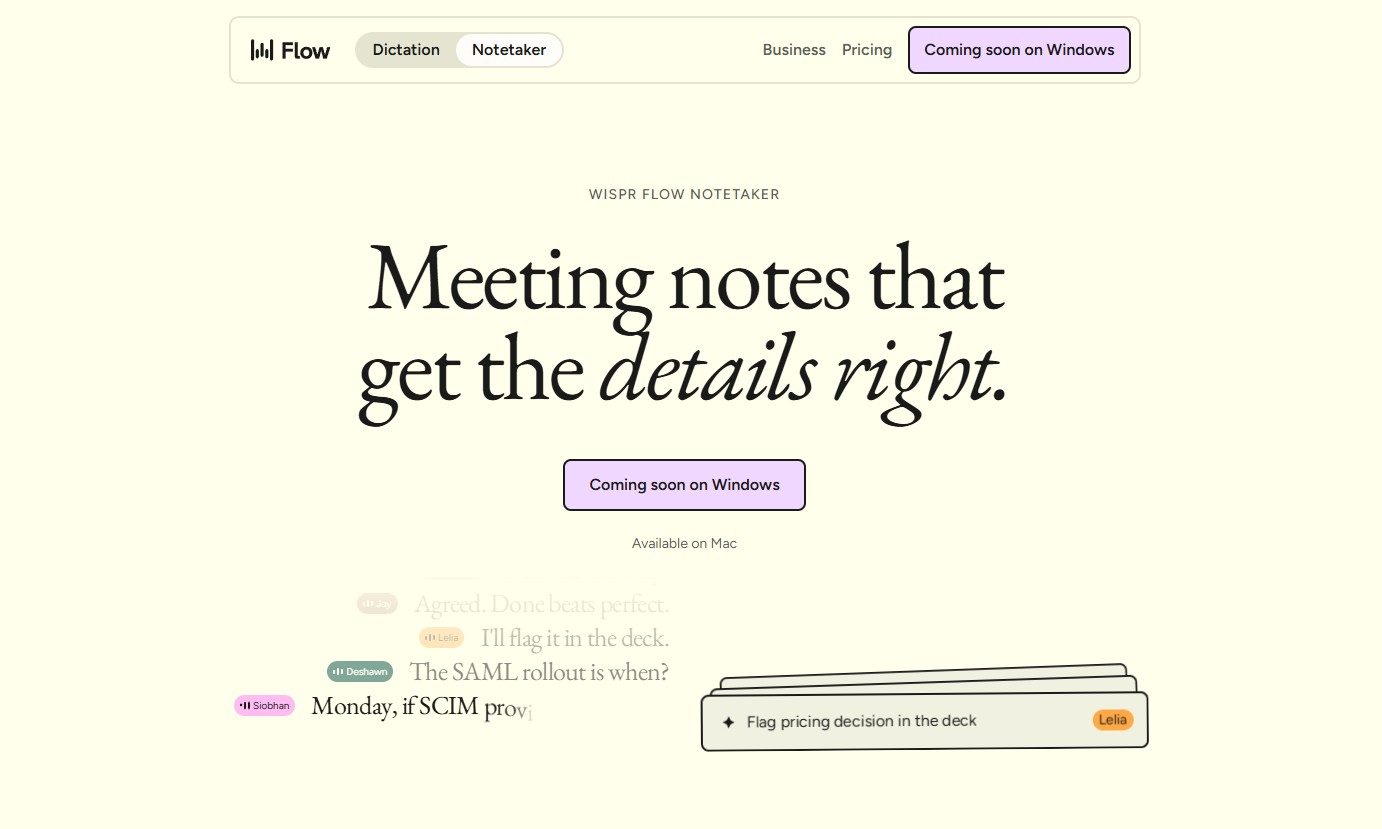
Wispr Flow has launched Notetaker, an AI meeting assistant built into its existing Mac app. It can record conversations, show a live transcript, and prepare notes covering decisions, deadlines, assigned work, and unresolved issues.

Wispr Flow is best known for its dictation tool, which turns spoken thoughts into edited text wherever the user is working. Notetaker takes the company beyond voice typing and applies its transcription technology to meetings, interviews, and in-person conversations.

Read more