1. Home
  2. Emerging Tech
  3. News

Physicists inadvertently discover a way to mass-produce graphene

Add as a preferred source on Google

By this point, you’ve almost certainly heard of graphene: the ultra-strong, ultra-versatile wonder material that can seemingly do no wrong. But while graphene has a wealth of potentially transformative use-cases, one problem it has had until now is that it can’t be easily and cheaply mass-produced.

That may have changed courtesy of a breakthrough at Kansas State University, where physicists have inadvertently discovered a way to mass-produce graphene using nothing more complex than hydrocarbon gas, oxygen, and a spark plug.

Recommended Videos

The method, which has now been patented, involves oxygen and either acetylene or ethylene gas being placed into a chamber, with the spark plug then prompting a contained detonation that produces the graphene in bulk.

Lead inventor Professor Chris Sorensen described the discovery to Digital Trends as “serendipity” striking. “We got lucky,” he said — noting that the discovery was a fortunate byproduct of work being done into carbon soot aerosol gels. Nonetheless, it is a particularly exciting step forward,

“We’ve looked at what other people have achieved with synthetic methods and we feel our method has a number of advantages,” Professor Sorensen said. “The biggest of those is simplicity. All we have to do is to fill a chamber with some oxygen and hydrocarbon, and then use a detonation. We don’t need a catalyst, there are no nasty chemicals, and it looks scaleable. We think it’s a very nice process.”

As noted, graphene has a range of incredibly exciting applications — extending from potentially improving smartphone battery life to acting as a material for future wearable tech, or even detecting cancer in the human body. There are plenty of labs around the world doing this exciting work, and hopefully now they’ll have a ready supply to carry it out with.

“I’m not a graphene physicist, I’m an aerosol scientist,” Sorensen said, self-effacingly. “I feel a bit like I’ve adopted a wolf. The wolf loves me and I love the wolf, so I’m going to keep her, but it’s not my area of expertise. It would be great to license this stuff, and we’re already getting some interest from people about that.”

Luke Dormehl
I'm a UK-based tech writer covering Cool Tech at Digital Trends. I've also written for Fast Company, Wired, the Guardian…
You can now buy a computer mouse controlled entirely by your tongue
Augmental has opened public sales of the MouthPad, and introduced a new wearable that lets you type hands-free.
Augmental MouthPad and Vox featured

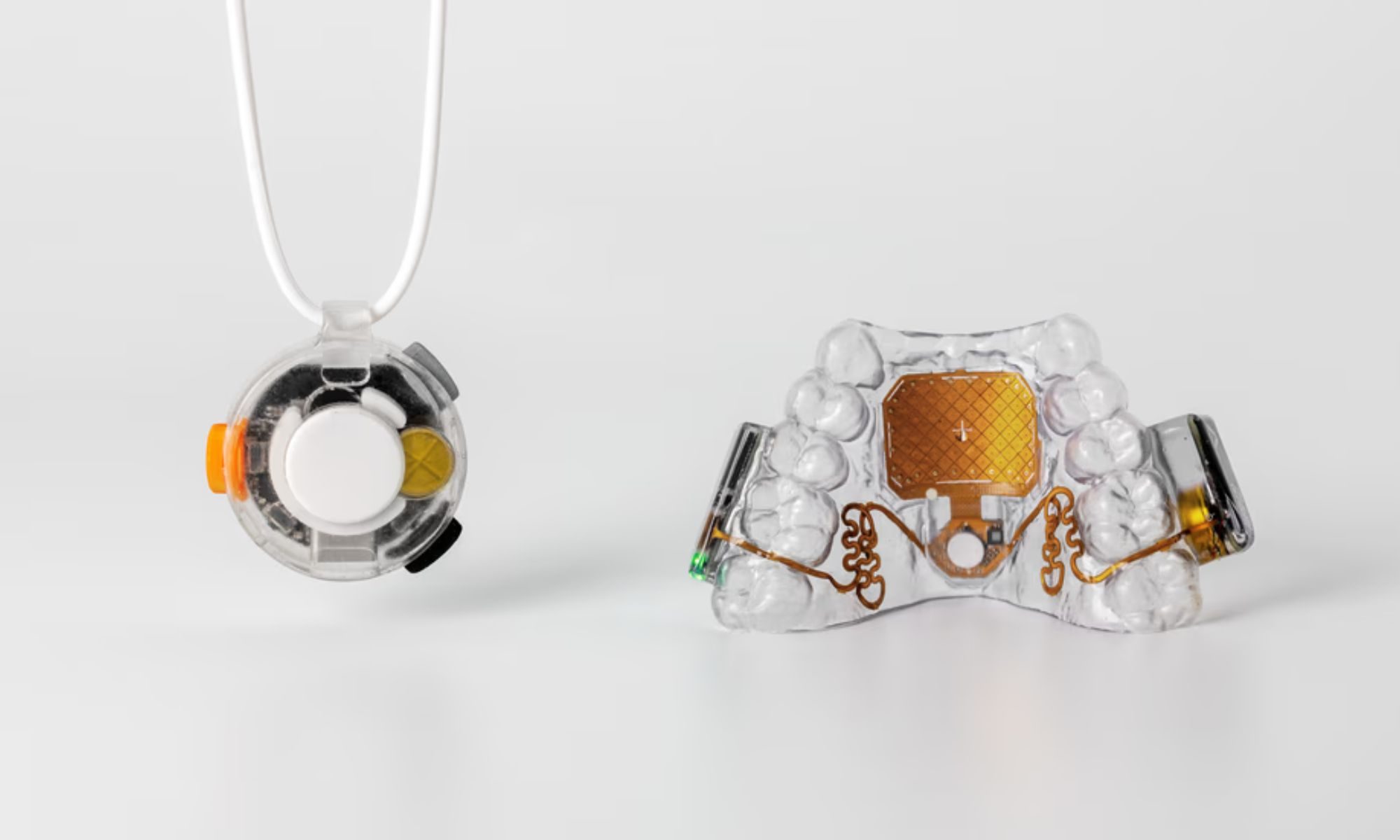
Augmental first showed off its tongue-controlled MouthPad as a CES curiosity in 2024. Today, the device is a real product you can buy, with the company opening public US sales alongside a beta release of Vox, a companion wearable built to handle the typing half of Augmental's hands-free computing promise.

A retainer that doubles as a mouse

Read more
Yet another study says AI is bad for elections, and the rabbit hole gets worse
AI may be an election bomb waiting for someone to light the fuse
Voters cast their ballots on Election Day

Another election, another study has concluded that asking an AI chatbot for political guidance is a spectacularly bad idea. Research conducted during Hungary’s 2026 parliamentary election found that ChatGPT and Google Gemini offered not just inaccurate but also inconsistent and unreliable voting advice. The chatbots misclassified voter profiles, overlooked relevant parties, recommended parties absent from the ballot, and sometimes produced materially different answers when given the same information repeatedly.

AI keeps failing the voter test

Read more
Samsung’s humanoid robot ambitions are real, but factories come first
Samsung’s new robotics division has humanoids in its sights, although its immediate business is far more practical factory automation
Robot Touch Human Finger

Samsung wants a place in the humanoid race, but its new robotics push begins with machines built for factories rather than homes.

The CEO-led RX robotics division will initially focus on manufacturing robots. Samsung has separately identified humanoids as a priority, although it hasn’t announced a commercial model or explained where one fits into the division’s immediate plans.

Read more