1. Home
  2. Computing
  3. Web
  4. News

Google devices mutiny en masse — has the robot uprising begun?

Add as a preferred source on Google

Late last night, Google experienced a bizarre outage which caused a number of devices to misbehave. The devices in question, the OnHub router, Google Wifi, and Chromecast, all logged themselves out of their user accounts, and in some cases went so far as to reset themselves to factory settings.

It’s unknown precisely how many devices were affected, but it appears to be the result of an internal issue at Google, not some kind of malicious attack. According to Tech Hive, if you were logged out of your device last night, your data is secure, but you might have to set up the device all over again.

Recommended Videos

We know some of you had issues signing in today. Please try again now. Rest easy — your account's security was not affected.

— Google (@Google) February 24, 2017

The Google Wifi mesh network routers, and the last-gen Google OnHub routers were the most profoundly affected by the outage. Instead of just being logged out, the Google routers were reset to factory defaults. If your router was affected, you’ll have to set up your network all over again.

“We experienced an issue with our Google Accounts engine that may have affected your Google Wifi or OnHub device. This causes some devices to automatically reset to the initial state you bought them in,” reads the Google help page dedicated to the issue.

Google’s Accounts Engine, the beating heart of your Google experience, appears to have been the culprit. While it’s certainly convenient to login to so many devices and services with the same account, last night’s outage illustrates one of the dangers posed by convenience. When one account goes down, all the services and devices reliant upon it will follow suit — like dominoes.

Luckily, last night’s outage was over quickly, and doesn’t appear to have been too widespread. Being logged out and having a few devices reset to factory settings is inconvenient, but not dangerous.

Still, while you’re rebuilding your home network, and logging into your Google accounts again, now would be a good time to make sure you have two-factor authentication enabled, and change your passwords just for good measure.

Jaina Grey
Former Digital Trends Contributor
Jaina Grey is a Seattle-based journalist with over a decade of experience covering technology, coffee, gaming, and AI. Her…
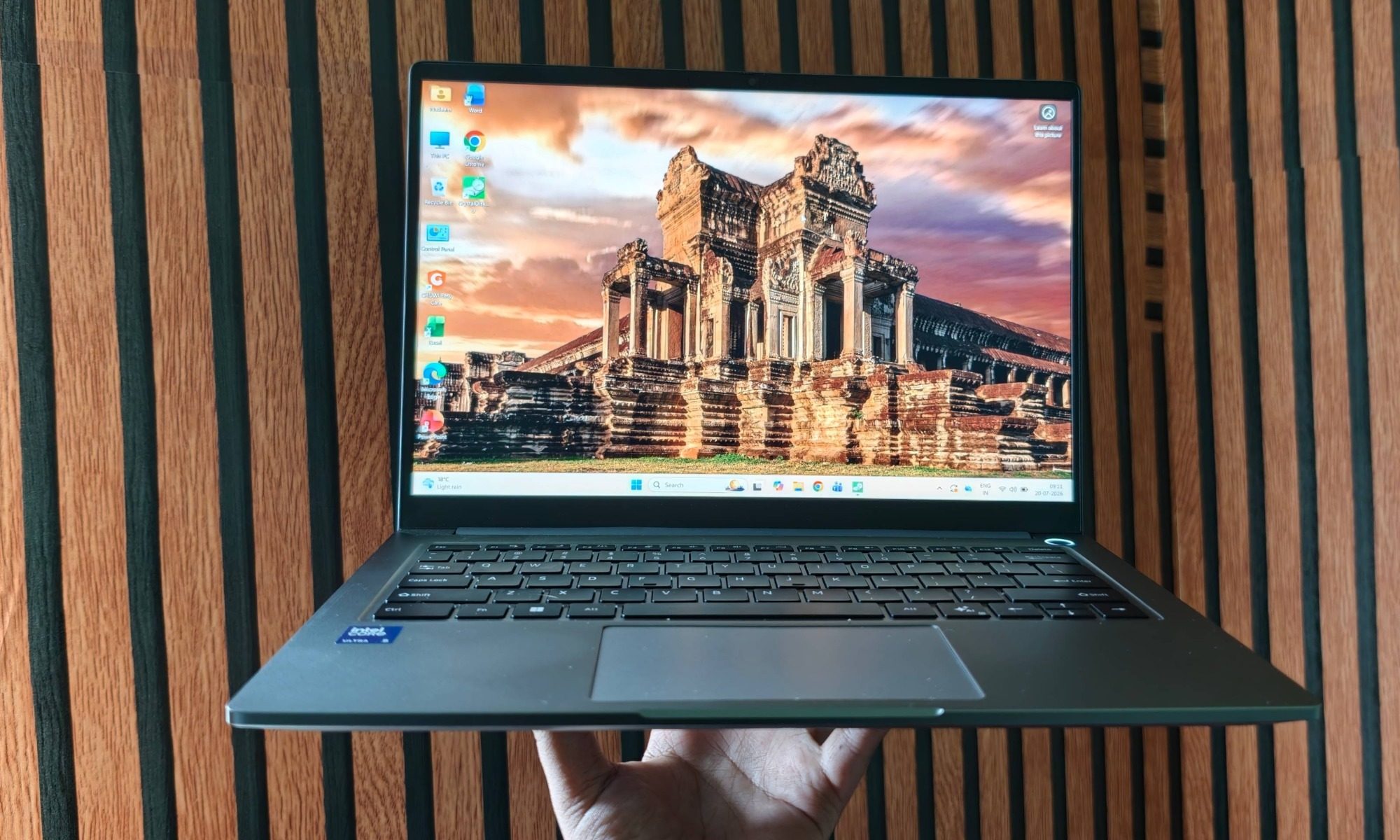
Chuwi CoreBook Air review: A rewarding budget laptop that wants you to cross the brand boundary
Chuwi's CoreBook Air is a relatively unknown, but a heavy-hitting budget machine for the AI-first computing era.
Computer, Electronics, Laptop

View at Chuwi

Quick verdict

Read more
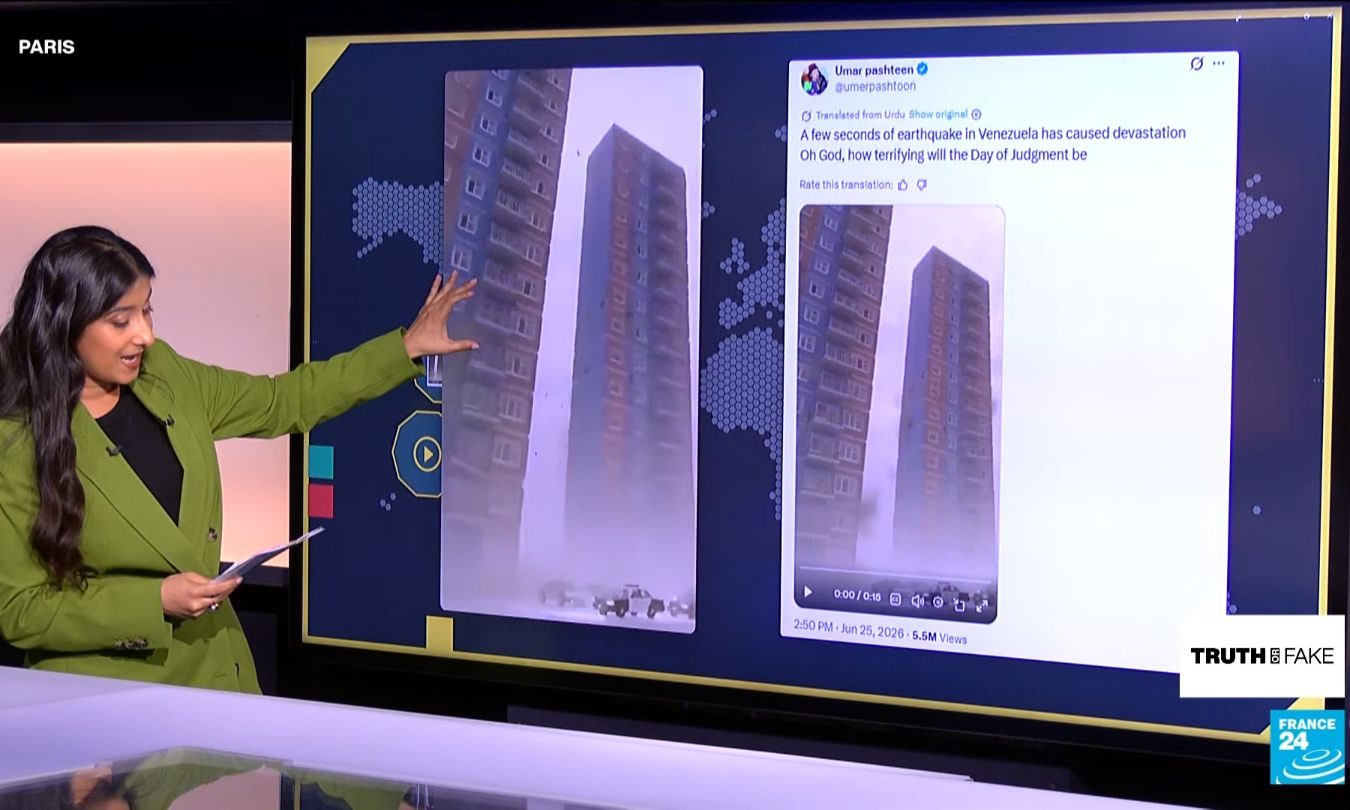
AI’s latest problem is deepfake disaster content for farming engagement
Fake and recycled videos from disasters in Venezuela and China are making social media feeds harder to trust when people need accurate updates quickly
Electronics, Screen, Adult

Social feeds around the earthquakes in Venezuela filled with recycled footage and AI-generated destruction. Severe weather in China attracted its own wave of AI disaster videos, including fabricated flood scenes and false reports of power outages.

It creates an ugly race. People want immediate evidence of what happened, and AI slop can deliver something dramatic before reliable information catches up. Authentic updates are left competing with fiction precisely when confusion can send people scrambling for answers.

Read more
Think twice before downloading your next Windows 11 app from Google
Your Windows app search results have become a malware minefield
Windows 11 Laptop

Searching Google for a Windows utility and clicking the first convincing result has always carried some risk. A newly uncovered network of fake websites has made that familiar habit considerably more dangerous. More than 70 domains were found impersonating popular Windows apps. This includes Microsoft PowerToys, CrystalDiskMark, EasyBCD, Wintoys, Lively Wallpaper, and SignalRGB.

Windows Latest reports that many of the lookalike sites appear above the genuine project pages in Google results, despite having no connection to the developers behind the apps. Some currently redirect their download buttons to legitimate Microsoft Store pages, which may be part of the attack.

Read more