1. Home
  2. Emerging Tech
  3. News

Would you spend a night in a hotel room ‘pod’ floating in the ocean?

Add as a preferred source on Google

For your next hotel stay, how do you fancy the idea of sleeping in a pod that floats, unattached, in the sea? A pod with a glass roof so you can stare dreamily at the starry sky as you bob up and down and gently drop off to sleep? A pod that drifts several miles across a bay as you snooze, arriving at an attraction-filled island at sunrise?

The ambitious plan is set to become a reality before the end of the year, according to the operator of Huis Ten Bosch, a Dutch-inspired theme park near Nagasaki in Japan.

Recommended Videos

Each pod will reportedly have two levels — a lower one for relaxing and dining, and an upper one with a bed from where you can gaze at the night sky.

Aimed squarely at those who enjoy life’s quirkier offerings, your aquatic hotel room will depart from the shore of the Huis Ten Bosch park in the evening. From there you’ll float a distance of about 4 miles (6 km) across the bay to a small island where you’ll be able to spend the following day enjoying a number of yet-to-be-built attractions. A second night in the pod will return you across the water, back to Huis Ten Bosch.

Possible drawbacks include rough crossings when the weather’s bad, though in such cases you’ll likely be offered alternative accommodation on solid ground. And unless there are plans to have speedboats whizzing back and forth across the water, you can forget any ideas about calling room service.

Those behind the ambitious project are yet to reveal how the pods will reliably reach their destination, an important point if they want to reassure guests that they really will be waking up at a spot four miles away, rather than 40.

A night in the pod is expected to cost around 35,000 yen ($315), though you may as well double that as it seems this is a two-nights-minimum deal.

Japan’s Huis Ten Bosch park appears to have a penchant for peculiar hotels. Two years ago it made international headlines with the launch of a hotel staffed entirely by robots. Features include a robot dinosaur to check you in, facial recognition technology for door locks, a tulip-shaped concierge robot for every guest, and sensor panels that detect your body heat and adjust the room’s temperature accordingly.

Trevor Mogg
Contributing Editor
Not so many moons ago, Trevor moved from one tea-loving island nation that drives on the left (Britain) to another (Japan)…
OpenAI just made GPT-5.5 Instant more fun to talk to, and users may actually notice
The company says its most-used ChatGPT model is getting better at advice, decision-making, and everyday conversations.
Man using ChatGPT on a laptop

For years, AI companies have competed by talking about benchmarks, reasoning scores, and coding performance. OpenAI's latest ChatGPT update takes a different approach. Instead of focusing on raw intelligence, the company is making its most popular AI model more enjoyable to talk to.

OpenAI says GPT-5.5 Instant now better understands what users want

Read more
Claude can now join your Slack channels and work alongside your team
Laptop running Claude Fable

For years, AI assistants have been siloed. You open ChatGPT, Claude, Gemini, or Copilot, type a prompt, get an answer, and move on. Anthropic's new Claude Tag feature takes a different approach. Instead of making employees jump into a separate AI chat every time they need help, it brings Claude directly to where many teams already spend their day: Slack.

Add Claude to a channel, grant it access to needed tools, and tag @Claude for help — whether analyzing data, writing reports, reviewing code, or investigating incidents. But Claude Tag isn't just another chatbot integration. Its key differentiator is that Anthropic positions it as a digital coworker for your team, enabling seamless collaboration where multiple users can jointly interact with the same AI within their work environment.

Read more
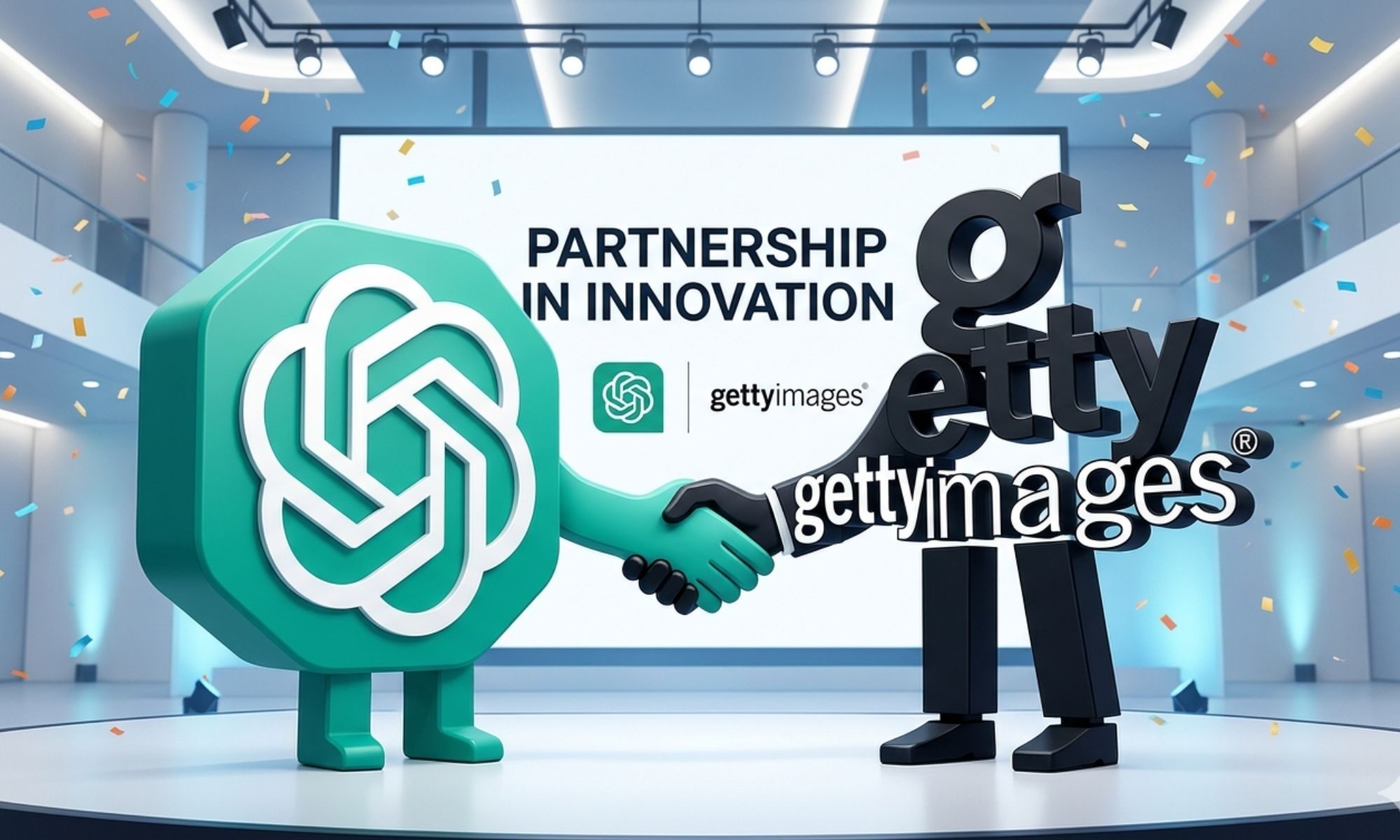
Getty Images accused AI of wholesale theft. It’s now an official ChatGPT image partner.
Advertisement, Shop, Clothing

The AI industry's most fascinating stories often come from unlikely alliances, and this is certainly one of them. Getty Images, a company that has spent years raising concerns about how AI models are trained and how creative work is used, is now officially partnering with OpenAI.

The new agreement will allow Getty Images' licensed content to appear across ChatGPT's search and discovery experiences. That means users may begin seeing Getty's professionally licensed photos and visual assets integrated into ChatGPT responses, adding more visual context to searches and AI-generated answers. Getty says the goal is to make AI-powered search more useful and trustworthy by relying on high-quality, licensed content rather than the murky sourcing practices that have sparked countless debates across the AI industry.

Read more