1. Home
  2. Computing
  3. Emerging Tech
  4. Gaming
  5. News

How the Nintendo Switch Joy-Con can help make art on a Surface Pro

Add as a preferred source on Google

What are the Nintendo Switch Joy-Con motion controllers currently good for, besides playing Zelda and embarrassing yourself in 1-2-Switch? If you ask YouTuber Brad Colbow, the answer is “making art on a Microsoft Surface Pro.”

Colbow used Bluetooth to connect his Joy-Cons to the Surface tablet, plus a key-mapper to tell the buttons what to do, and was able to use the left Joy-Con controller to change brushes, undo actions and more in various illustrating programs.

Recommended Videos

Connecting the Joy-Cons (or even the Switch Pro Controller) to a PC or Mac is easy — follow our guide if you want exact steps, but the gist is you hit the sync button on the controller then simply find it in your computer’s Bluetooth menu. Once he had the left Joy-Con connected, Colbow used programs like JoyToKey (on Windows) and Joystick Mapper (on MacOS) to map the motion controller’s buttons to specific keys and functions. With a stylus in his right hand and the Joy-Con in his left he said he’s able to save time and feel more comfortable as he draws.

Granted this would work with any Bluetooth controller, as Colbow pointed out, including the Xbox One controller and Sony’s DualShock 4. But the main perk of the Joy-Con is that it fits easily in one hand, Colbow said.

“I like buttons, the kind you can touch and feel with your fingers,” he said. “What I like about [the Joy-Con] is how comfortable it is to just hold in your hand and use.”

Eventually the Switch homebrew community will likely come up with ways to use the Joy-Cons as motion controllers with a PC and enable even more robust drawing programs. Tilt Brush on HTC Vive is fantastic, after all, but it would be even better to get a version that uses the Joy-Cons to draw in 3D space instead of an expensive VR headset.

Michael Rougeau
Former Contributor
Mike Rougeau is a journalist and writer who lives in Los Angeles with his girlfriend and two dogs. He specializes in video…
Apple fixes Hide My Email bug that exposed users’ real email addresses
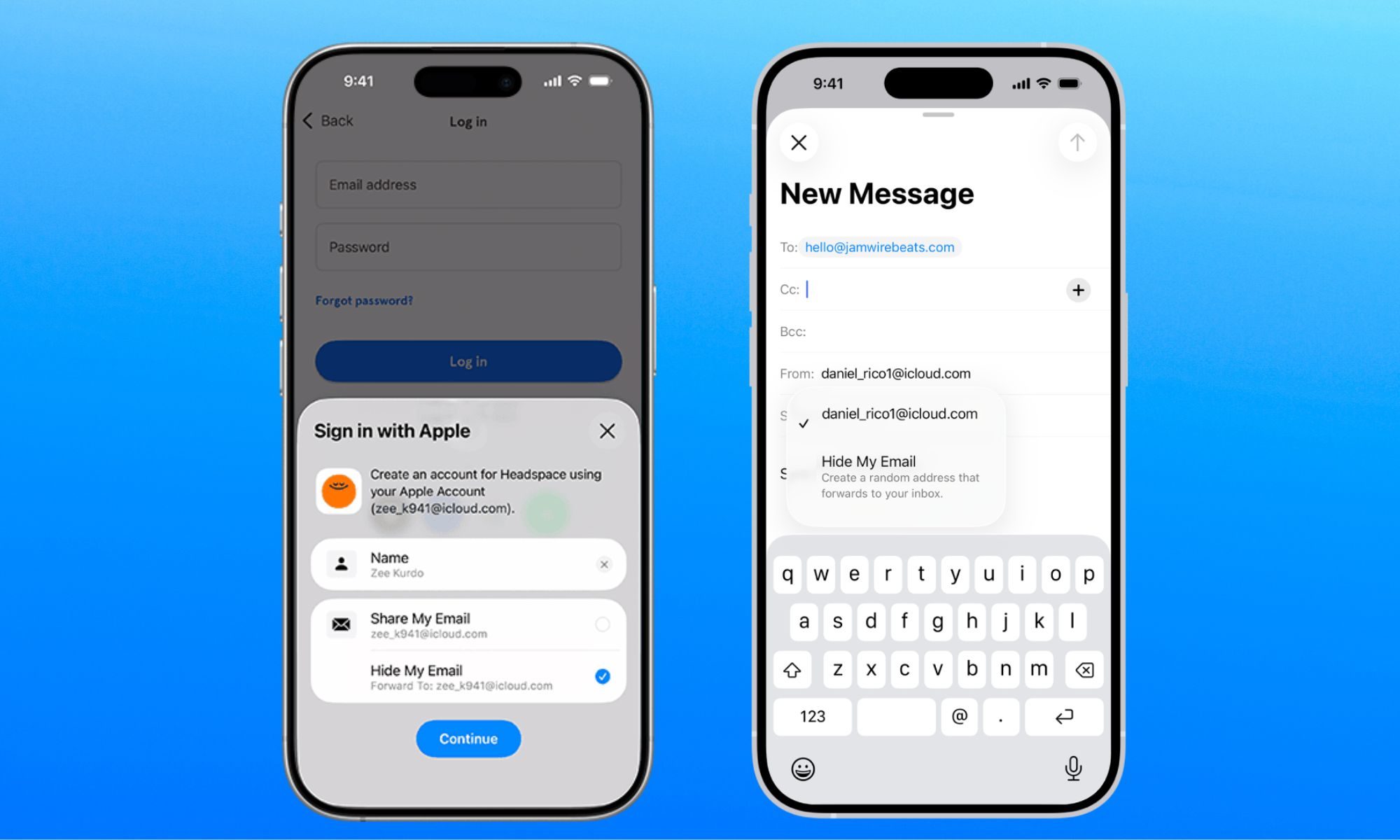
Here's how Apple's Hide My Email flaw leaked real addresses for over a year, and why it only got fixed once the story went public.
apple-merging-sign-in-with-apple-hide-my-email-icloud+

Turns out the "Hide" part of Hide My Email wasn't doing its job quite as advertised, something that I covered early in July. Security researcher Tyler Murphy reported the flaw in June 2025, but despite Apple claiming it was resolved in March 2026, independent tests confirmed it remained exploitable, at least until July 3, 2026.

So how did this bug actually work?

Read more
Gemini Notebook’s new Collections arrive just as Google turns it into a bigger workspace
Google is cleaning up notebook organization as the former NotebookLM expands across Gemini and Search
Gemini Notebook branding on a MacBook

Google has barely finished renaming NotebookLM, and it’s already addressing one of the headaches that comes with building a large research library.

Collections are rolling out to all Gemini Notebook users, giving them a way to group related notebooks while keeping everything visible under My Notebooks. The dashboard gets some structure without asking users to rearrange the library they’ve already built.

Read more
Samsung’s humanoid robot ambitions are real, but factories come first
Samsung’s new robotics division has humanoids in its sights, although its immediate business is far more practical factory automation
Robot Touch Human Finger

Samsung wants a place in the humanoid race, but its new robotics push begins with machines built for factories rather than homes.

The CEO-led RX robotics division will initially focus on manufacturing robots. Samsung has separately identified humanoids as a priority, although it hasn’t announced a commercial model or explained where one fits into the division’s immediate plans.

Read more