  1. Home
  2. Emerging Tech
  3. Outdoors
  4. News

Kickstarter arm-mounted jet drive will propel snorkelers through the water

Add as a preferred source on Google

We can just see “Q” saying, “Now pay attention, 007!” to Mr. Bond while showing off this new device.

Resembling something straight out of a Sean Connery-era James Bond movie, Scubalec is an exciting new Kickstarter crowdfunding project for a handheld, arm-mounted personal jet drive, designed to propel intrepid users through the water.

Recommended Videos

“People go snorkeling because it’s a great way to explore the underwater world,” creator Un-Yong Park told Digital Trends. “For those people who love snorkeling, we’ve created a handy device to bring even more fun to the underwater experience. Simply put Scubalec on your arm, and it pulls you just in the direction you point, easy and simple.”

The Scubalec comprises two small jet drives combined with a 7.500 mA/h lithium-ion battery that, fully charged, will provide a running time of 10-12 minutes’ worth of continuous propulsion. Park describes the experience of using it as being “like a cyclist with a tailwind on their back.”
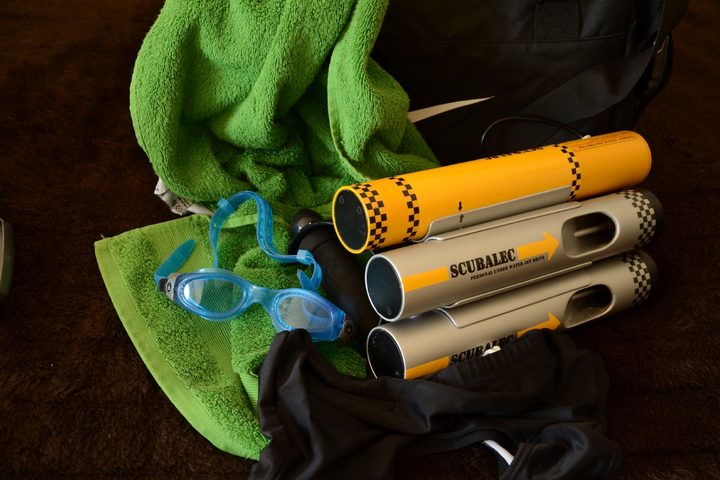
Image used with permission by copyright holder

To give it a suitably retro appearance (did we mention this looks like something out of an old spy movie?), Park took his design inspiration from the iconic P-51 Mustang, a single seat fighter aircraft used in World War II, and active from the 1940s through the 60s. The result is undeniably neat, and sure to be an attention-grabber on your next family vacation.

Currently the Scubalec project has raised around one third of its 10,000-euro ($10,700) target, with 28 days still to go. A pledge of $297 will secure you a Scubalec and wall charger, with postage included. Shipping is set for this June.

A more expensive option with an extra battery is also available. You know, in case whichever megalomaniacal evil villain’s island volcano base you’re headed toward happens to be more than 10-12 minutes’ swim away.

Just remember to wear your freshly ironed white dinner jacket and ruffled shirt under your wetsuit, so you’re good to go the moment that you arrive on dry land.

Luke Dormehl
I'm a UK-based tech writer covering Cool Tech at Digital Trends. I've also written for Fast Company, Wired, the Guardian…
Microsoft wants AI to catch hackers before they even attack
Red team, blue team, green team: Microsoft just gave its AI a full security squad.
Microsoft Project Perception

With AI now capable of writing exploits and running attacks at machine speed, the security tools built for a slower, human-paced world are starting to show their age. Microsoft thinks it has the answer, and it's calling it Project Perception.

So what exactly is Project Perception?

Read more
Nike’s new slide is basically a spa day for your feet
Nike and Hyperice built a slide that literally heats up and vibrates your feet back to life.
nike-air-zoom-hyperslide

Nike just teamed up with Hyperice again, and this time they've built something that feels more like a wellness gadget than a shoe. Meet the Nike Air Zoom Hyperslide, a slide that not only cushions your feet but also heats and vibrates them back to life. It's made less for lounging by the pool and more for helping you recover after training, travel, or just a long day spent standing around.

What is the Nike Hyperslide?

Read more
That Claude chat you shared? Google may have seen it too
Public chat links were indexed by Google, potentially exposing sensitive information shared with the AI.
Claude AI on an iPhone.

If you've ever shared a Claude conversation using a public link, it might be worth checking your privacy settings. Over the weekend, users discovered that publicly shared Claude chats and Artifacts were appearing in Google Search and other search engines through queries such as site:claude.ai/share. The indexed pages reportedly included everything from resumes and business documents to API keys, health information, and other sensitive conversations that users likely never expected to become searchable.

How did this happen?

Read more