1. Home
  2. Phones
  3. Android
  4. Mobile
  5. Web
  6. News

Google expands family sharing to Calendars, Photos, YouTube TV, more

Add as a preferred source on Google

Over the past several years, Google has made sharing apps and content with your family quite easy — and now it’s doing the same for Calendars, Photos, note-taking app Keep, and YouTube TV. The company announced a suite of family-focused features relating to some of its most popular apps on Tuesday, May 23.

First, Calendar. Creating a Family Group with a Google account now builds a separate calendar that any user who is part of that group can see and contribute to. Those outside your family cannot be added to that calendar, though you can still invite them to events.

Recommended Videos

As for Photos, a new Family Group item within the sharing menu will save you the trouble of having to individually select family members anytime you want to send images.

YouTube TV can now be linked to family accounts as well, for no additional cost. Up to five members can access YouTube TV and receive their own profiles, allowing them to keep their viewing history private from the rest of the group — however, only three can watch simultaneously. Even Cloud DVR content is kept sandboxed from other accounts.

Finally, Keep users will benefit from shared lists, reminders, and notes with other family members. Users outside the family can still be added to these notes — a home icon will designate which have been shared among the group.

It’s encouraging to see Google roll out family-sharing features beyond just apps. Coordinating events and keeping everyone up to date is one of the most frustrating tasks for any family, and Calendar and Keep integration should go a long way toward making that more convenient. Likewise, YouTube TV was built with sharing in mind, so extending it to family groups is a natural move.

According to Google, these features have started rolling out now in countries where Family Groups are already live: Australia, Brazil, Canada, France, Germany, Ireland, Italy, Japan, Mexico, New Zealand, Russia, Spain, the United Kingdom, and the United States. To learn how to start a group yourself, check out our handy guide.

Adam Ismail
Former Contributor
Adam’s obsession with tech began at a young age, with a Sega Dreamcast – and he’s been hooked ever since. Previously…
Geekbench now lets you check how a phone will actually handle your boring daily chores
New tests, smarter scores, and finally some love for NVIDIA GPUs.
Geekbench 7 open on iPhone

Geekbench, the popular cross-platform benchmark from Primate Labs, just got a major update. Geekbench 7 is out today, and you can download it on Android, iOS, Windows, macOS, and Linux. If you like to know exactly how your CPU and GPU stack up, this update brings a bunch of changes worth knowing about.

What's new in the CPU tests?

Read more
Latest Pixel 11 series leak offers the clearest look yet at Google’s next flagship
Google's next Pixel has leaked again, but this time almost nothing is left to imagine
Pixel 11

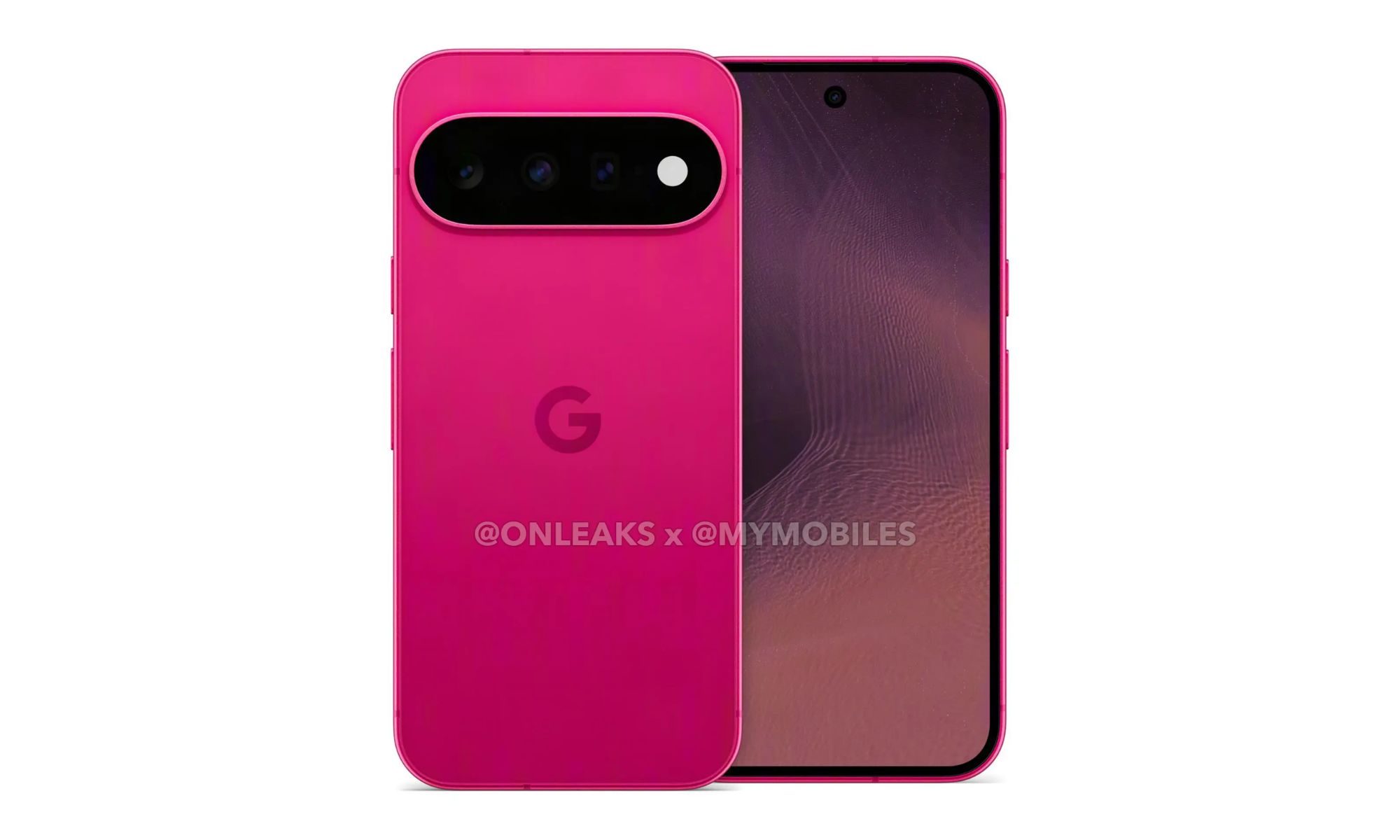
Google's Pixel launches have become increasingly difficult to keep under wraps, and the Pixel 11 series appears to be no exception. Weeks before Google's scheduled August 12 launch event, a fresh leak has revealed what is claimed to be the complete set of official press renders for the Pixel 11, Pixel 11 Pro and Pixel 11 Pro XL, showcasing every colour option across the lineup.

The renders, published by MyMobiles in collaboration with tipster OnLeaks, offer what is arguably the most comprehensive look yet at Google's next flagship family. If authentic, they not only confirm earlier design leaks but also reveal Google's colour strategy for 2026, including a vibrant Fuchsia finish for the standard model and a new copper-inspired "Dune" variant for the Pro series.

Read more
Galaxy Z Flip 8 vs. Motorola Razr Ultra (2026): Samsung’s flip phone is cheaper, but is it better?
One flip phone wins on value. The other wins on hardware.
Electronics, Phone, Mobile Phone

Flip phones have quietly become one of the most competitive corners of the smartphone market. It provides buyers with a satisfying folding snap, reducing the footprint to half the original size, and that’s the entire point. Motorola never really left the format after reviving the Razr name, while Samsung has spent generations treating the Flip line as its scrappy, budget-friendlier sibling to the Fold. 

This year, though, the gap between the two camps has narrowed to the point where picking a winner requires genuinely reading the spec sheet and learning about the phones before putting your money into one. One phone leans hard into raw display firepower, while the other leans into a deeper software ecosystem and a friendlier price tag. 

Read more