1. Home
  2. Computing
  3. Web
  4. News

Digital Trends may earn a commission when you buy through links on our site. Why trust us?

The Google Chrome ad blocker is ready to try, if you’re brave enough

Google debuts ad-blocking technology in latest Chrome canary release

Add as a preferred source on Google

If you’re tired of auto-playing video ads that randomly blare obnoxious ad slogans and make it obvious you’re not working when you should be, then Google is taking some serious steps to make things a little less frustrating and also less misleading. Its first and most important step is changing how its Chrome browser manages ads, building on some recent changes and taking things to another level by enhancing the built-in Chrome ad blocker.

While some people don’t want to see any ads at all, many users just want advertising to be manageable, and to no longer detract so badly from the browsing experience. That’s where Google’s efforts to make advertising less intrusive come in. Google Chrome already blocks ads that try to pop-up in new tabs along with Flash-based ads, and in 2018 Chrome will start blocking ads on sites that don’t comply with new guidelines developed by the Coalition for Better Ads.

Recommended Videos

In fact, as MSPU has discovered, Google is already testing the ad-blocking technology in its latest Chrome Canary release for both desktop and Android. The feature can be turned on by accessing Chrome settings at chrome://settings/content/ads. In addition to automatically blocking non-conforming ads, the Chrome ad blocker also allows users to manually block and allow ads for specific sites.

Some of the things that Google is working to block — or to get rid of in general — are ads that interrupt the reading process and disrupt the flow of information, ads that distract by flashing animations and playing disruptive noises, and ads that clutter up a page and make it impossible to read. Google has given a hint of what Chrome is likely to start blocking in its best practices guide, which it created to help guide web developers and publishers in how to make ads that don’t drive users away. To make things perfectly clear to developers exactly what kinds of ads to avoid, Google is creating the Ad Experience Report, which will help publishers get a handle on the Better Ads Standards and learn how to apply them to their own sites.

In addition, Google is working on a new service, called Funding Choices, that publishers can use to display a customized message to site visitors who are running ad blocker software. The message invites users to enable ads on that particular site — presuming that the standards are being followed — and offer up a paid pass that can remove those sites. The new Google Contributor is the mechanism that sites can use to charge this fee.

Fixing the ad situation is important for users, publishers, and advertisers alike. Third-party ad blockers have been around for some time, but now Google itself is getting in on the action.

Updated: Added notice that Google has implemented the ad-blocking technology in the latest Chrome Canary release.

Mark Coppock
Former Computing Writer
Mark Coppock is a Freelance Writer at Digital Trends covering primarily laptop and other computing technologies. He has…
Microsoft wants Windows 11 and your phone to become best friends
Microsoft's latest plans reportedly focus on making the PC and smartphone experience feel seamless.
Windows 11 PC with Android Phone

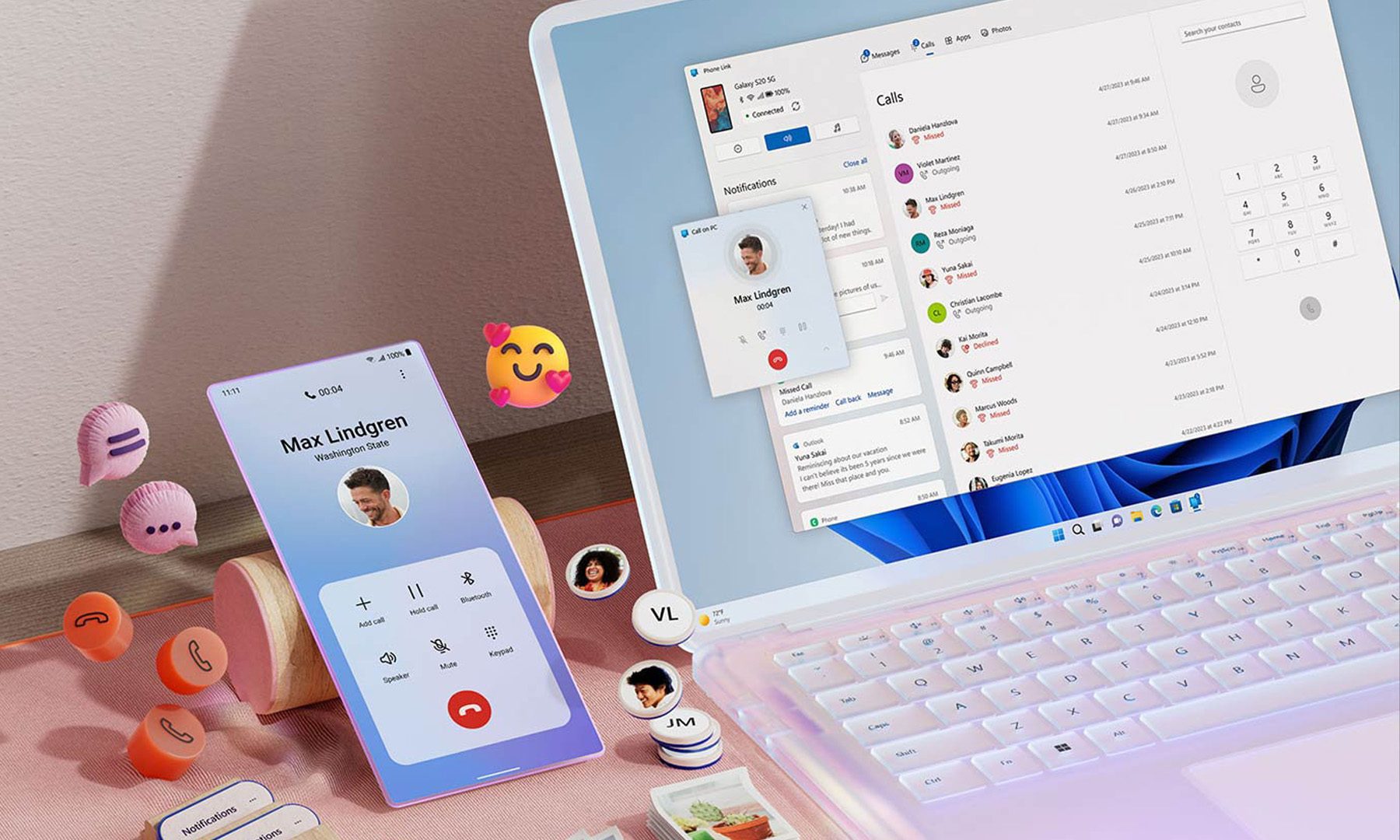
For years, Phone Link has felt like that one app everyone knows exists but rarely remembers to open. Microsoft apparently wants to change that. According to a report from Windows Central, the company is working on a major overhaul of how smartphones integrate with Windows 11, making phones feel like a native part of the operating system instead of something users access through a separate app.

Phone Link is coming out of hiding

Read more
What are Copilot+ PCs? Everything you need to know
Copilot

Walk through a laptop aisle in 2026 and the Copilot+ PC branding is highlight for most Windows laptops. From Microsoft's own surface to other PC makers like Samsung, HP, and Dell, you can find notebooks that carry this badge to convey that they are AI-ready. At a glance, the name sounds like it refers to a computer with a better version of the Copilot chatbot, which only explains a small part of it.

A Copilot+ PC is a Windows 11 computer that meets Microsoft’s hardware standard for advanced on-device AI features like a compatible processor with a dedicated NPU. You also need a certain amount of RAM and storage, all of which brings access to Windows features such as Recall, Click to Do, and much more. Many of these experiences use the NPU to process information locally, reducing their reliance on cloud servers and helping them run more efficiently in the background.

Read more
ASUS expands its ProArt lineup with a compact keyboard and a smart creator mouse
The new ProArt KD300 and MD301 are designed to make life easier for designers, editors, and creators.
ASUS ProArt Keyboard KD300 and ProArt Mouse MD301

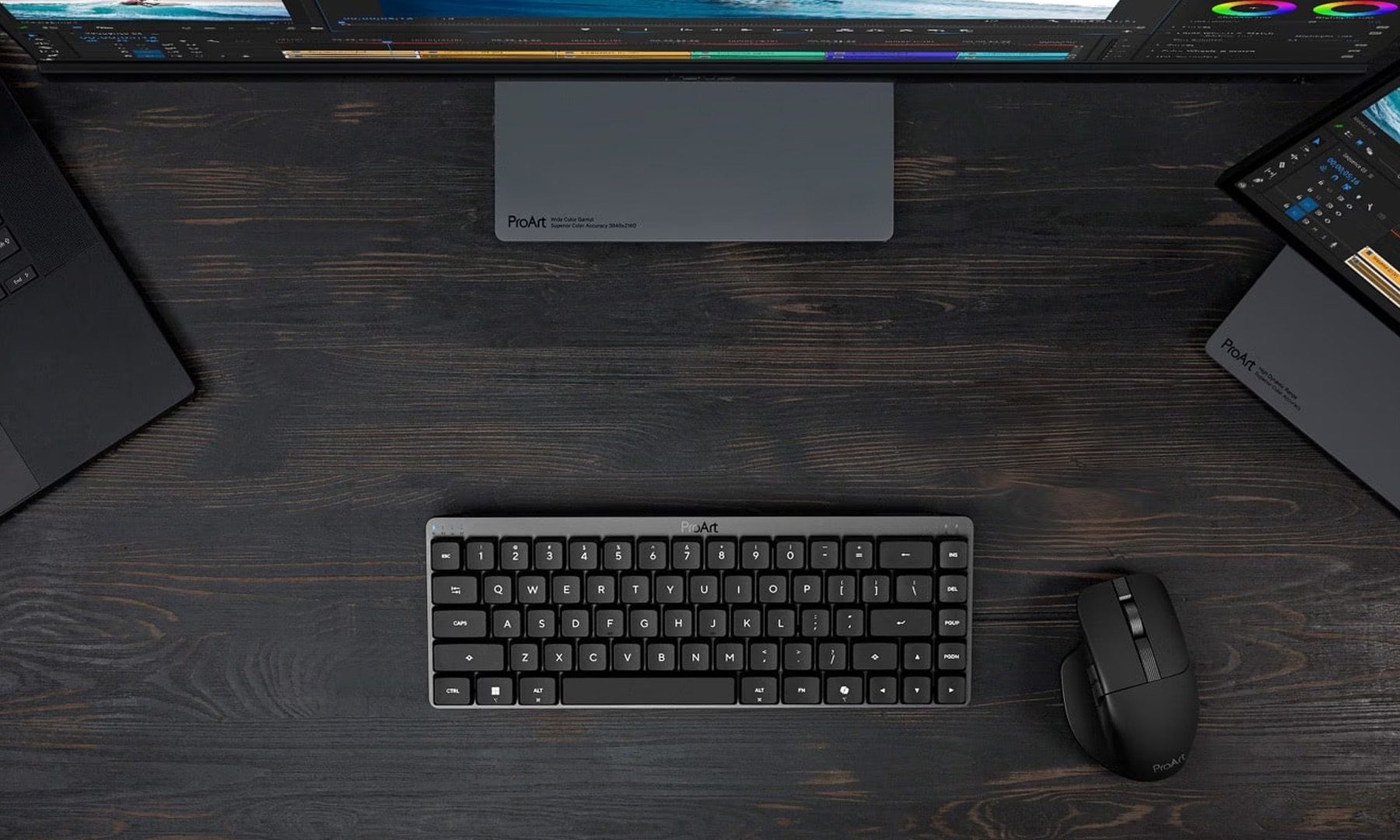
Creators have long had plenty of powerful laptops and monitors to choose from. Keyboards and mice? Not so much. ASUS is looking to change that with the expansion of its ProArt accessory lineup. Leading the announcement is the new ProArt Keyboard KD300, a compact low-profile keyboard that's designed to work alongside the ProArt Mouse MD301, giving creators a matching desktop setup built specifically for productivity instead of gaming.

A compact keyboard that doesn't sacrifice functionality

Read more